
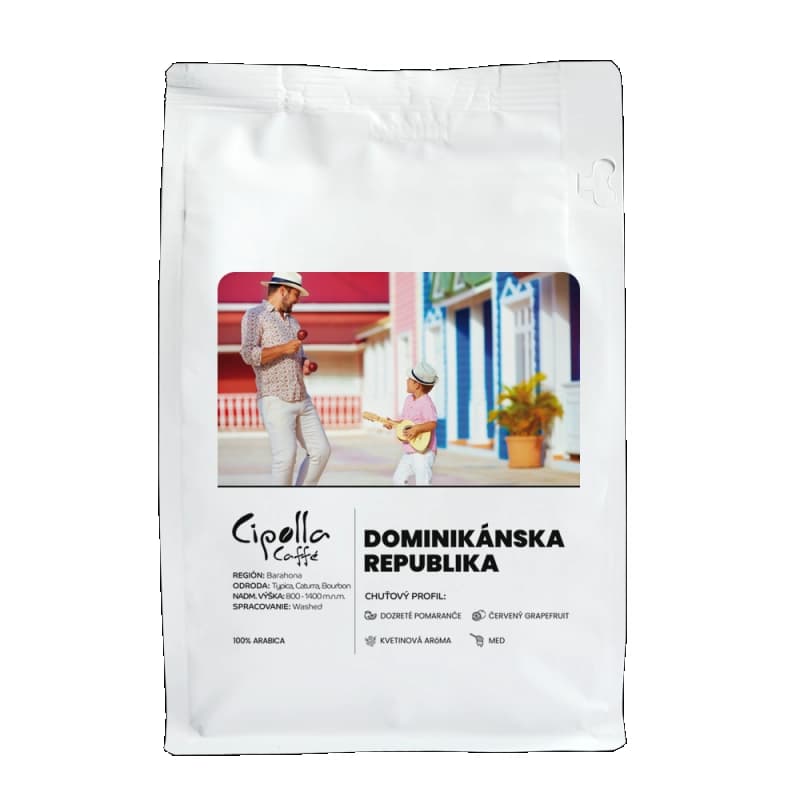
Dominican Republic
A fruity coffee with notes of ripe orange, red grapefruit, and floral aromas.
Ripe orangesFloral aromaHoney
In stockSize: 250 g
9,90 €8,32 € excl. VAT
Whole bean · Single origin
Whole bean (unground) — freshness stays in the bean. Or we’ll grind it for your brew method (+1 €).
✓ In stock — ready to ship
✓ Free in-store pickup in Banská Bystrica
✓ We ship via Packeta and GLS within 48 hours
✓ Free shipping across Slovakia on orders over 49,00 €
Kiwi, mango and tropical fruit with a milk chocolate finish. A juicy coffee from El Salvador for filter or espresso.
The first sip is juicy like ripe fruit. Kiwi and mango mix with other tropical fruit notes, and milk chocolate arrives at the end to round off the cup. The coffee is not flavoured. Everything you taste comes from the bean itself.
It is grown by farmer Carlos Pola at Finca San Antonio in the volcanic Apaneca-Ilamatepec range in western El Salvador, at 1,350 m above sea level. The ripe coffee cherries first ferment without air and are then dried whole, pulp and all. This method is called anaerobic natural, and it is where all that fruit comes from.
Reach for it if you like to explore. As filter from a V60 dripper or AeroPress, we find the kiwi and mango shine, while espresso brings out more of the milk chocolate. Try your first cup without sugar or milk to give the fruit room.
Straight from the bag label — the flavors and origin of this coffee.
 Kiwi
 Tropical fruit
 Mango
 Milk chocolate


Follow the bean from the farm all the way to your cup.
Finca San Antonio lies in the volcanic Apaneca-Ilamatepec mountain range of western El Salvador, in the municipality of Juayúa, Sonsonate department, at 1,350 m above sea level. It is farmed by Carlos Pola, who comes from a family of coffee growers. H2 is a so-called farm hybrid: the farm uses the name for varieties that resist leaf rust and marks each one with a number. According to the importer, it is a Catimor-type variety, a cross between Caturra and Timor Hybrid.
This coffee comes from Finca San Antonio, farmed by Carlos Pola in the Apaneca-Ilamatepec mountain range of western El Salvador. It is a volcanic range that includes the Santa Ana (Ilamatepec), Izalco and Cerro Verde volcanoes. The ripe cherries first ferment in a sealed environment with no access to air and only then are dried whole, which gives a fruity, expressive profile. After fermentation they dry on raised beds. El Salvador harvests coffee roughly from October to March.
Grind size determines how quickly water passes through the coffee and how much flavor it pulls out. Grind too fine and the coffee turns bitter (over-extracted); too coarse and the cup ends up watery and sour (under-extracted) — the right grind size is the foundation of a balanced flavor.
A fine grind with a texture somewhere between fine sand and flour. The dense puck of ground coffee resists the water, so under 9 bars of pressure a concentrated, rich flavor with crema is pulled in just a few seconds.
A fine grind and ~9 bars of pressure — a concentrated, rich flavor with thick crema in 25–30 seconds. A bean-to-cup machine doses itself.
Browse coffee machinesA touch coarser than espresso, roughly like fine crystal salt. The lower steam pressure in a moka pot calls for a slightly more permeable grind — otherwise the coffee would overheat and turn bitter.
About 15–17 g for a 3-cup pot — fill the basket loosely to the rim (don't tamp), water up to the valve
Bialetti moka potA medium grind like table salt or sand. The water flows through by gravity alone, so it needs enough time and flow — this method really lets the clean, aromatic flavor of single origin coffees shine.
15 g of coffee per 250 ml of water (1 cup, 1:16 ratio), water at 92–96 °C
Hario V60A coarse grind like sea salt or breadcrumbs. The coffee steeps directly in the water for a long time, so the coarser particles keep it from over-steeping and the metal mesh holds them back when you press, leaving your cup clean.
30 g of coffee per 500 ml of water (2 cups) — steep for 4 minutes, then press the plunger down slowly
French pressA versatile method — for a short steep, reach for a medium to medium-fine grind. Hand pressure and a paper filter give you a clean cup with no sediment, and it handles a wide range of recipes.
15 g of coffee per 220 ml of water (1 cup) — steep for about 1–1.5 minutes and press for 30 seconds
AeroPressThe coarsest grind of all, like cracked peppercorns. Cold water extracts slowly over many hours, so the coarse particles keep the brew from turning bitter and give you a smooth, naturally sweet drink with low acidity.
80 g of coffee per 1 liter of cold water (made in a batch) — steep for 12–18 hours in the fridge, then strain
Cold BrewerWhole bean coffee holds on to its aroma and flavor far longer than ground coffee, because grinding dramatically increases the surface area exposed to air and the volatile compounds start escaping within minutes — that's why we grind just before brewing.
A fruity coffee with notes of ripe orange, red grapefruit, and floral aromas.
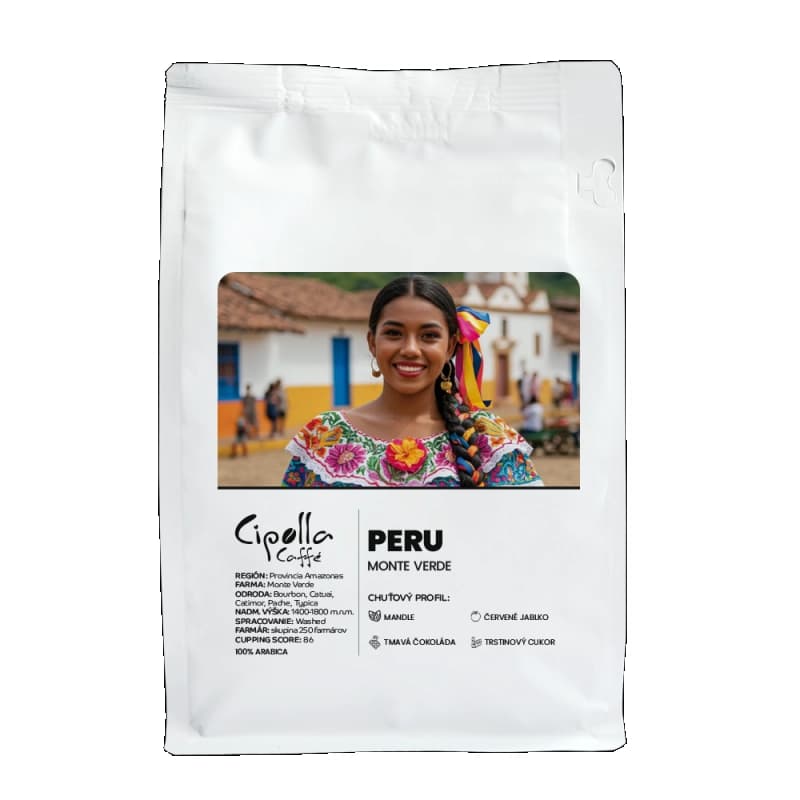
A coffee with notes of almonds, red apple, dark chocolate, and cane sugar.
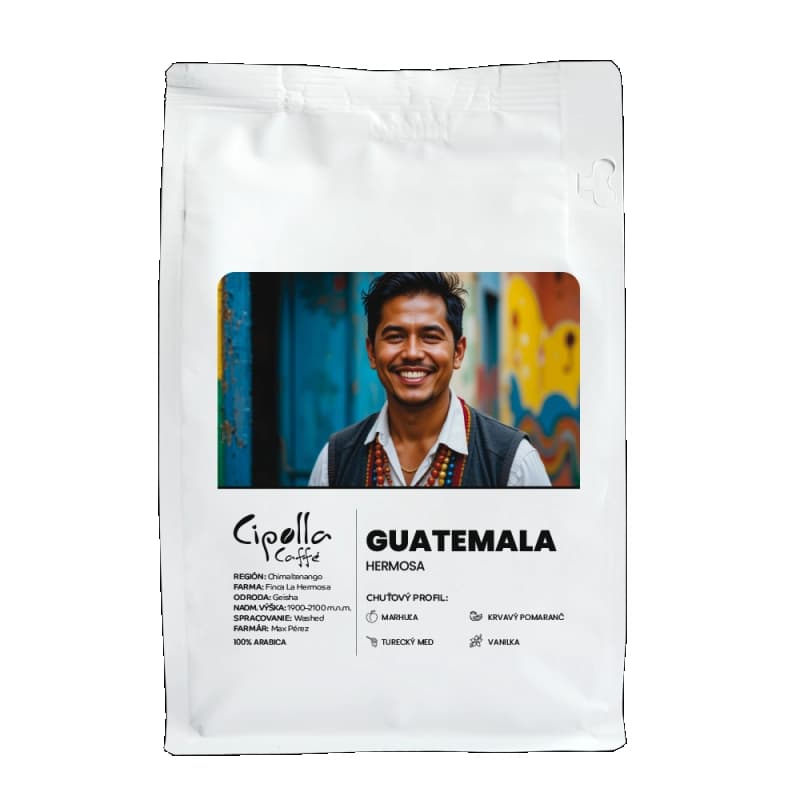
A Guatemalan coffee with notes of apricot, blood orange, and a delicate floral finish.
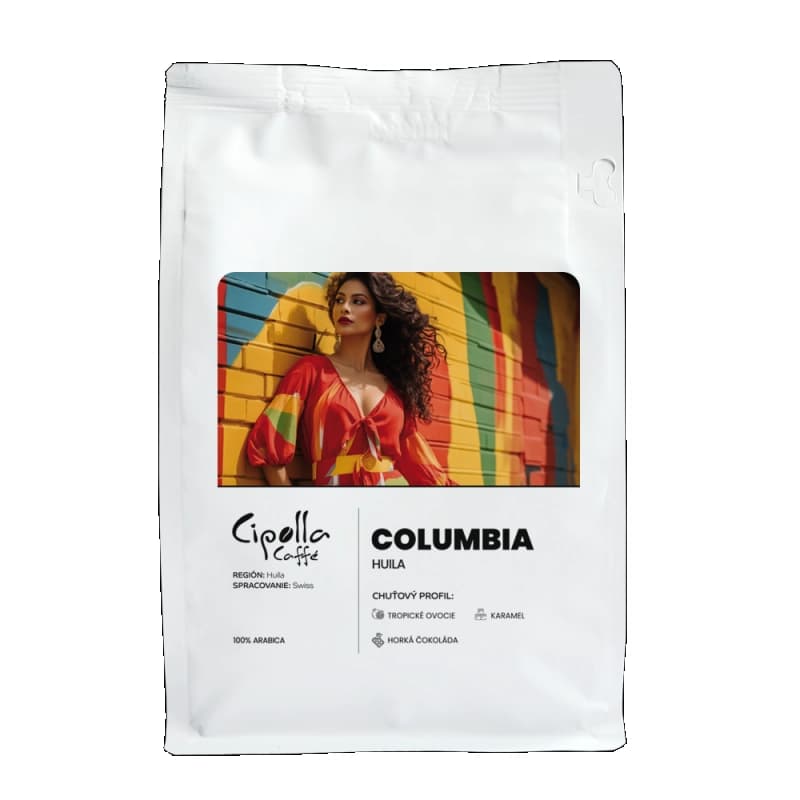
A decaf coffee with a clean profile and pleasant sweetness.