
Coffee Atlas — where your cup comes from
Every specialty coffee we’ve roasted in Banská Bystrica since 2011 has its own country, region, and often a specific farm. Here’s the whole map — from Brazilian plantations to the mountain gardens of Ethiopia. Pick a country and discover what gives its coffee its flavor.
Where our coffee grows
Coffee grows almost exclusively between the tropics — in a belt around the equator with plenty of sun, rain, and mountain altitudes. Click a dot on the map to open the country along with our coffees.
Choose your coffee by taste
You don’t need to know varieties or regions — just how you want your cup to taste. Pick a flavor direction and the compass will show you the atlas coffees whose notes belong to it.
Fuller, sweet cups with notes of chocolate and cocoa. 8 coffees in the atlas.
Choose a country
Each country has its own page — the regions and farms we source from, the flavor profiles of the coffees, and brewing tips.
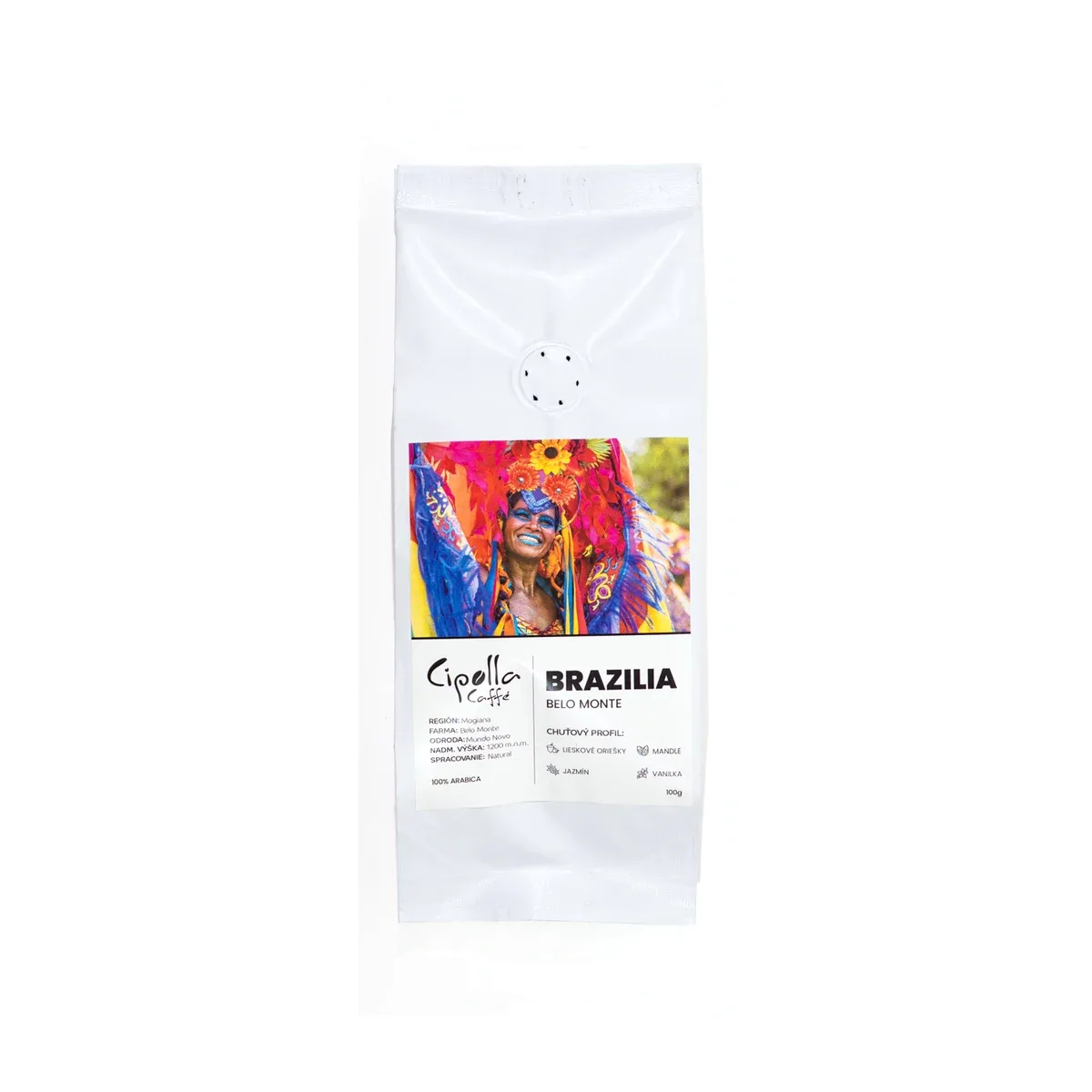
South AmericaBrazil
1 coffee · Mogiana
 South America
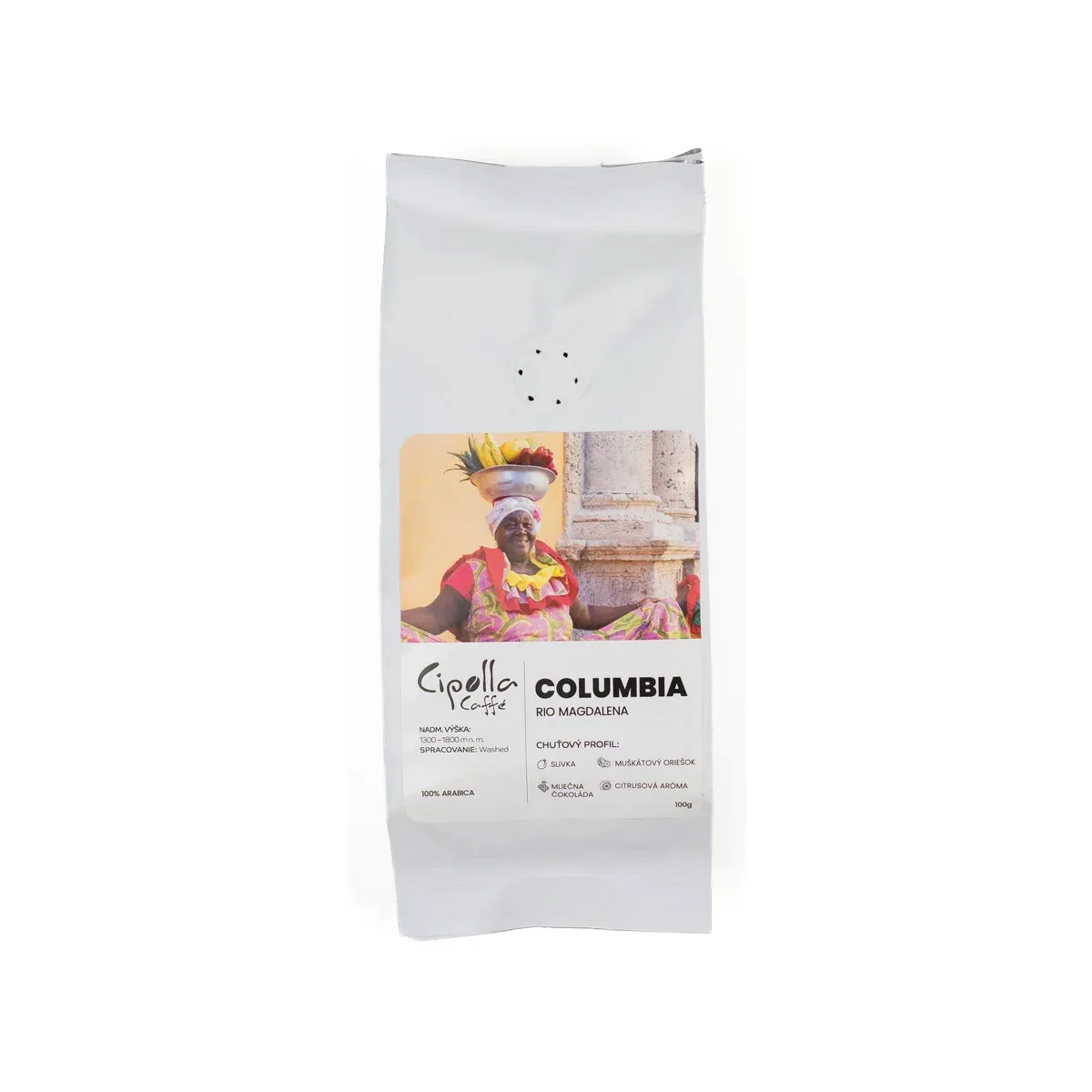
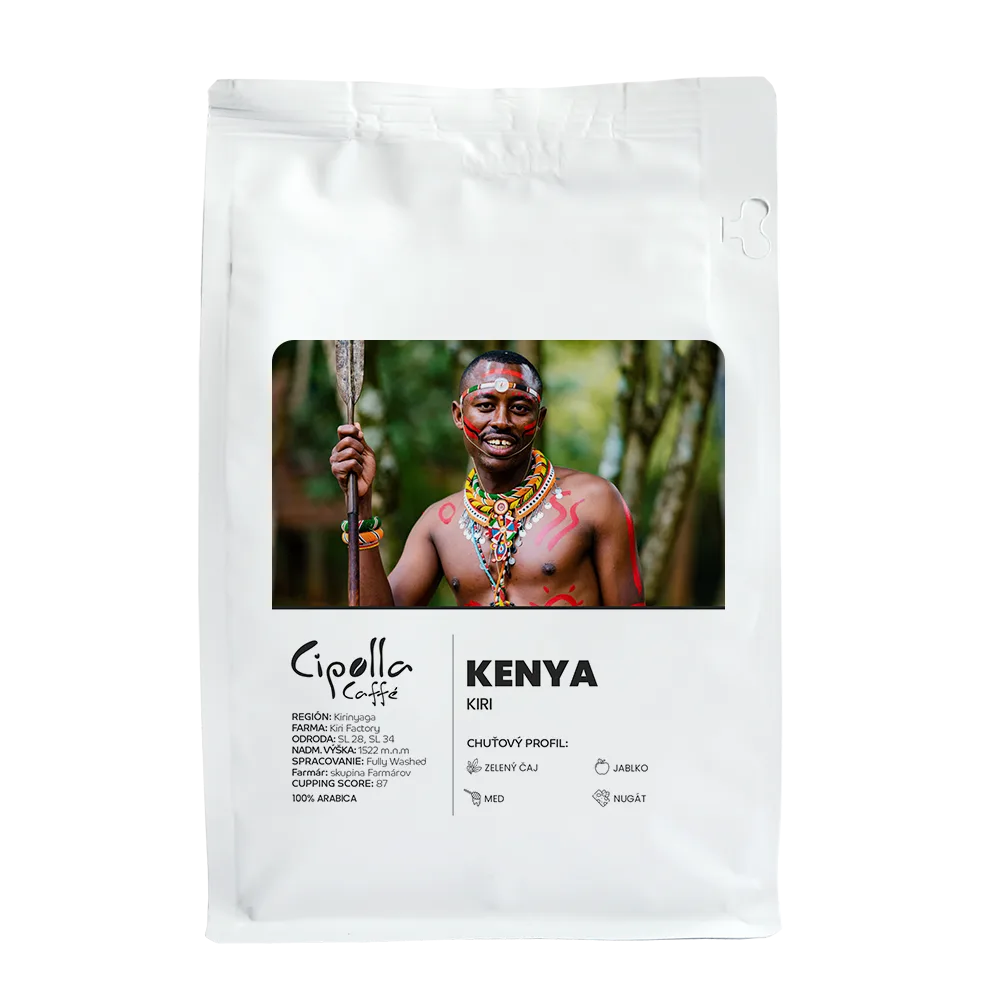
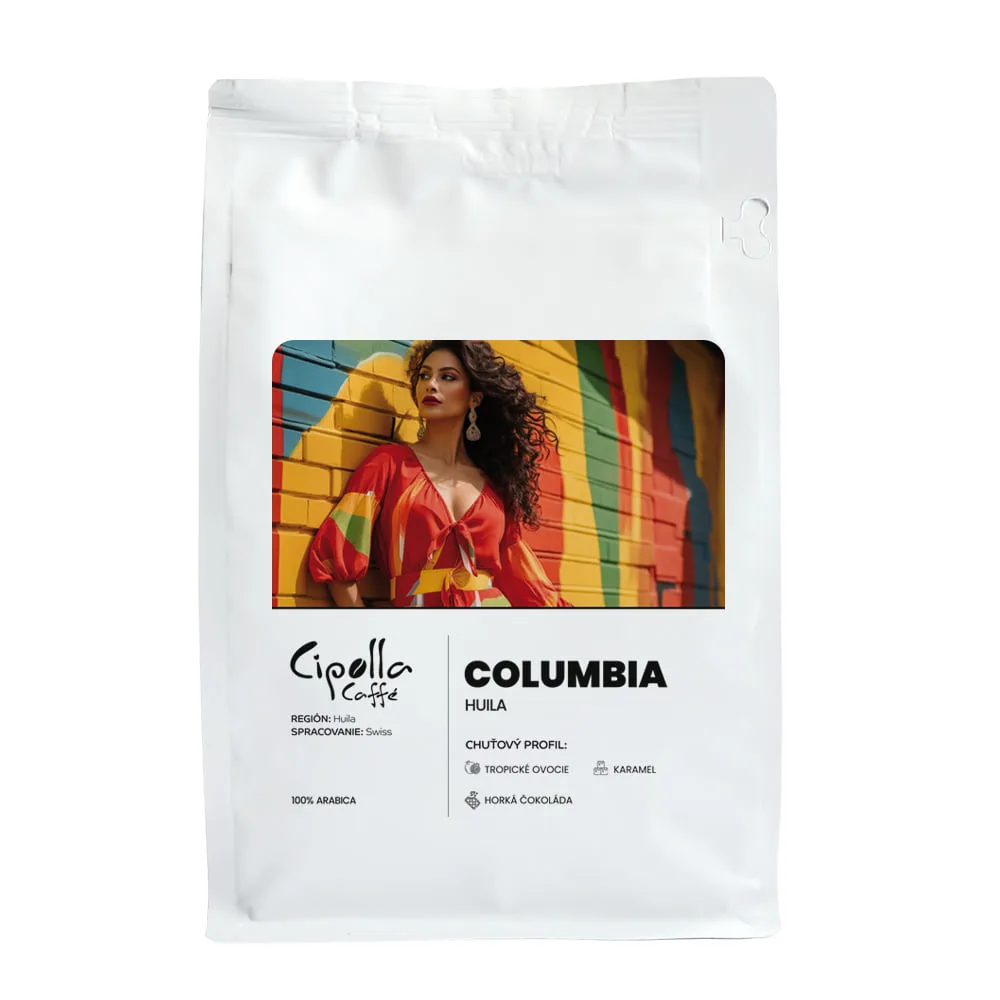
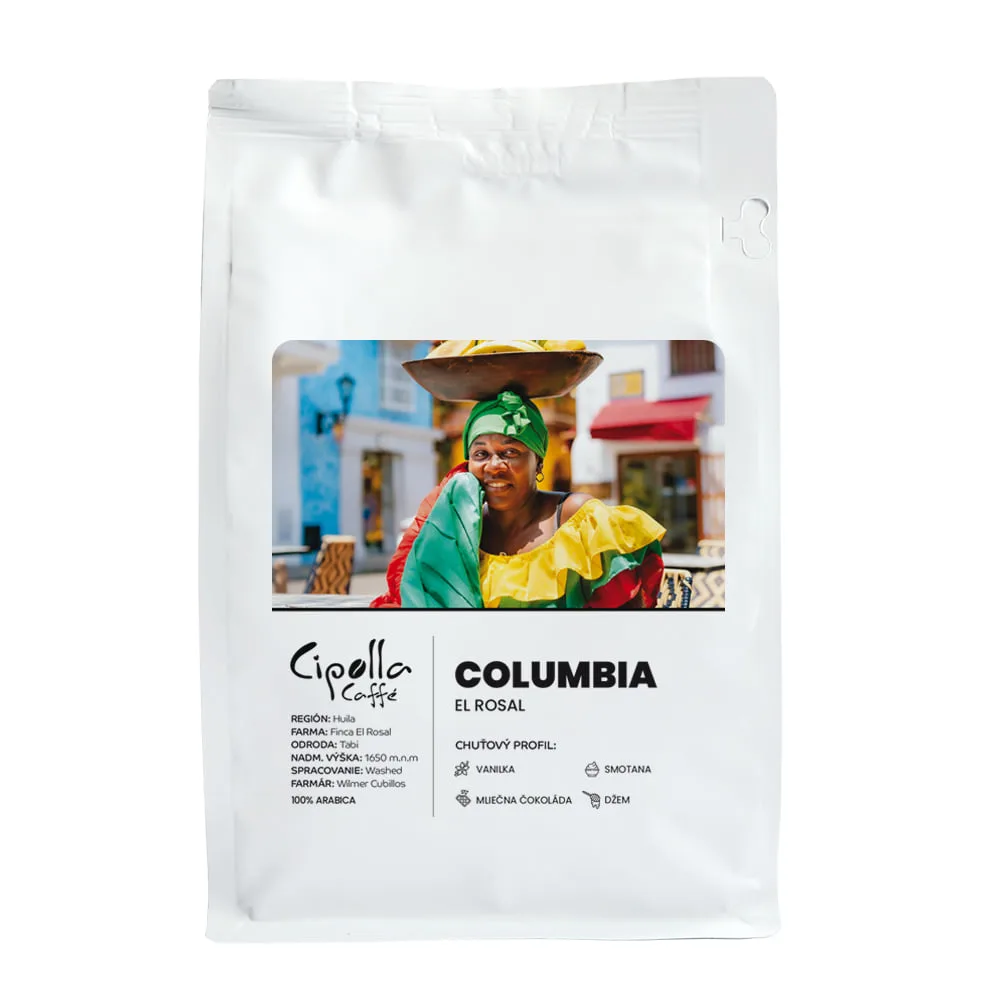
Colombia
5 coffees · Huila, Antiquia
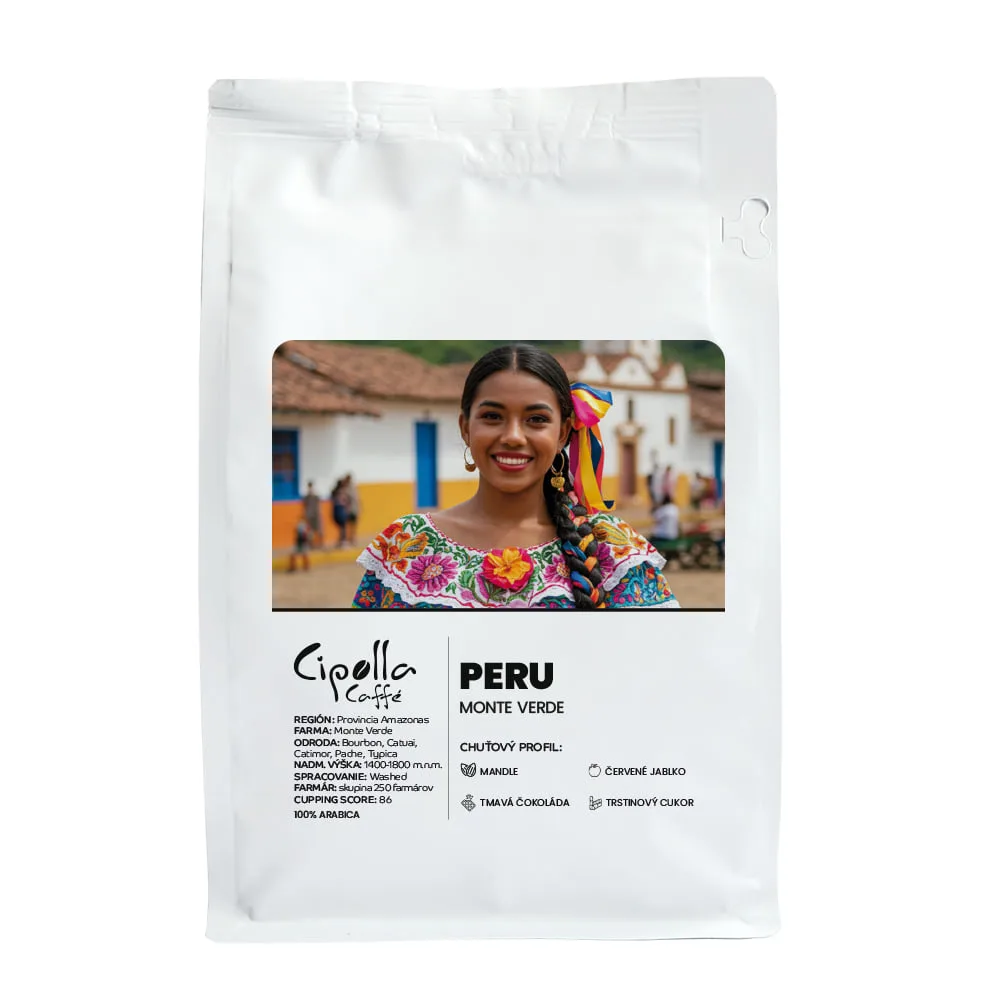 South America
Peru
1 coffee · Provincia Amazonas
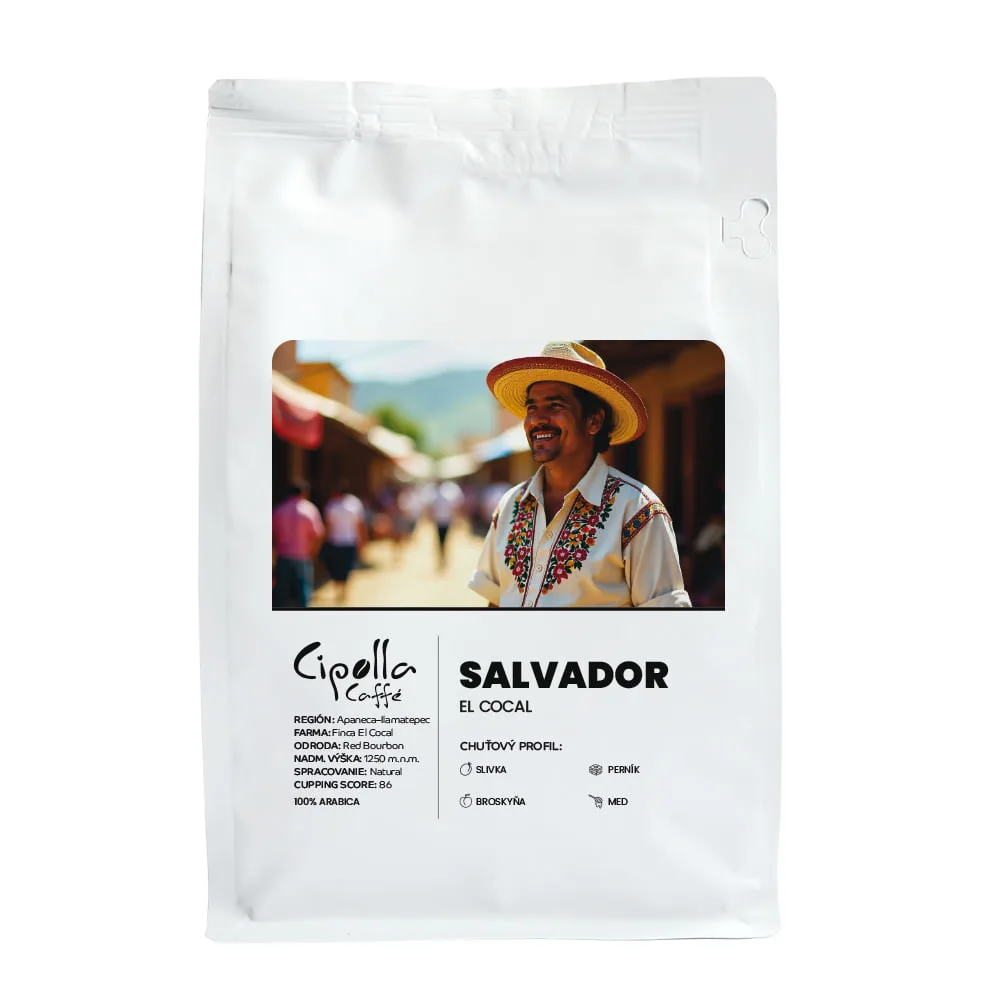 Central America
El Salvador
1 coffee · Apaneca Ilamatepec
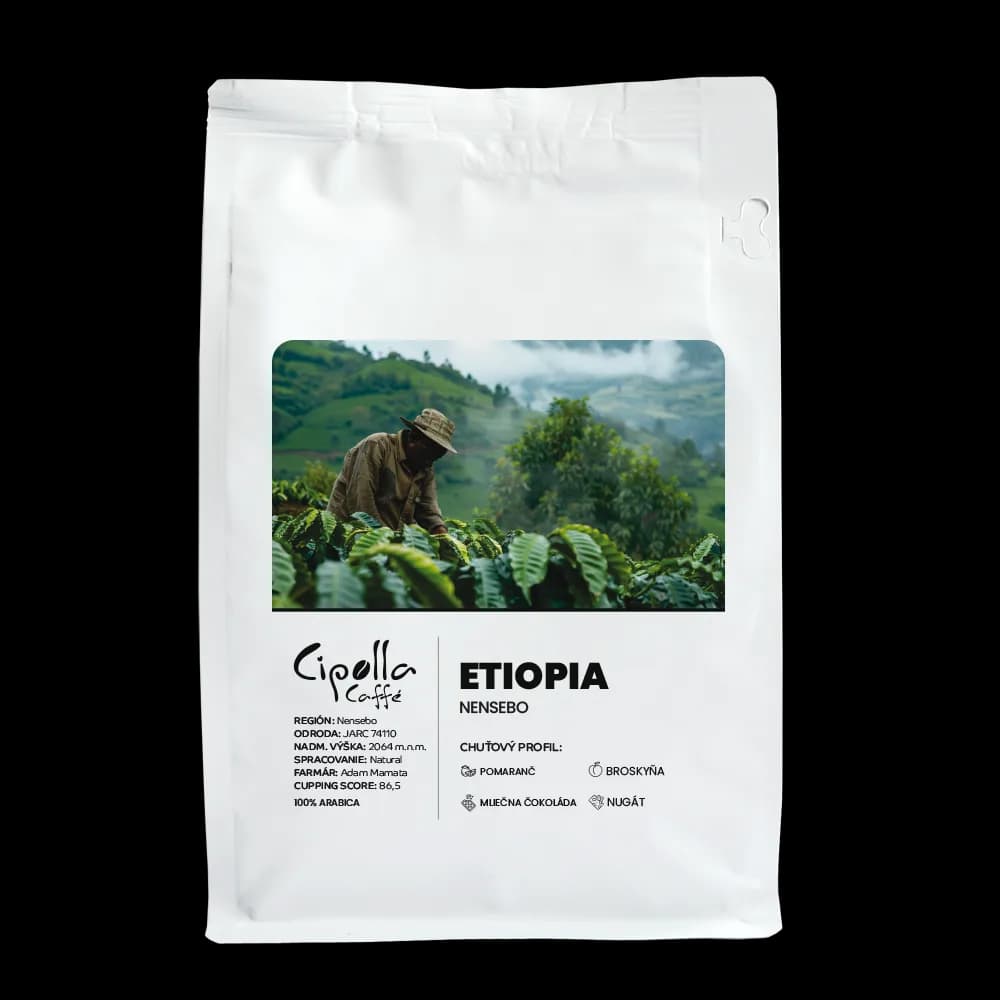 East Africa
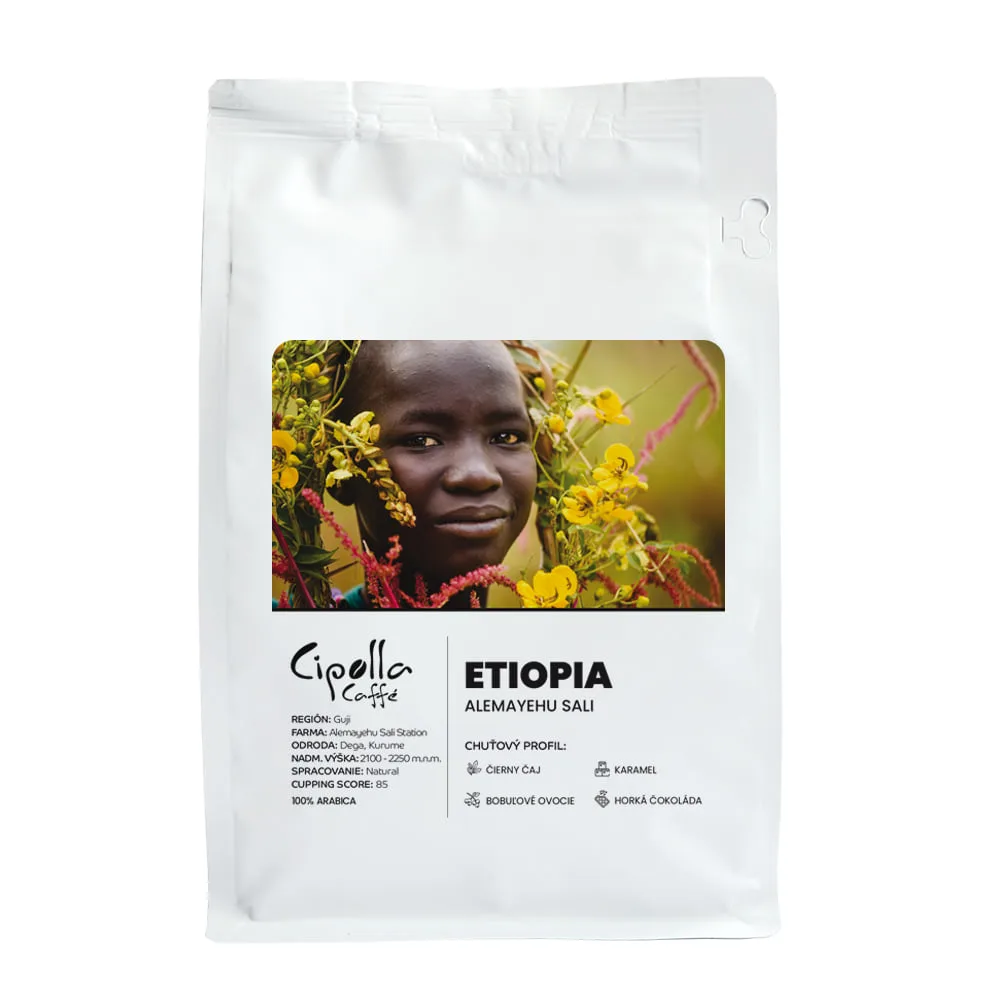
Ethiopia
2 coffees · Nensebo, Guji
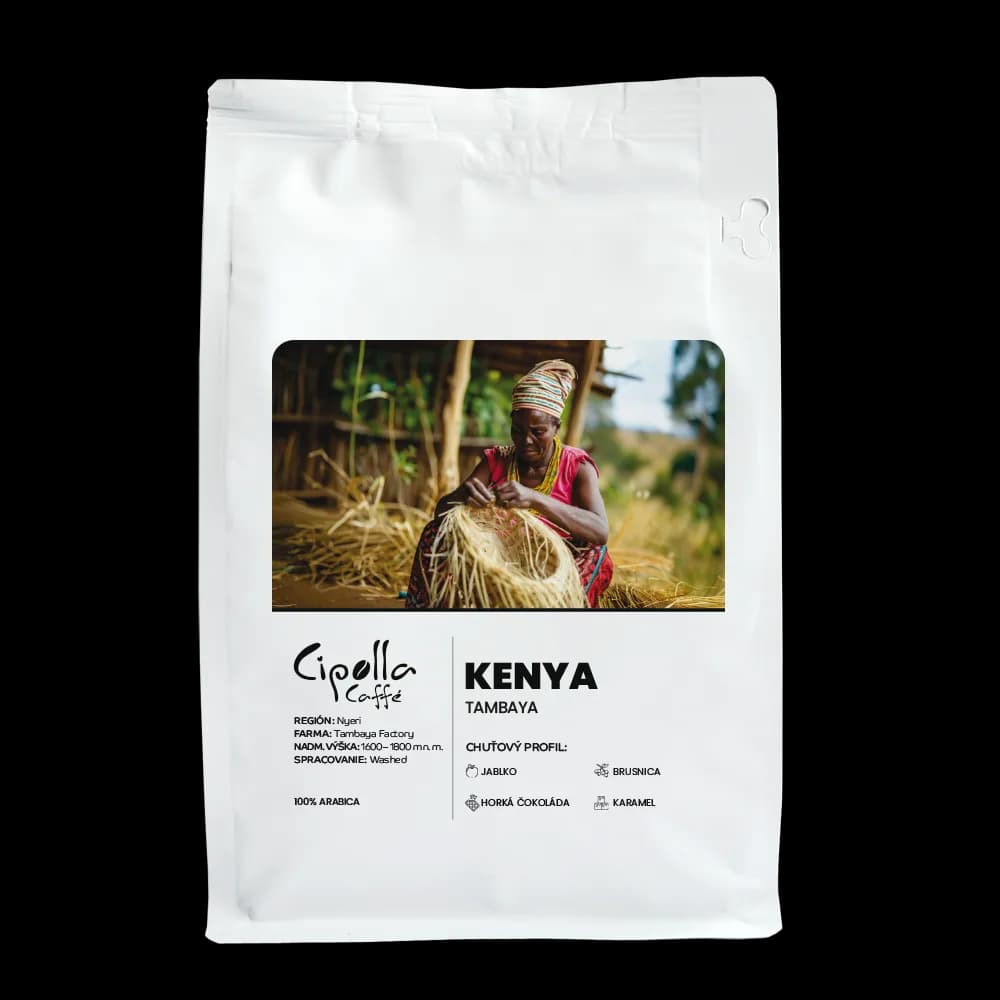 East Africa
Kenya
2 coffees · Nyeri, Kirinyaga
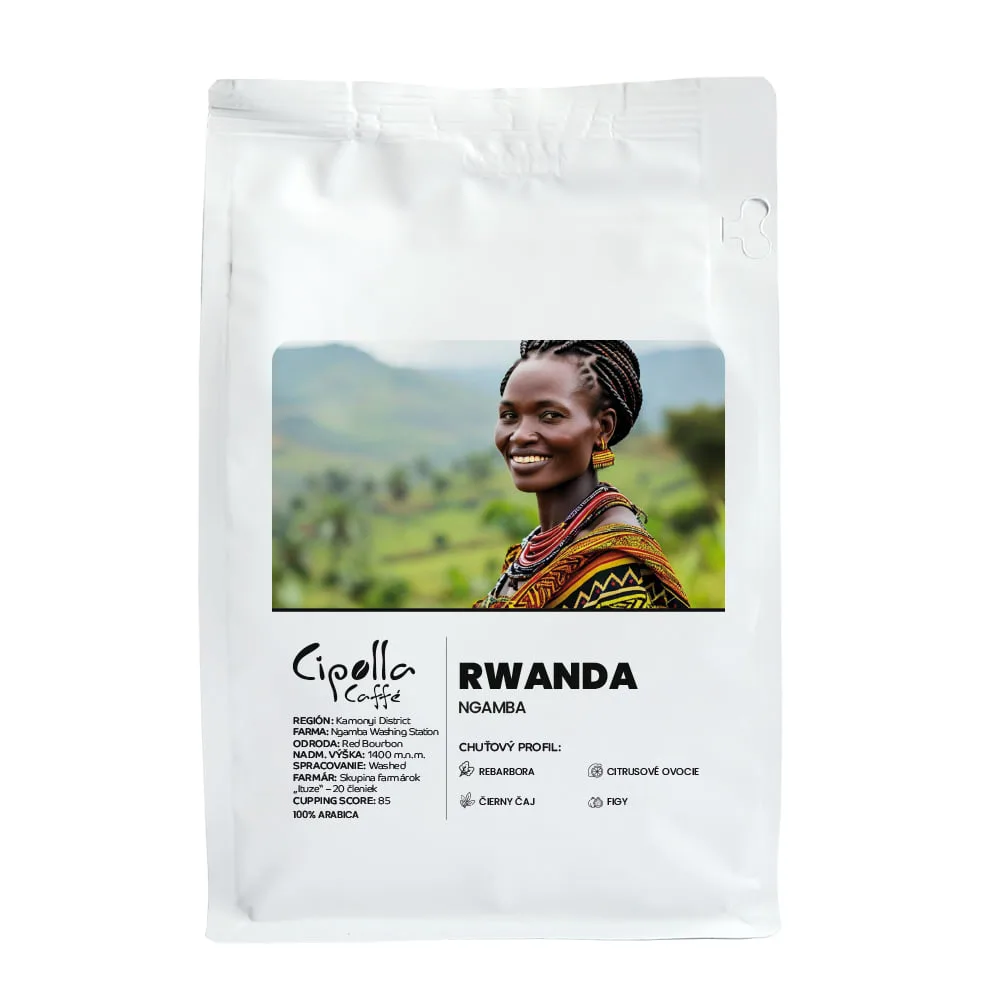 East Africa
Rwanda
2 coffees · Kamonyi District, Gatsibo
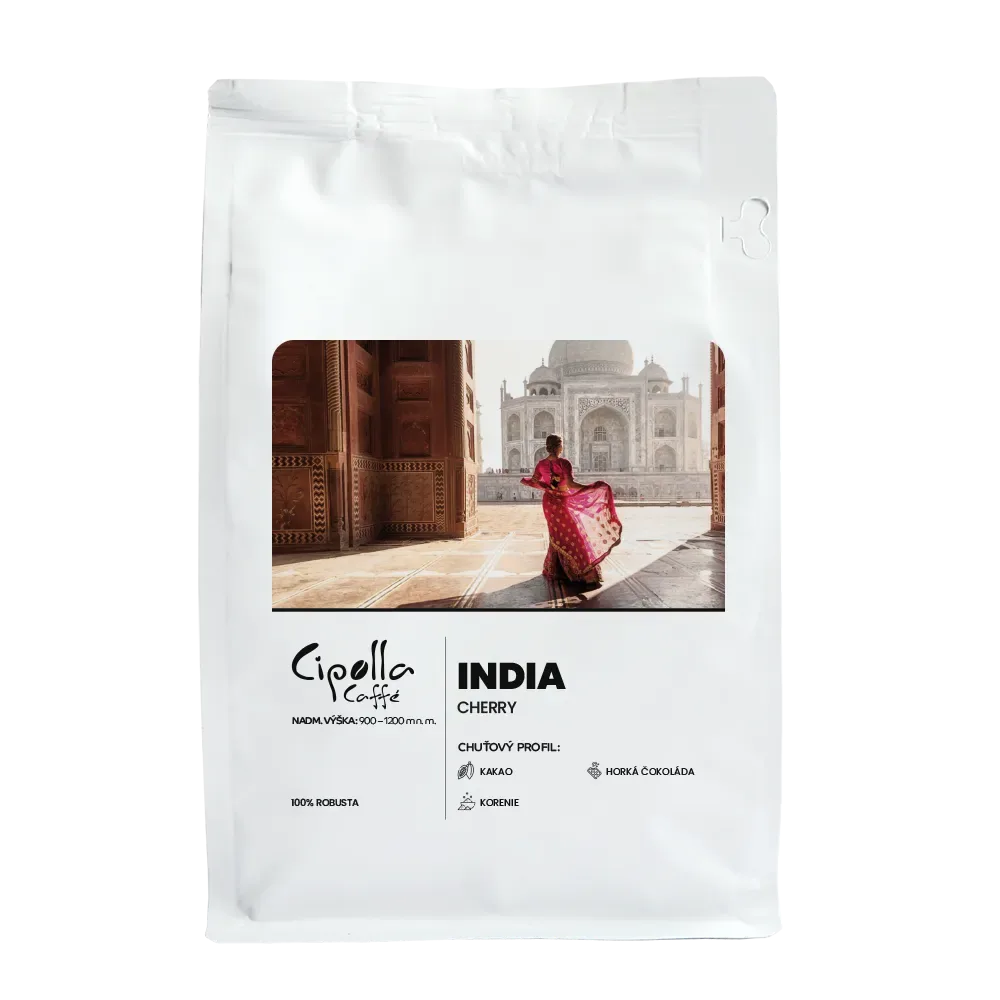 South Asia
India
1 coffee
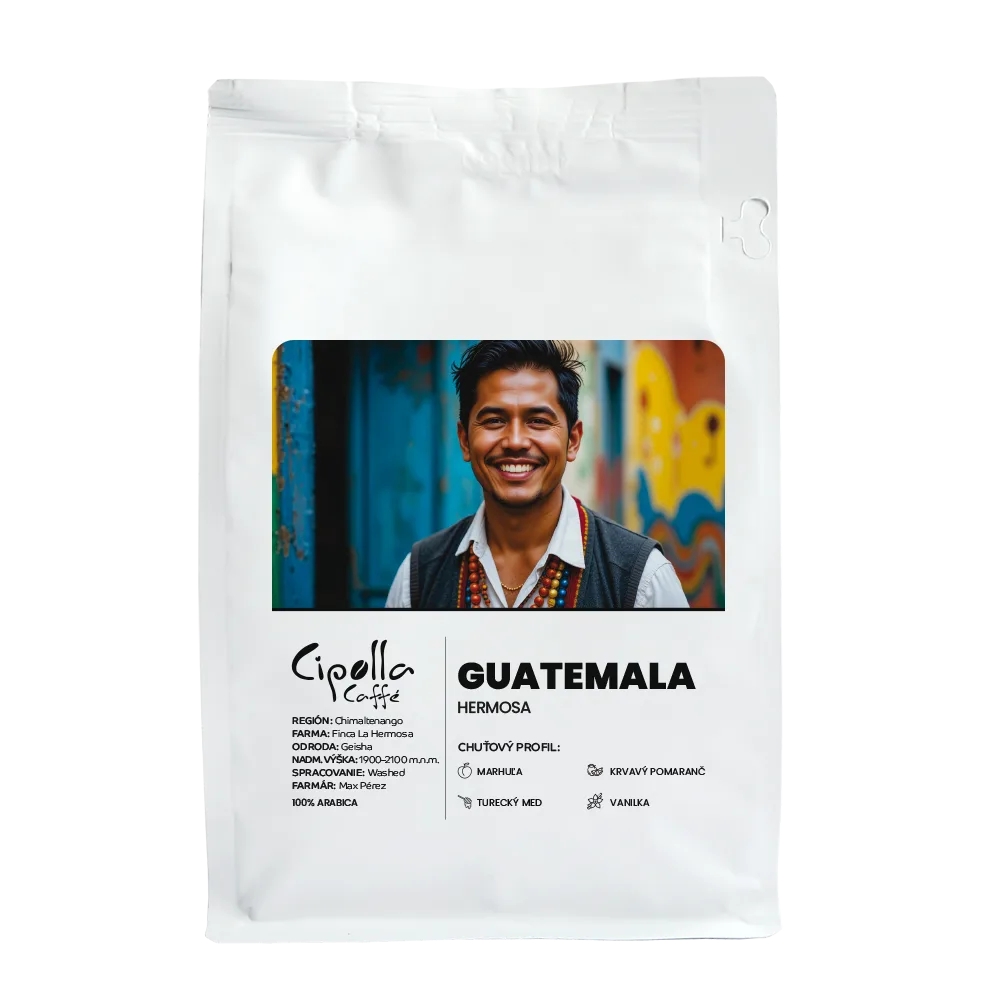 Central America
Guatemala
3 coffees · Chimaltenango, Antigua, Huehuetenango
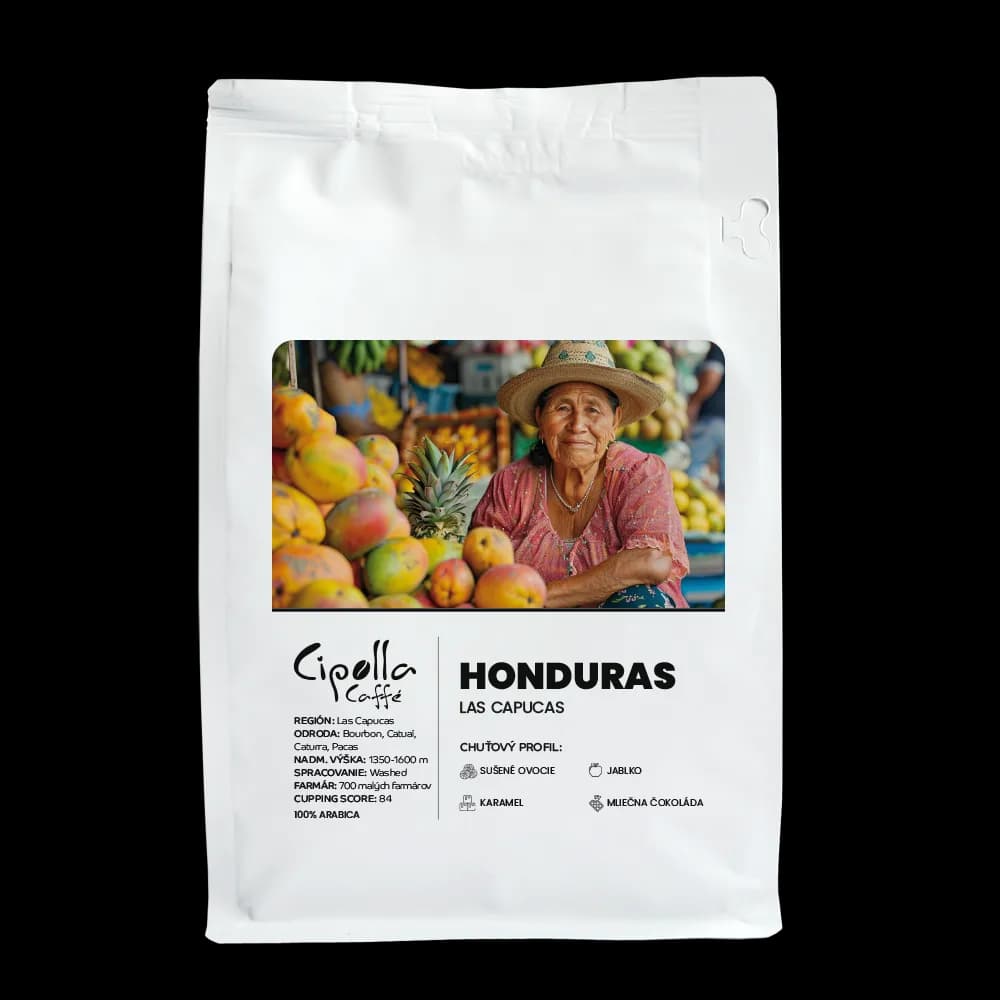 Central America
Honduras
1 coffee · Las Capucas
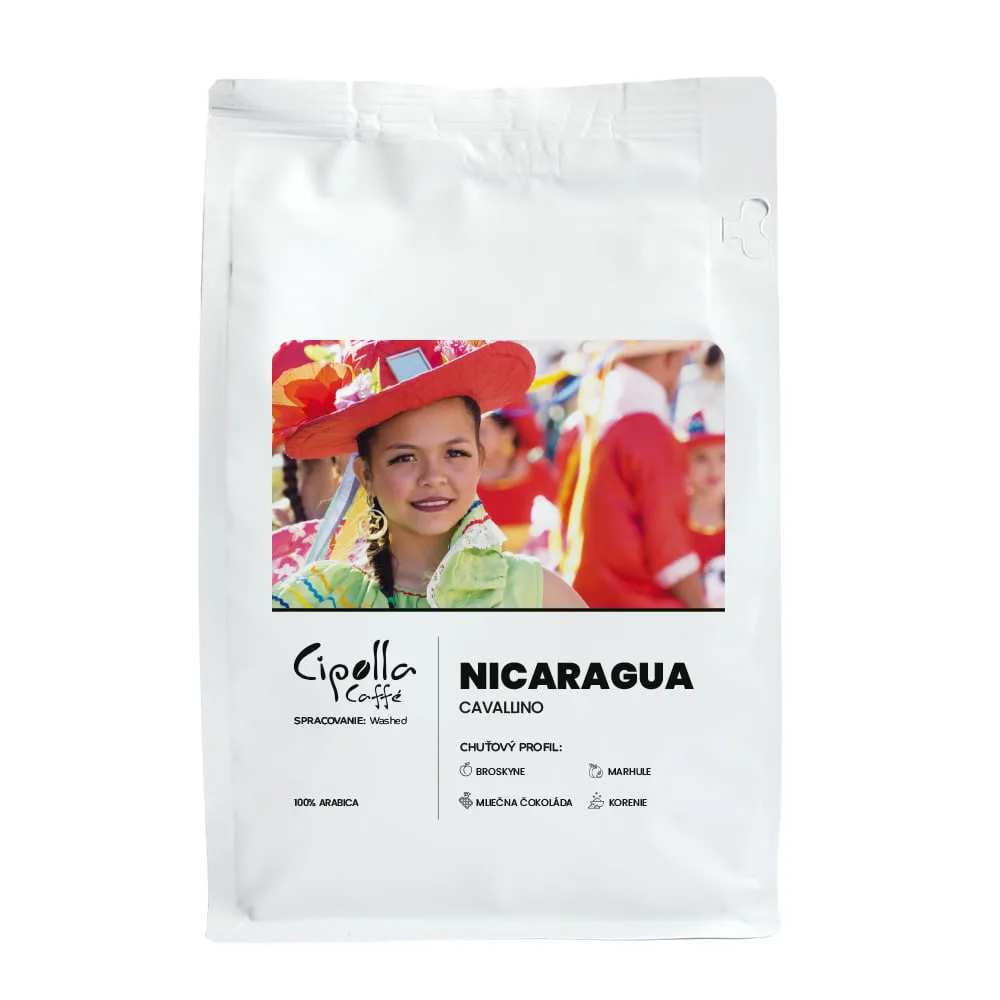 Central America
Nicaragua
1 coffee
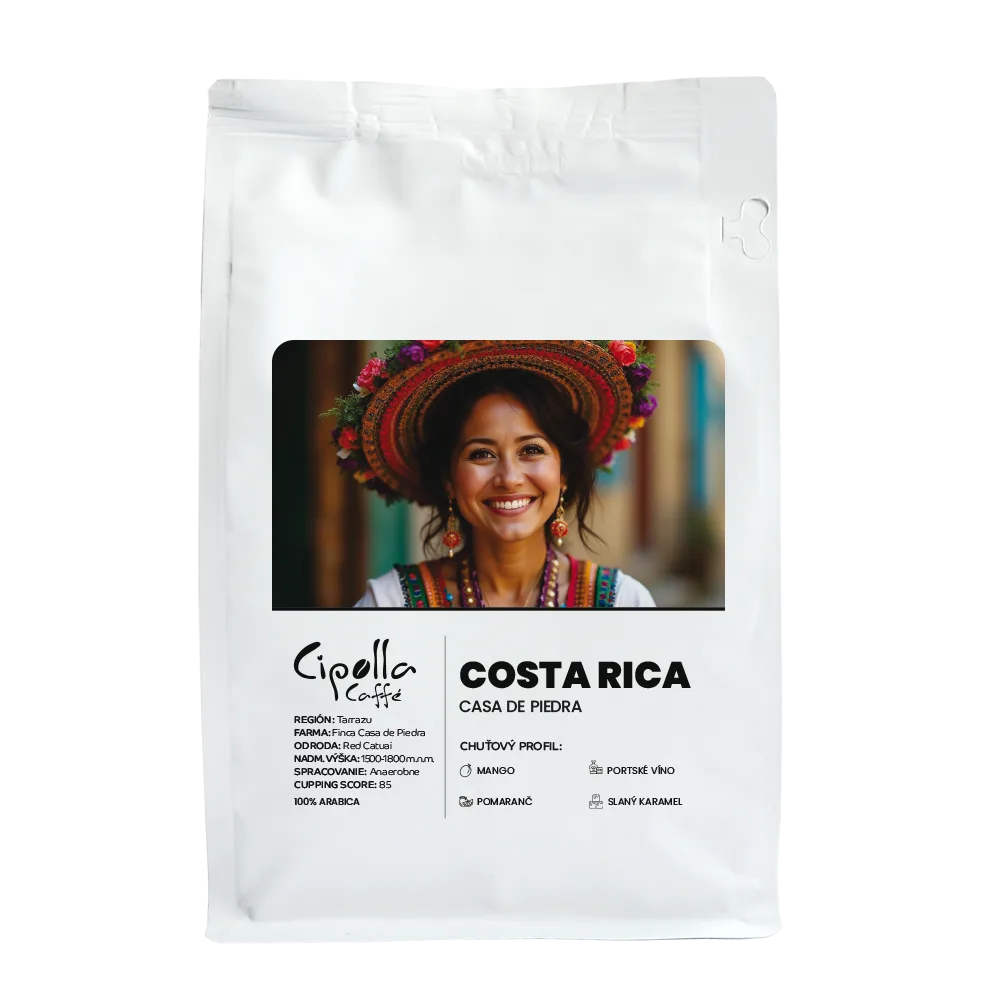 Central America
Costa Rica
2 coffees · Tarrazú
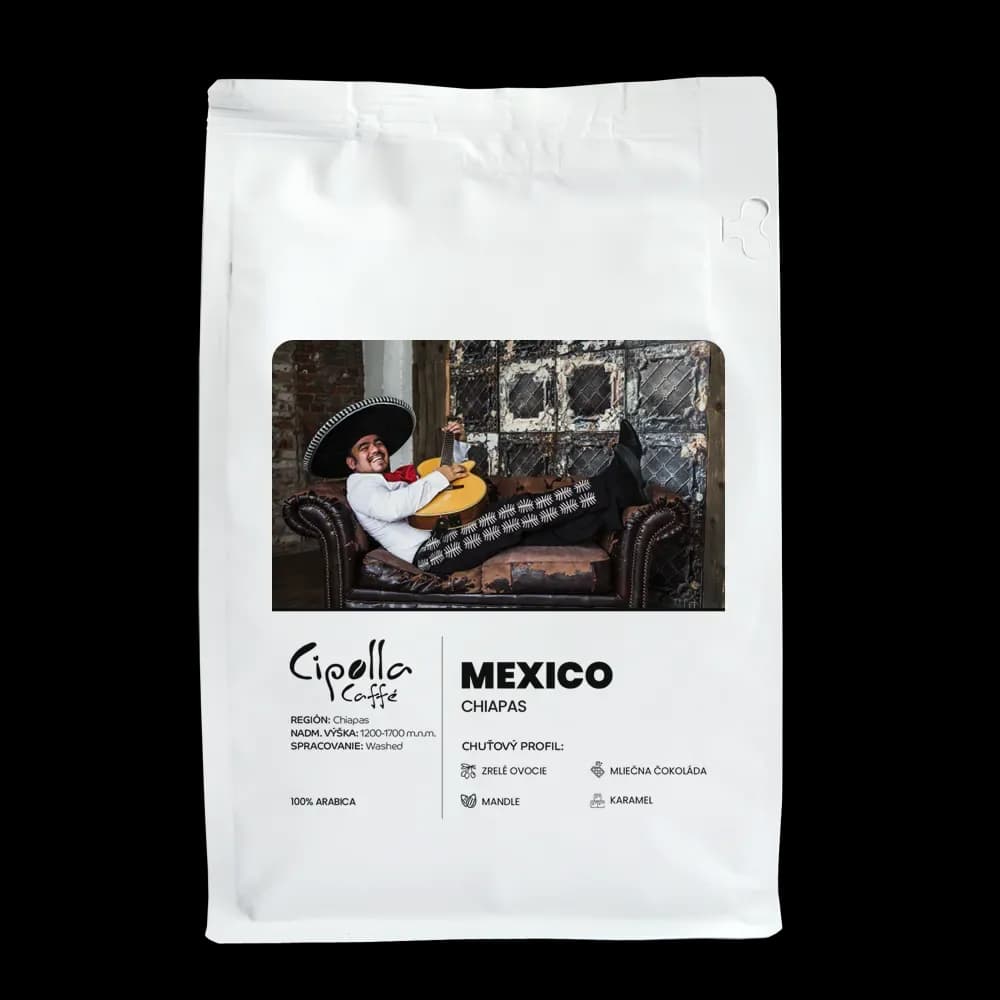 North America
Mexico
1 coffee · Chiapas
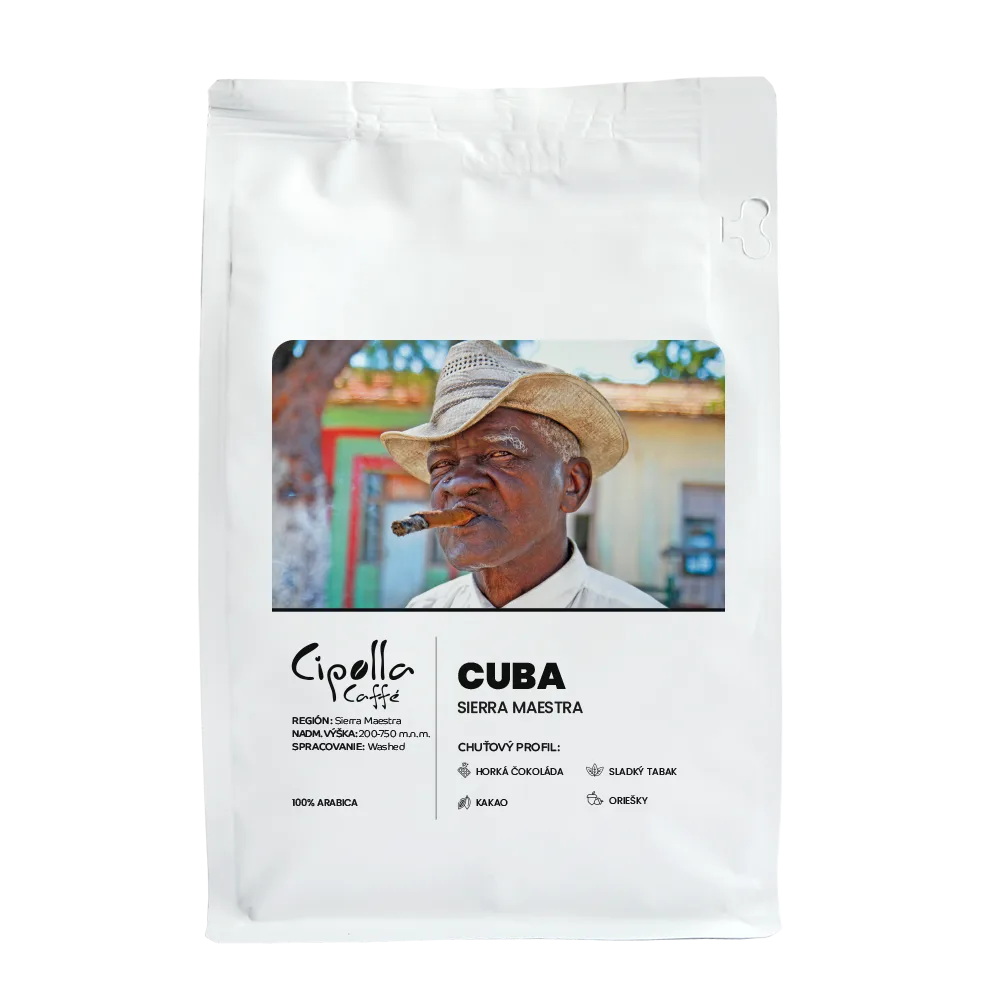 Caribbean
Cuba
1 coffee · Sierra Maestra
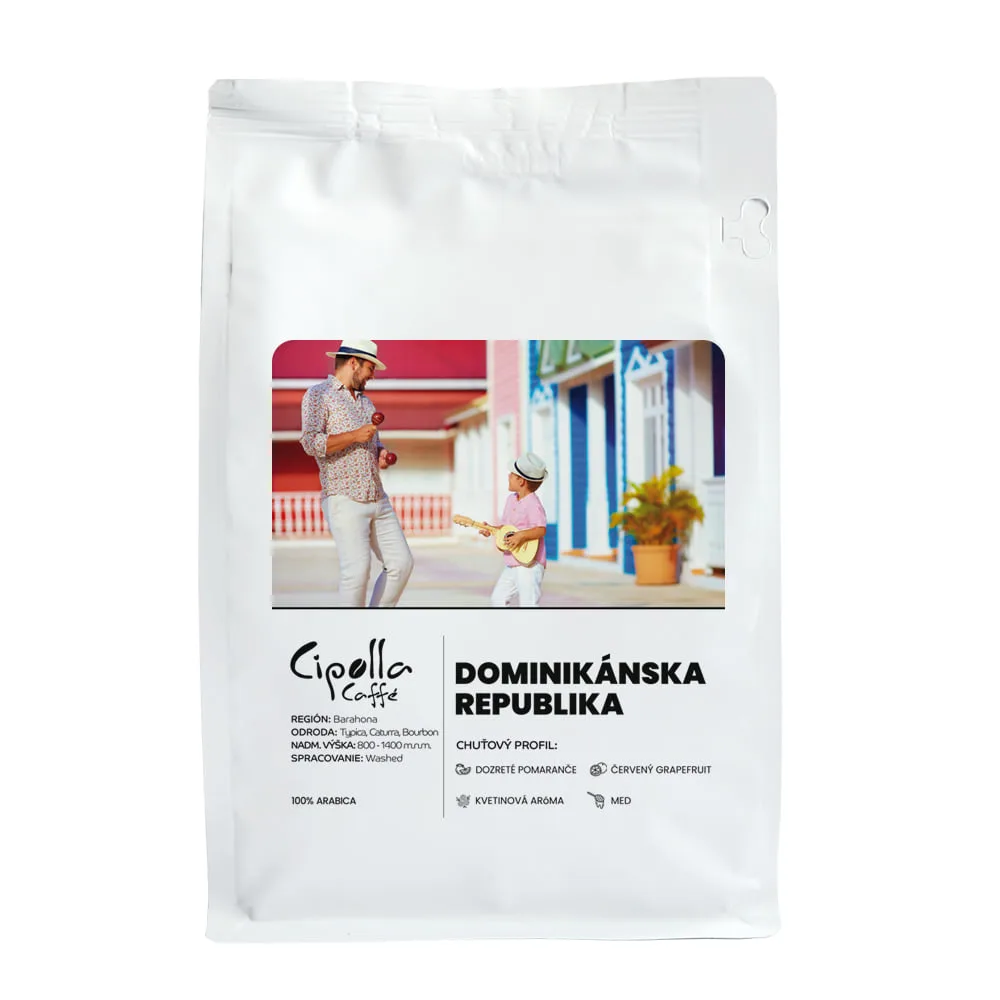 Caribbean
Dominican Republic
1 coffee · Barahona
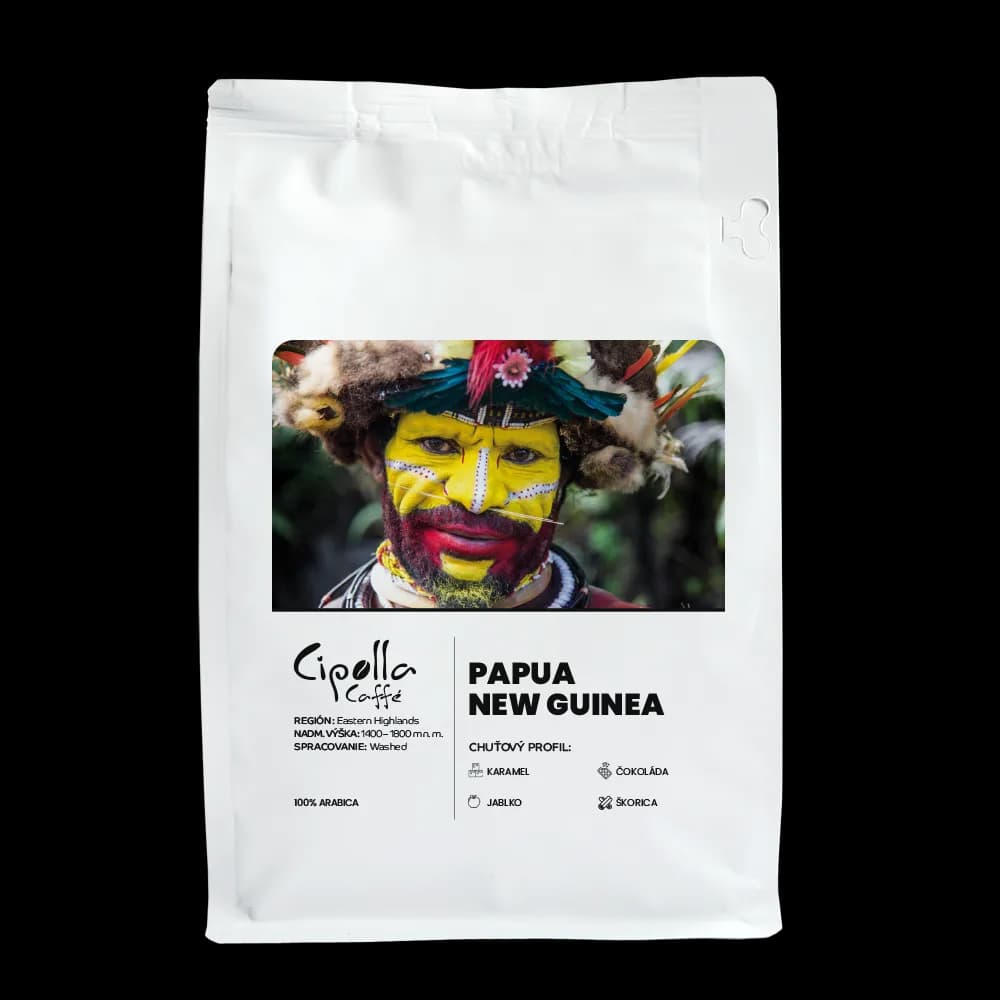 Oceania
Papua New Guinea
1 coffee · Eastern Highlands
the year we started roasting in Banská Bystrica
coffee belt countries in the atlas
single origin coffees, each with its own story
growing regions on our labels
ways of processing coffee cherries
espresso blends composed in our roastery
How to read our label
For every coffee we list what we know about it, from the farm to the roast. Here’s what it all means.
Variety
The botanical variety of the coffee plant — just like with wine, the “grape” matters. Bourbon and Typica are the classics, while Kenyan SL28 or Ethiopian heirloom varieties give a coffee a bold, unmistakable character. We list the variety for every coffee where we know it from the farm.
Processing
The journey from ripe cherry to green bean. Washed coffee tends to be clean and crisp, sun-dried (natural) sweeter and fruitier, honey somewhere in between. It’s one of the strongest influences on the final flavor — we break it down in more detail below.
Altitude
At higher altitudes, cherries ripen more slowly — the bean is denser and the flavor more concentrated and complex. That’s why high-grown coffees from mountain farms are among the most prized; we state the figure in meters above sea level.
Cupping score
A quality rating on a 100-point scale from a professional tasting (cupping). Coffees scoring above 80 points are classed as specialty. We list the score for coffees where it has been confirmed by graders.
Arabica vs. robusta
The two species of coffee plant we work with. Our single origin coffees are mostly 100% arabica; the exception is the Indian Cherry — 100% robusta. In espresso blends we combine both species to suit the blend’s profile.
Coffee from India →Processing and flavor
The same bean can taste completely different depending on what happens to the cherry after harvest. These are the methods you’ll find on our labels.
Washed
After harvest, the cherries are stripped of their pulp and the beans ferment in water, which washes away any remaining fruit. In the cup this means a clean, transparent profile — the flavor notes are clearly defined and the acidity feels fresh. Washed coffee tends to be elegant and precise, so we reach for it when the bean itself and its origin should speak, not the processing.
Natural (sun-dried)
Whole cherries dry in the sun for up to several weeks, and the beans soak up sugars from the pulp as they do. The result is a sweeter, fruitier cup with a fuller body and a softer, rounded acidity. This is the oldest way of processing coffee — and to this day it produces profiles reminiscent of dried fruit, jam, or wine.
Anaerobic fermentation
The cherries or beans ferment in sealed tanks without access to oxygen, often for several days at a controlled temperature. This controlled fermentation creates bold, unconventional notes — tropical fruit, liqueur, spices. The cup is intense and experimental; we choose it when the coffee should surprise even a seasoned drinker.
Honey
The skin is removed from ripe cherries, but part of the sweet pulp stays on the bean throughout drying. The coffee gains more sweetness and body than a washed one, yet stays cleaner than a natural. The profile tends toward honey and caramel with a gentle, rounded acidity — a bridge between the two worlds.
Swiss Water (decaffeination)
The caffeine is removed from the green beans with pure water, with no chemical solvents. The process is slow and gentle — the bean loses its caffeine while the flavor compounds stay in. Decaf coffee thus keeps the character of the original bean, and you can happily enjoy it late in the evening.
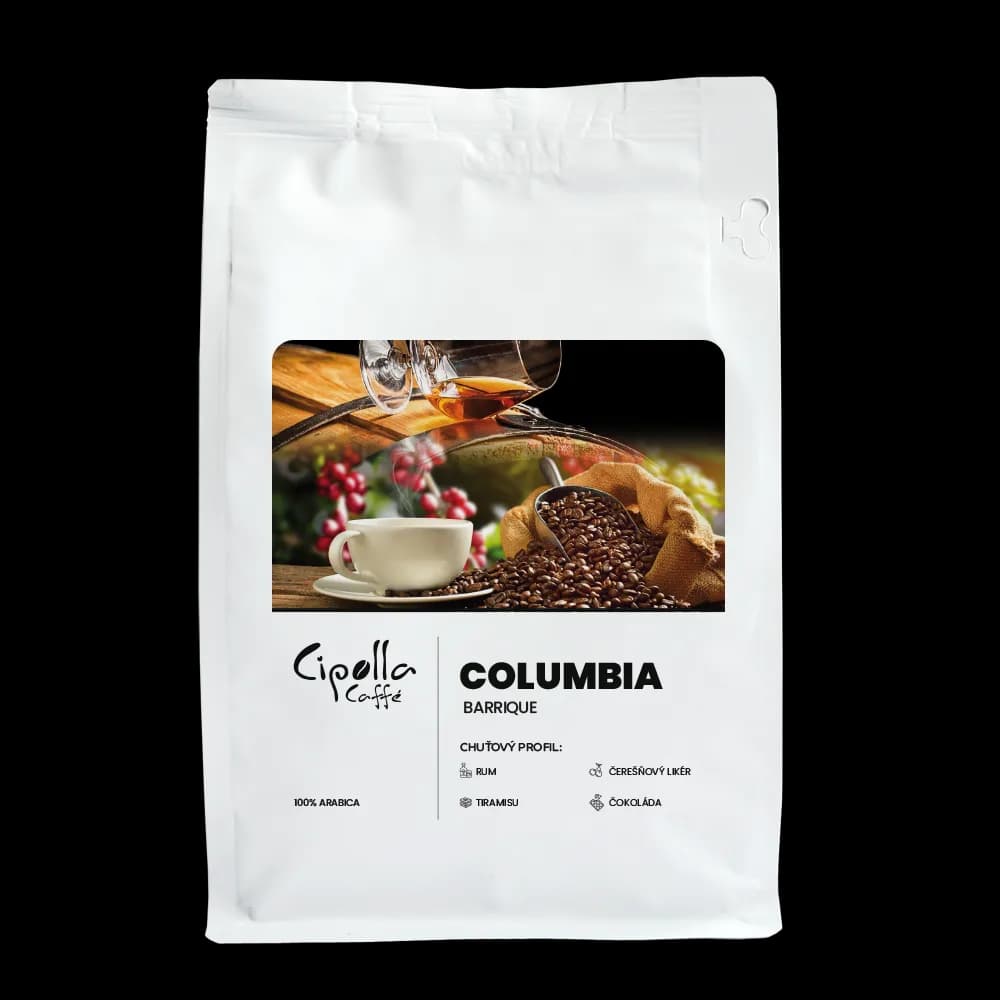
Barrique (barrel-aged)
Before roasting, the processed beans rest for months in oak barrels that previously held rum. They slowly take on aromas from the wood — rum, vanilla, liqueur notes — while the finished coffee remains completely alcohol-free. It's a craft-intensive method borrowed from the world of wine and rum that turns the coffee into a limited specialty.
Our blends
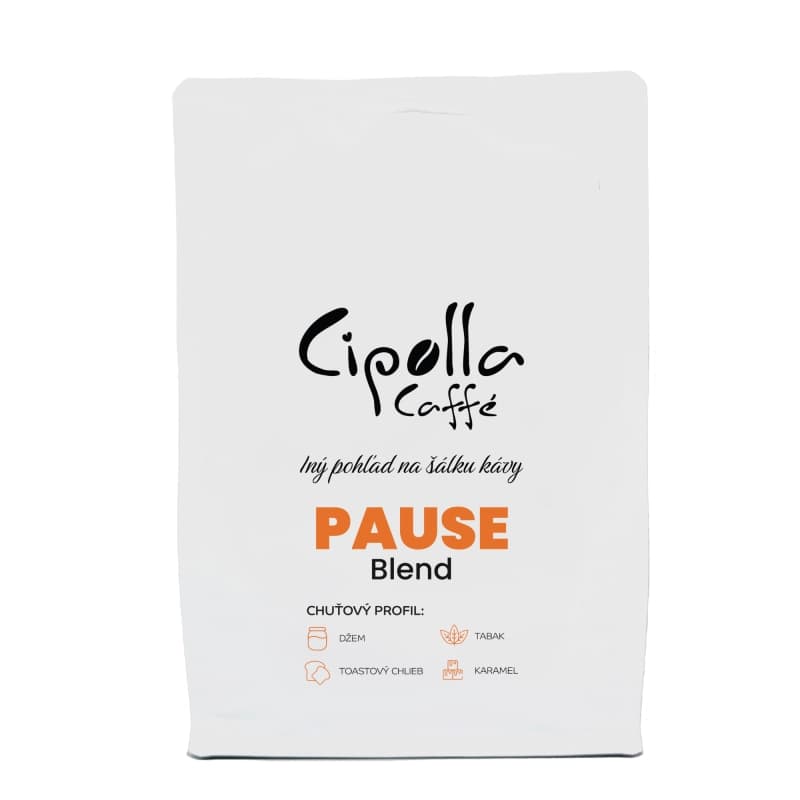
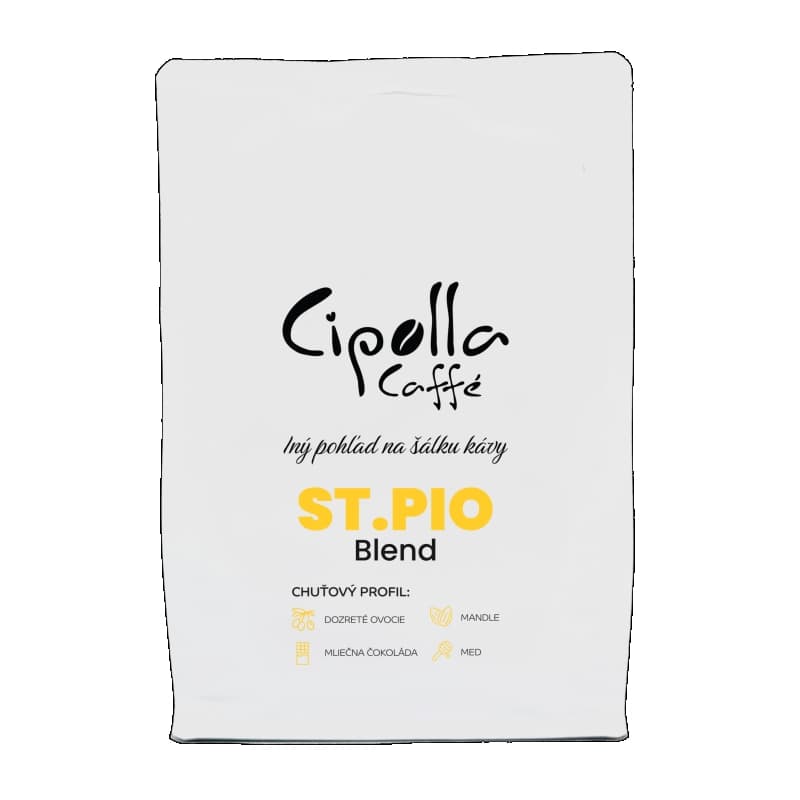
A single origin coffee shows the character of one country. An espresso blend is the roaster’s craft — coffees from several countries composed so the cup tastes balanced day after day.
Decaf Blend
Decaf Blend is a ground decaffeinated coffee for those who want to enjoy the full flavor of coffee even without caffeine. In the cup it offers notes of dark chocolate, cocoa and caramel, which makes it taste balanced, gentle and very pleasant for everyday drinking. It is a good choice for home use, for customers who are looking for decaf coffee without needless acidity.
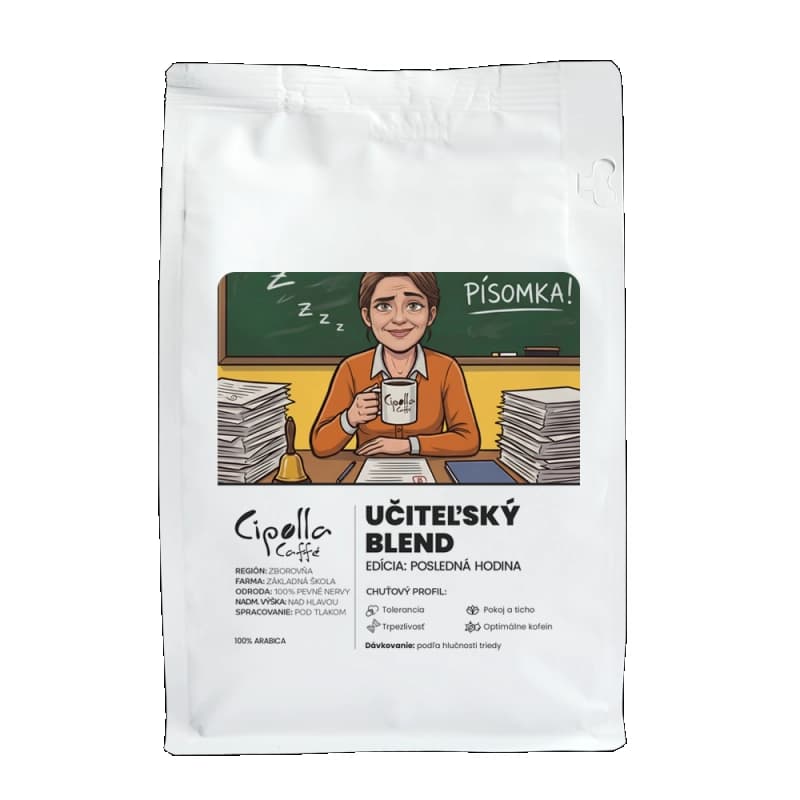
Behind every coffee on the map is our roastery
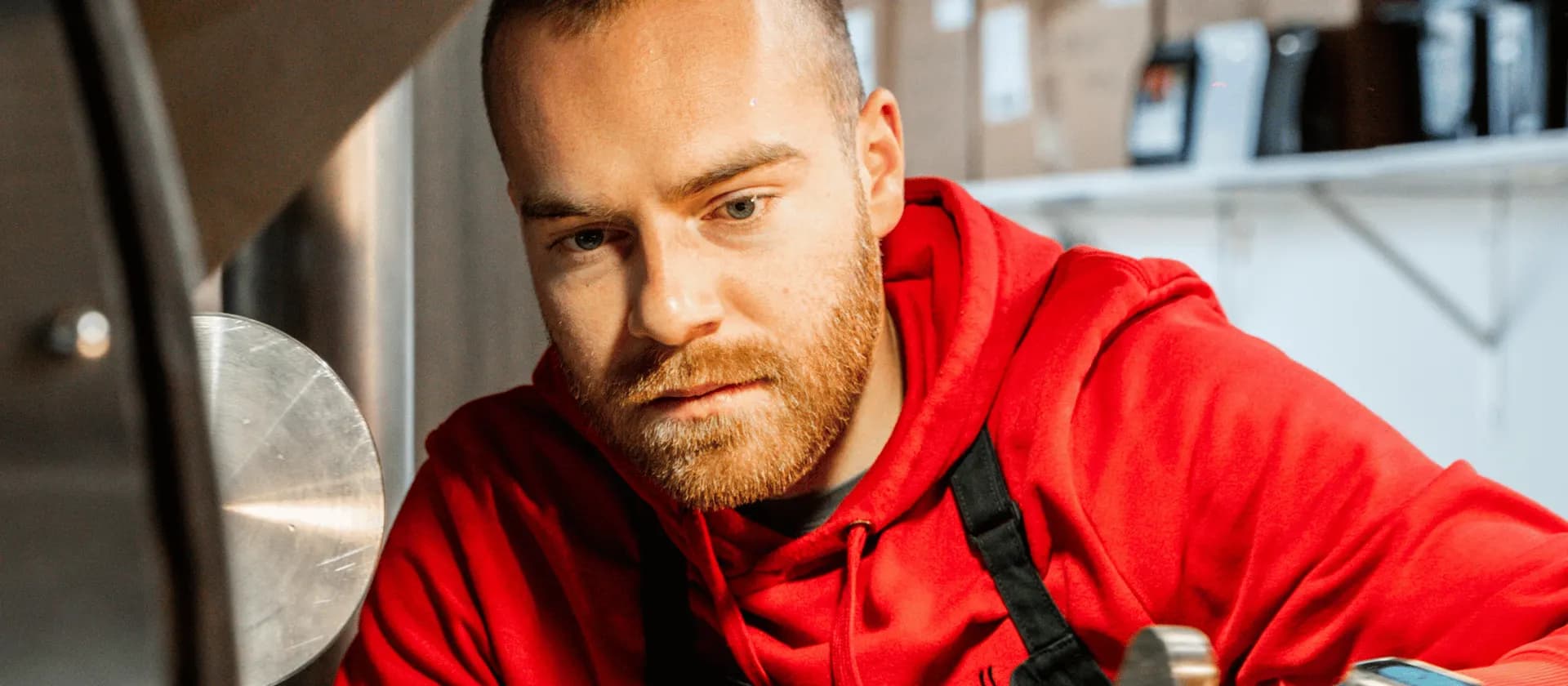
A roastery since 2011
We roast the atlas coffees continuously in small batches in Banská Bystrica — they reach your cup fresh.
Freshly roasted coffee →Ground to match your brew
On request we’ll also grind your coffee to match your brewing method — whole bean stays the freshest choice.
Choose your coffee →Barista Academy
You can bring out the atlas flavors at home too — at the coffee brewing courses in our Barista Academy.
Barista courses →A shop in Banská Bystrica
You can also buy our coffees in person at our shop on Zvolenská cesta 8 — we’re happy to help you choose.
Where to find us →Taste the countries on your own machine
We roast all the atlas coffees continuously in small batches, and on request we’ll grind them to match your brewing method.