Cipolla Caffé — coffee roastery in Banská Bystrica, Slovakia
World of Tea

One Plant, a Whole World of Flavor

Green, black, and white tea all come from a single plant — it is the oxidation of the leaves that makes the difference. We will walk you through the types of loose leaf tea, how to brew them, and which one to choose for morning, afternoon, or evening.

8

types of tea

30

loose leaf teas

2

brands · Ronnefeldt and Elit Tea

All true teas — green, black, and white — come from a single plant, the tea bush Camellia sinensis. Which type you end up with comes down mostly to oxidation: green tea avoids it almost entirely thanks to the leaves being heated, black tea goes through it fully, and white tea stands at the very beginning of that journey. Herbal and fruit infusions do not come from the tea plant at all, which is why they contain no caffeine.

We prefer loose leaf tea on purpose. Whole leaves have room to unfurl in the pot and release their full flavor and aroma into the brew, you decide how strong you like it, and quality leaves can handle several infusions.

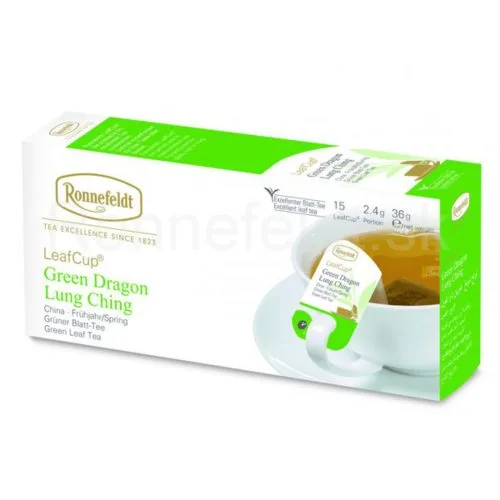
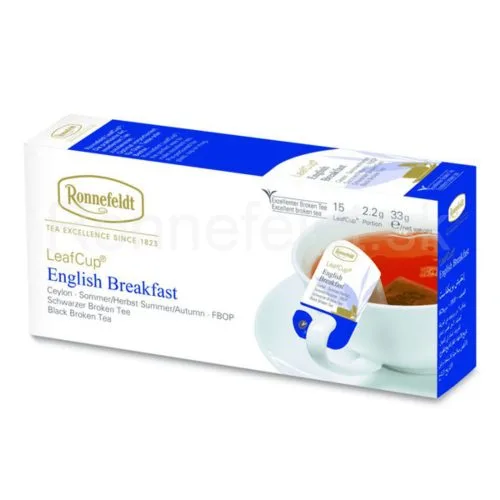
Our selection is built on two brands. Ronnefeldt is a premium German producer from Frankfurt with a tradition dating back to 1823, focused on teas for demanding restaurants and hotels. Elit Tea rounds out the range with hand-packed loose leaf teas and blends — from herbal to fruit.

01 · Tea type

Green tea

70–80 °C2–3 min7 teas available

Green tea is at home in China and Japan, and to this day these two countries define what it tastes like. Shortly after harvest, the leaves are heated — with steam in Japan, most often in a hot pan in China — which stops oxidation. The leaf keeps its green color and its fresh, grassy to floral flavor.

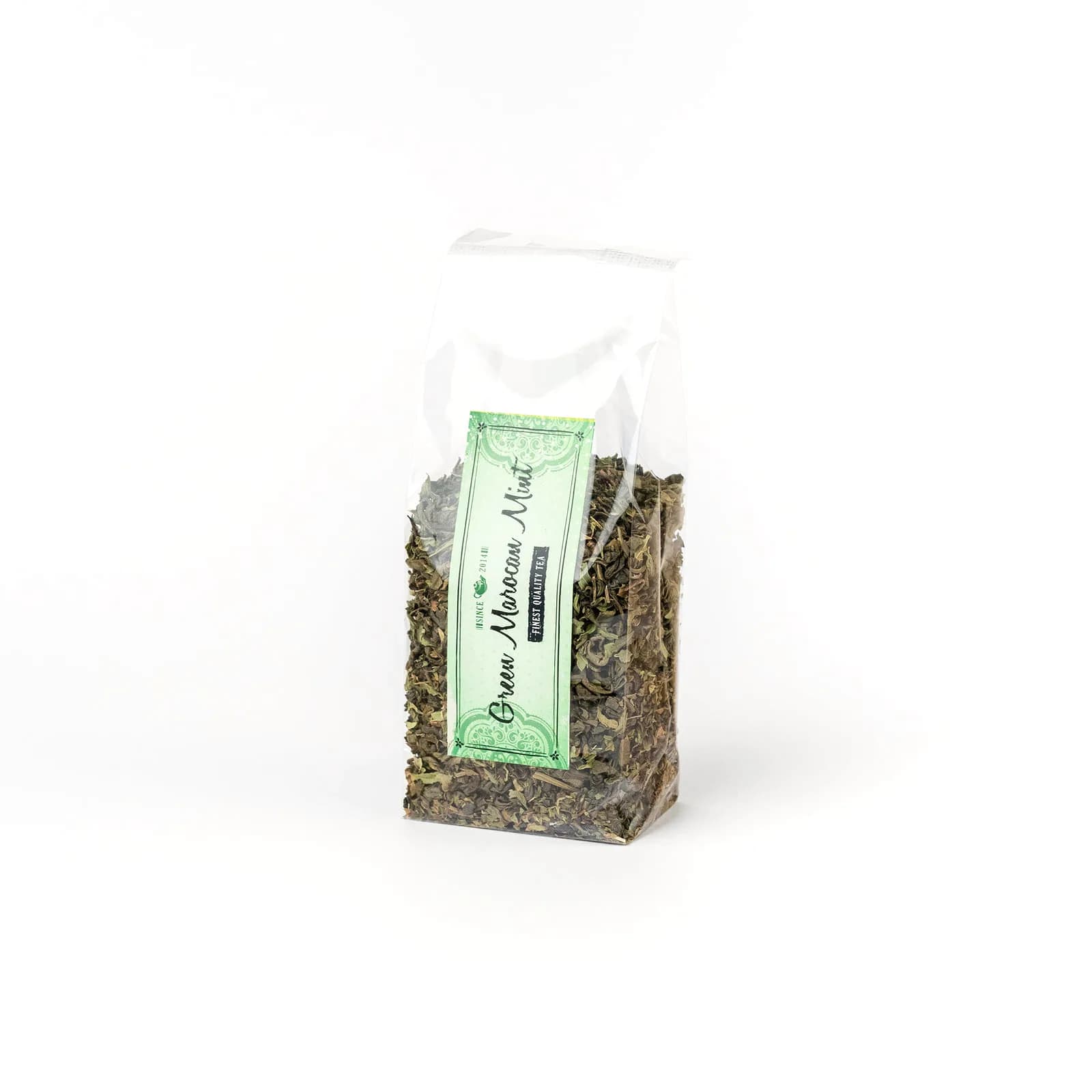
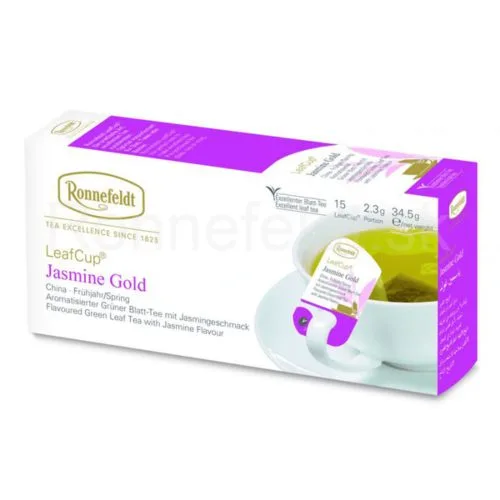
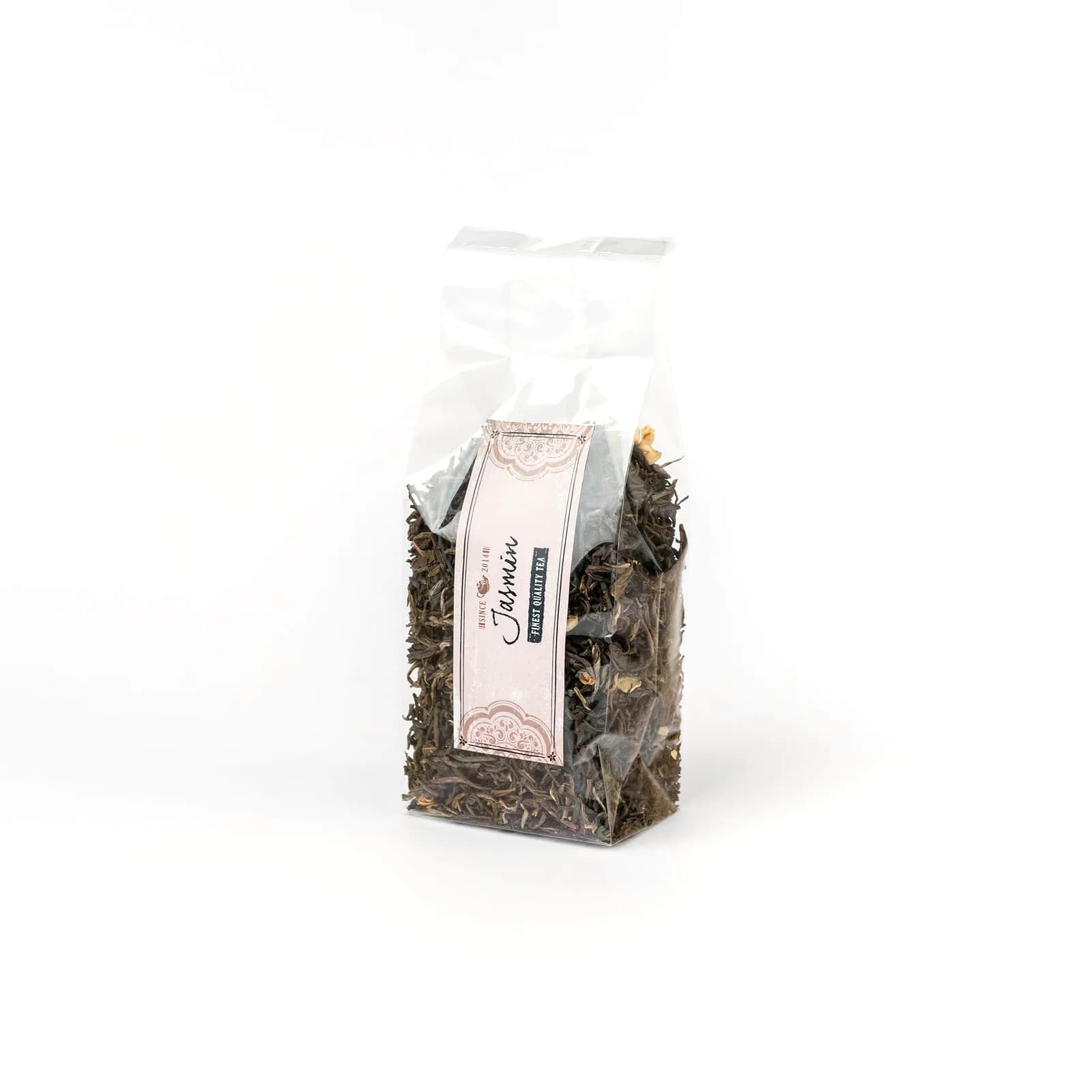
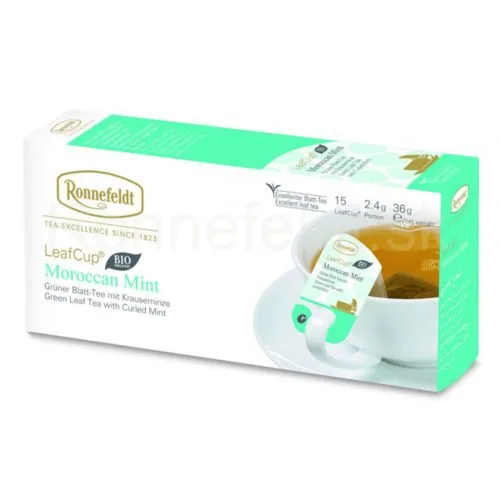
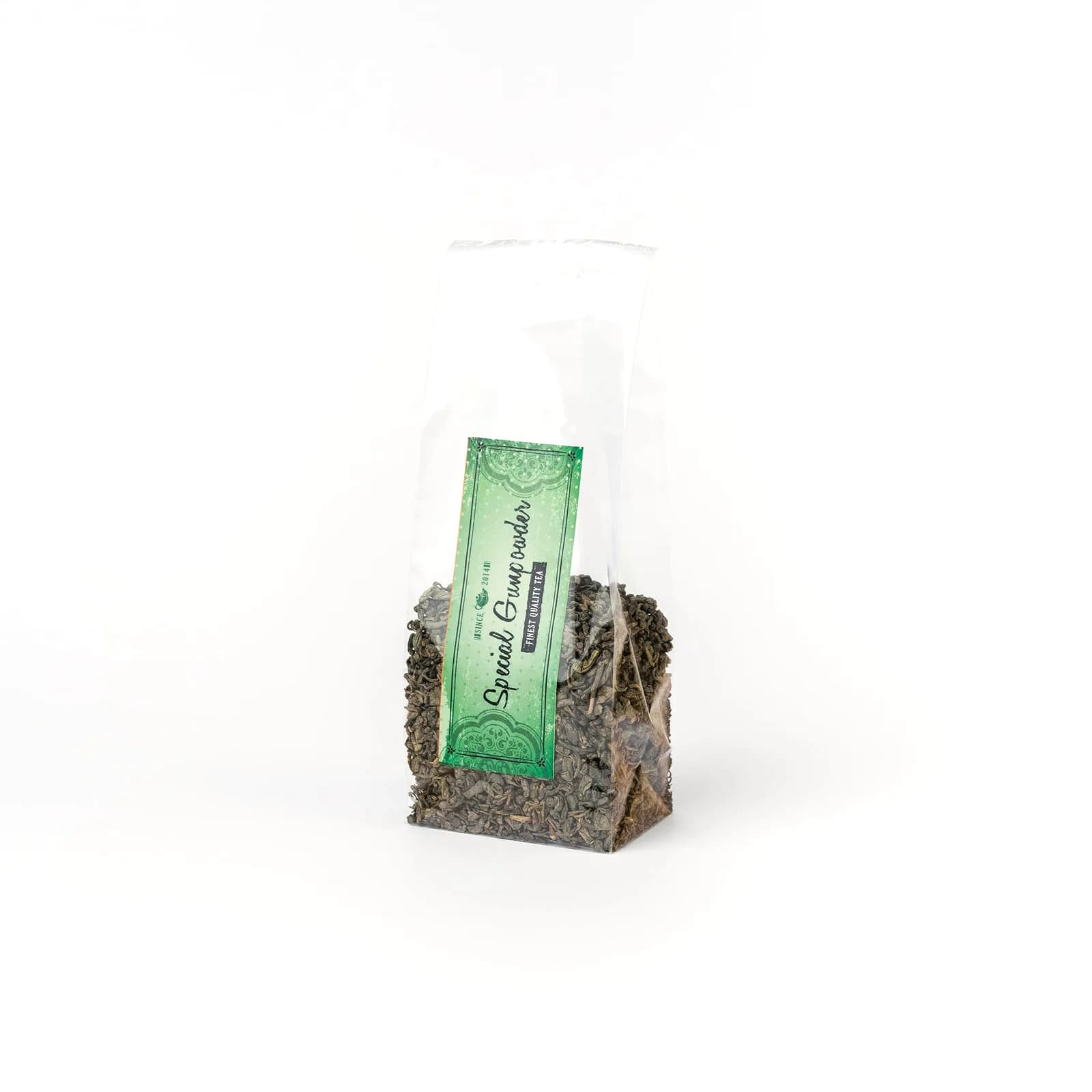
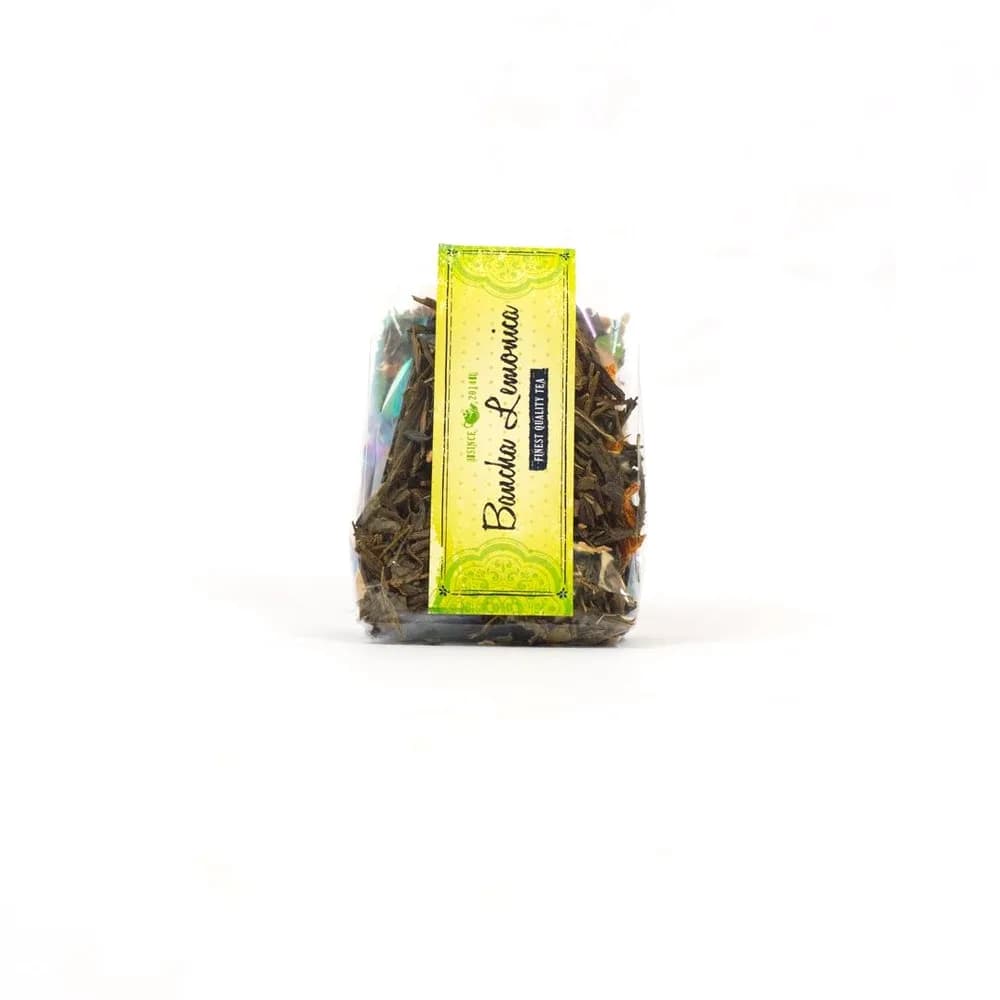
You can taste the processing in the cup. Japanese bancha is mild, with low acidity that is gentle on the stomach; Chinese gunpowder, with its rolled leaves, has a fuller, slightly smoky flavor; and sencha scented with jasmine blossoms is one of the most floral forms of green tea. We also carry a green tea with Moroccan Nana mint that refreshes both hot and cold.

Green tea suits anyone looking for a gentler pick-me-up than coffee. It has less caffeine than black tea and releases its energy gradually, making it a good fit for focused work or an afternoon break.
02 · Tea type

Black tea

95–100 °C3–4 min3 teas available

Black tea is made through full oxidation: after harvest, the leaves are left to wither, then rolled, and oxygen in the air gradually turns them dark. It is this oxidation that gives black tea its full, robust flavor with notes of malt, wood, and dried fruit.

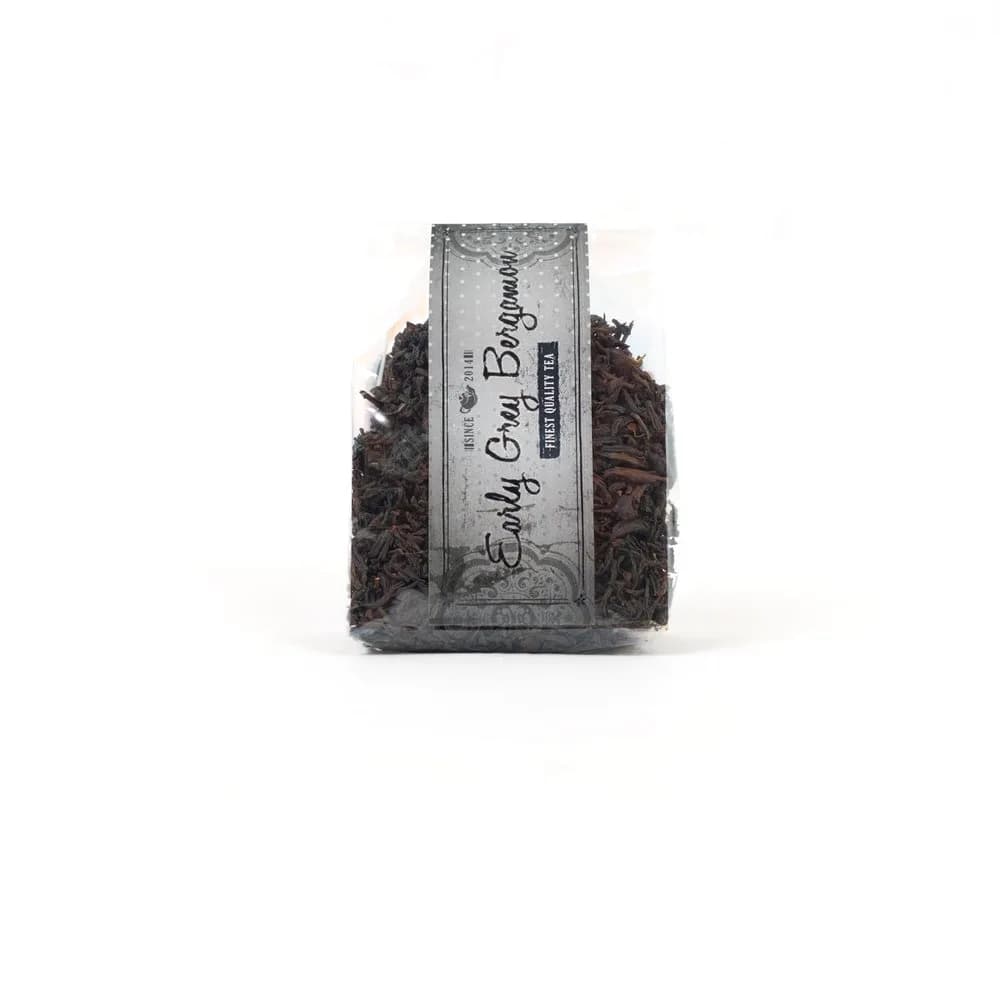
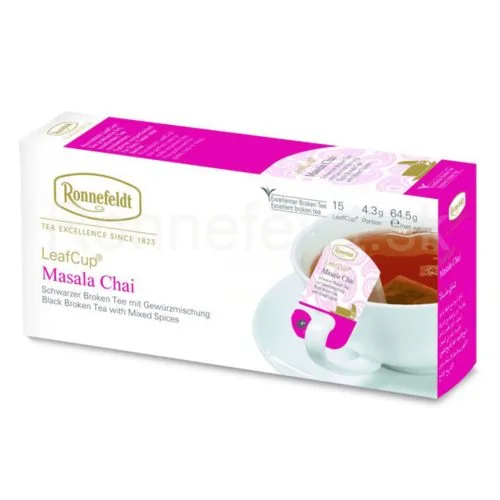
Ceylon tea from Sri Lanka is fresh and clean, while Indian Assam is strong and full of malty sweetness — in our range you will find it in a traditional spiced masala chai blend with ginger, cinnamon, and cloves. Another classic is Earl Grey, a black tea with a natural bergamot aroma and gentle citrus notes.

Of the everyday teas, black has the most caffeine, which makes it a natural choice for the morning. It suits anyone who likes a bold flavor, and it takes milk and honey well.

03 · Tea type

White tea

75–80 °C3–4 min1 tea available

White tea is the most gently processed type of all. After harvest, the young leaves and buds are simply left to wither and dry — no rolling, almost no oxidation. This tradition comes from China's Fujian province, where the finest harvests happen only briefly each year.

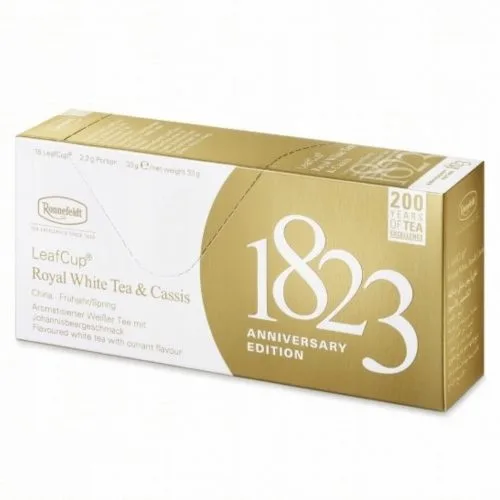
The flavor is light, delicate, and subtly sweet — nothing about it shouts. Our white tea from Ronnefeldt is complemented by the fruity cassis notes of black currant. Brewed gently, the infusion stays mild in caffeine, making it ideal for leisurely sipping throughout the day.

We recommend white tea to anyone looking for subtlety. It rewards attention — with a lower water temperature and unhurried steeping, it reveals a surprising amount.

04 · Tea type

Matcha

70–80 °Cnot steeped — whisk the powder1 tea available

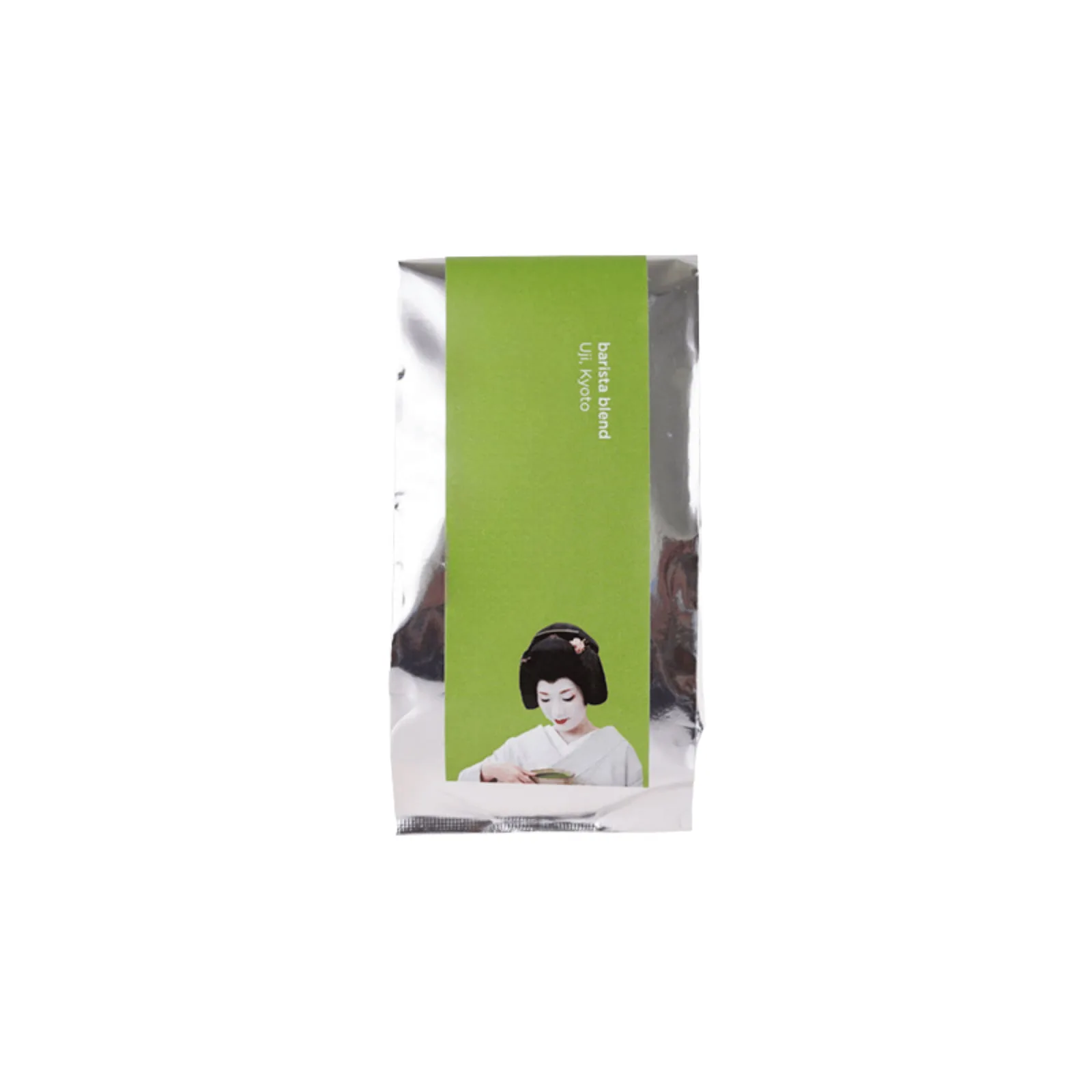
Matcha is a Japanese green tea grown in the shade for several weeks before harvest. The leaf produces more chlorophyll, takes on a deep green color, and develops a sweeter, fuller flavor. The dried leaves are then ground into a fine powder.

Unlike other teas, matcha is not steeped — you whisk the powder directly into water or milk and drink the whole leaf. That is why it has more caffeine than regular green tea and releases its energy gradually, without a sharp spike and crash.

Our matcha comes from the Uji area, one of Japan's most respected tea regions. It is ground for milk drinks — it keeps its color and delicate flavor in a matcha latte or a smoothie.

05 · Tea type

Herbal tea

100 °C5–8 min9 teas available

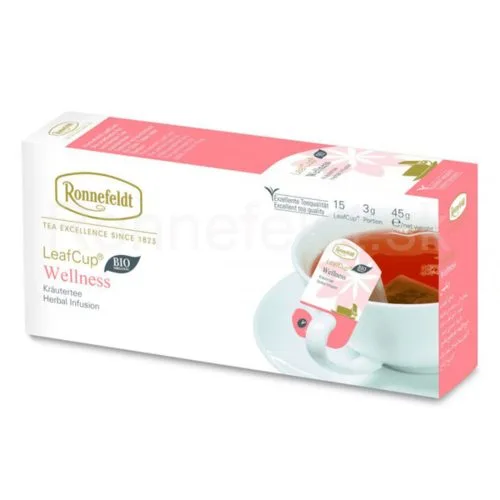
Herbal tea is not technically tea at all — it comes not from the tea plant but from herbs, spices, or South African rooibos. That is why it contains no caffeine and you can drink it anytime, even right before bed. After harvest, the herbs are dried gently to preserve the essential oils that define the flavor of the brew.

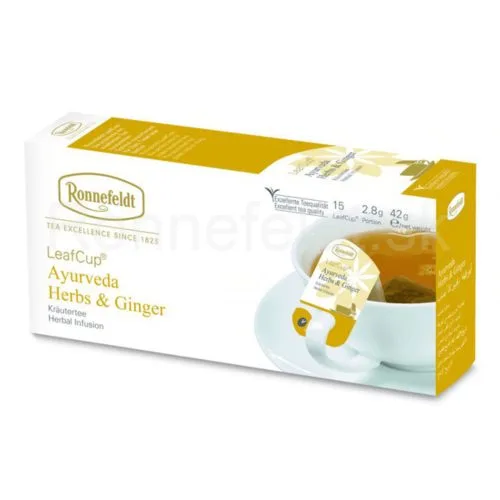
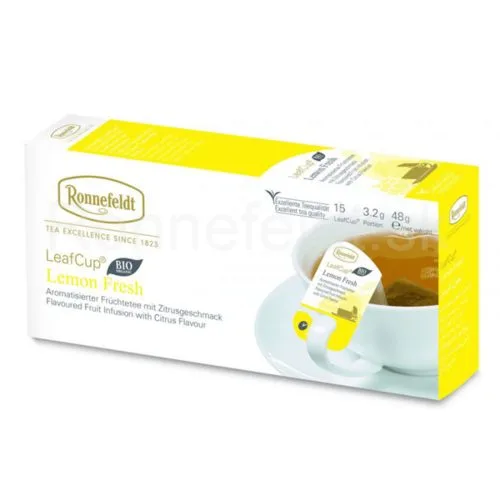
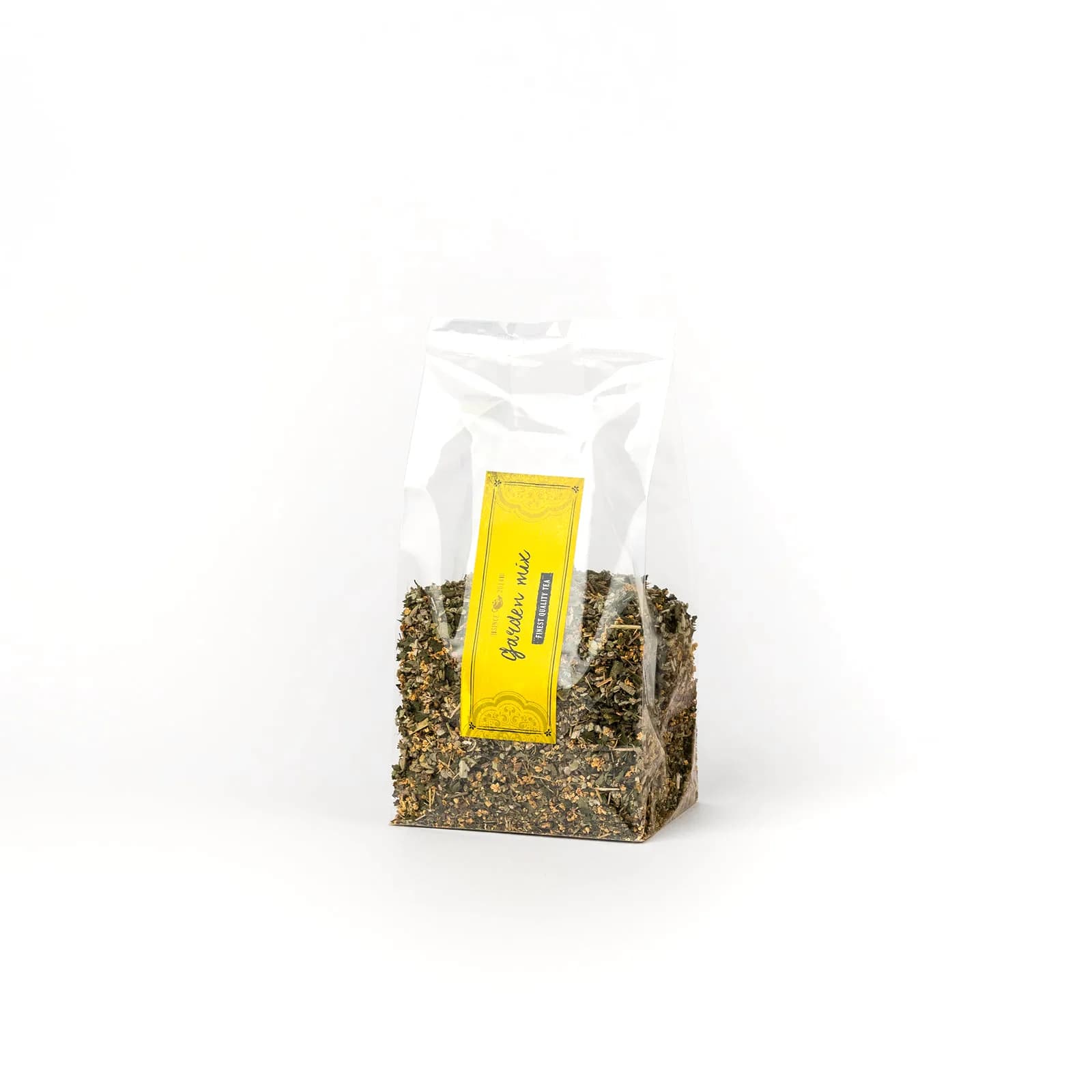
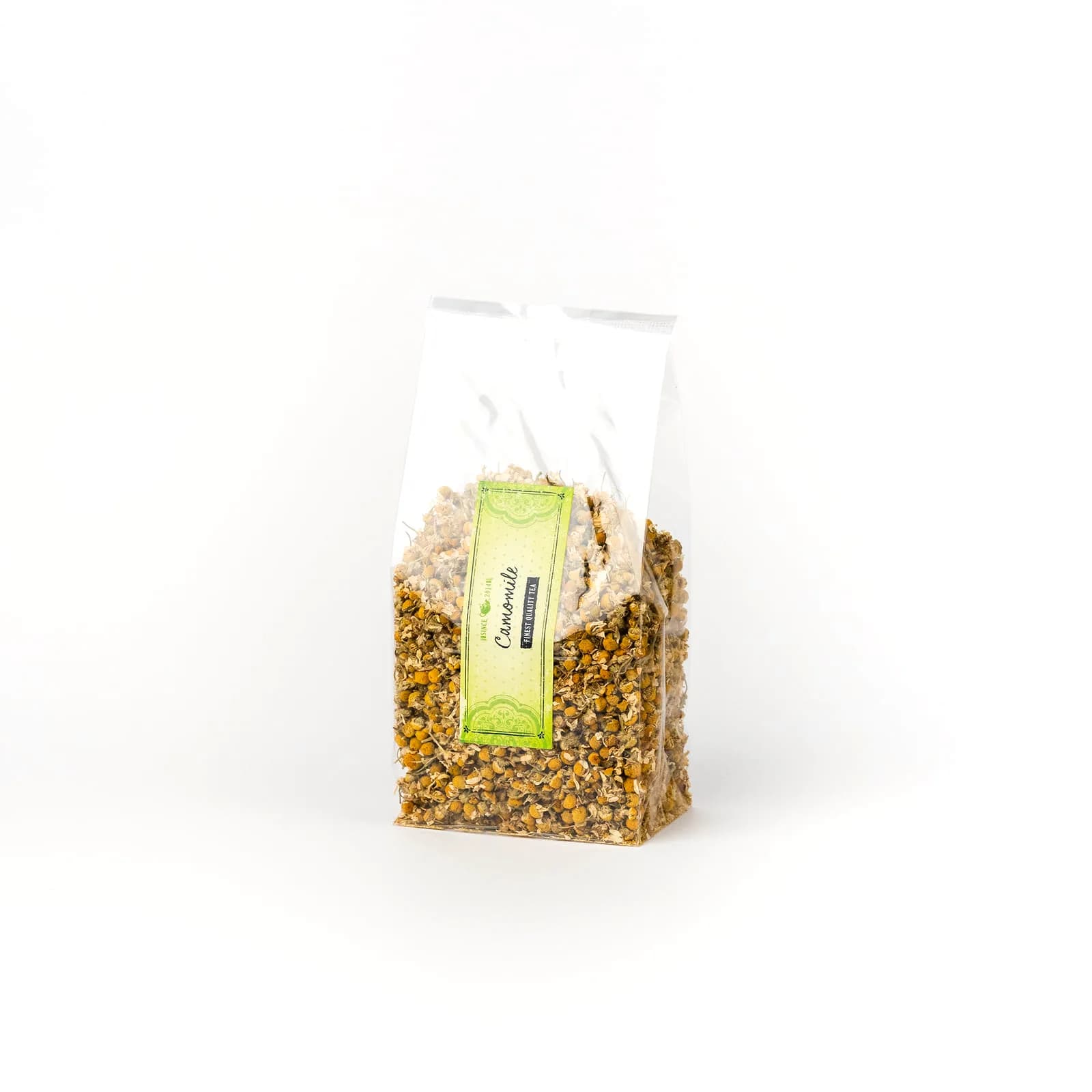
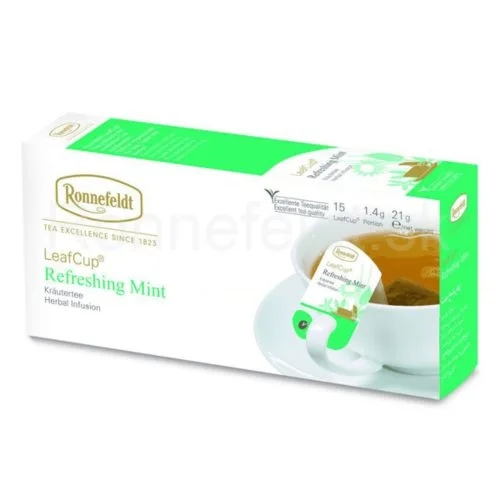
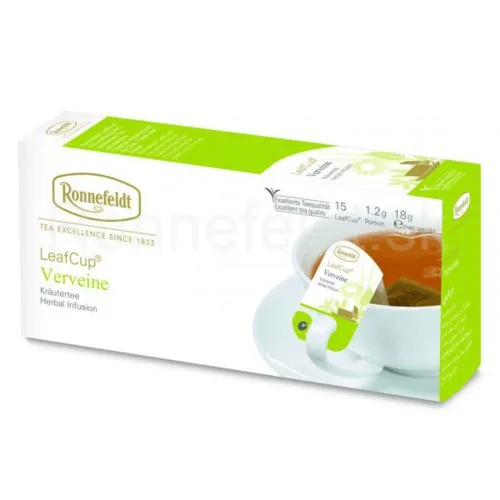
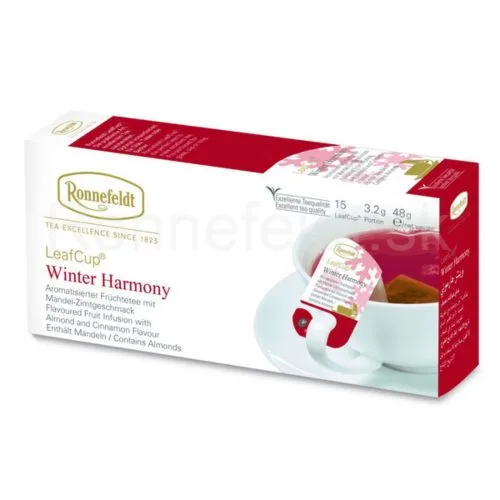
The range is wide: sweet chamomile calms and helps you fall asleep, fresh mint supports digestion after a meal, lemon verbena makes a pleasant end to the evening, and ginger blends bring warmth and comfort. For cold days we also have a warming winter blend with a sweet aroma of almonds and cinnamon.

Herbal teas suit anyone who wants to unwind in the evening, as well as families looking for a caffeine-free drink for any time of day.

06 · Tea type

Fruit tea

100 °C5–8 min6 teas available

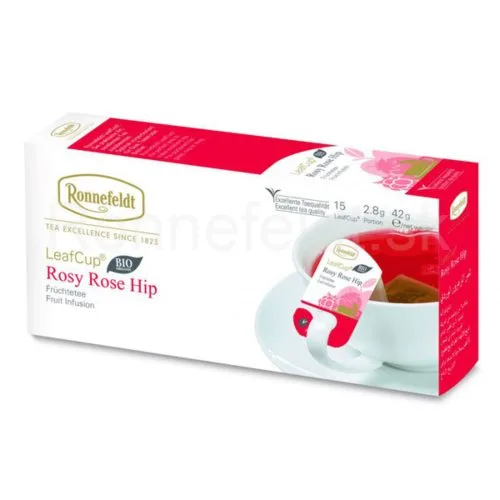
Fruit tea is an infusion of dried fruit, rosehips, and hibiscus — there is no tea plant in it, so it is completely caffeine-free. Drying concentrates the fruit sugars, which is why the brew is rich, sweetish, and beautifully colored without any added sugar.

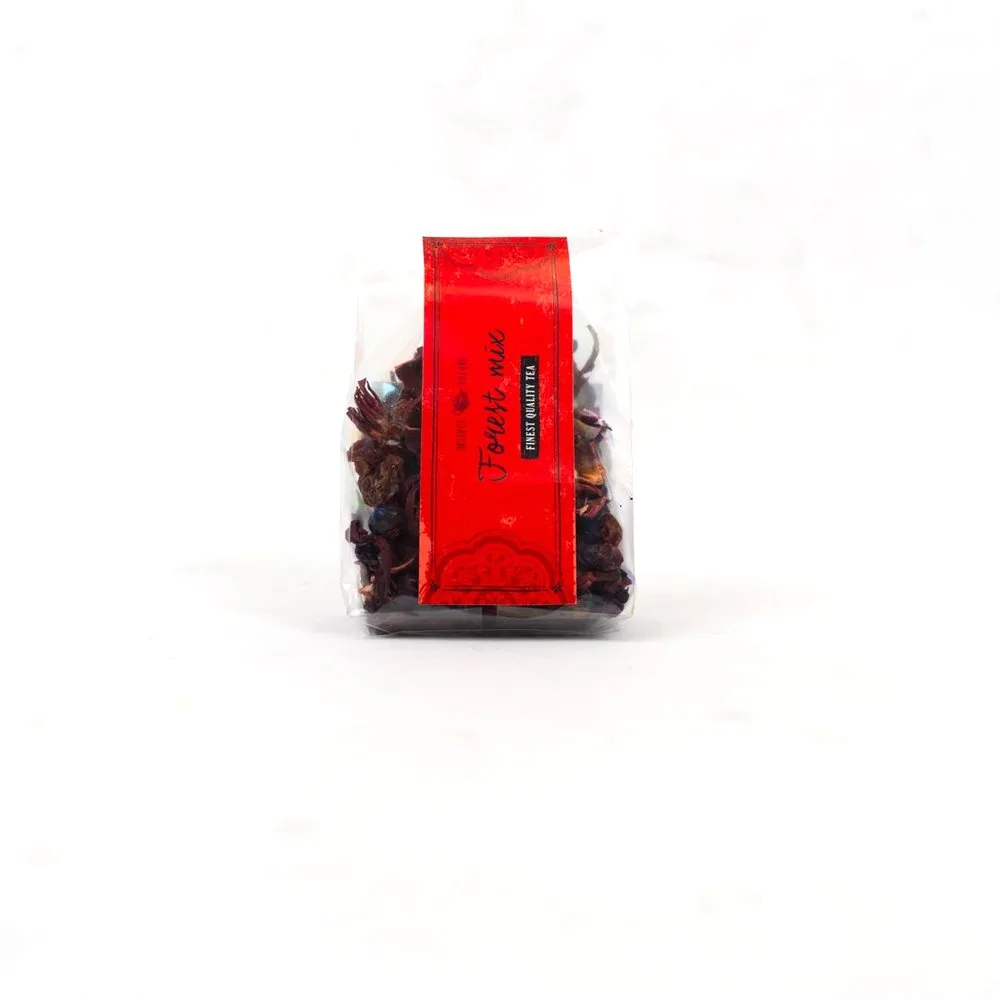
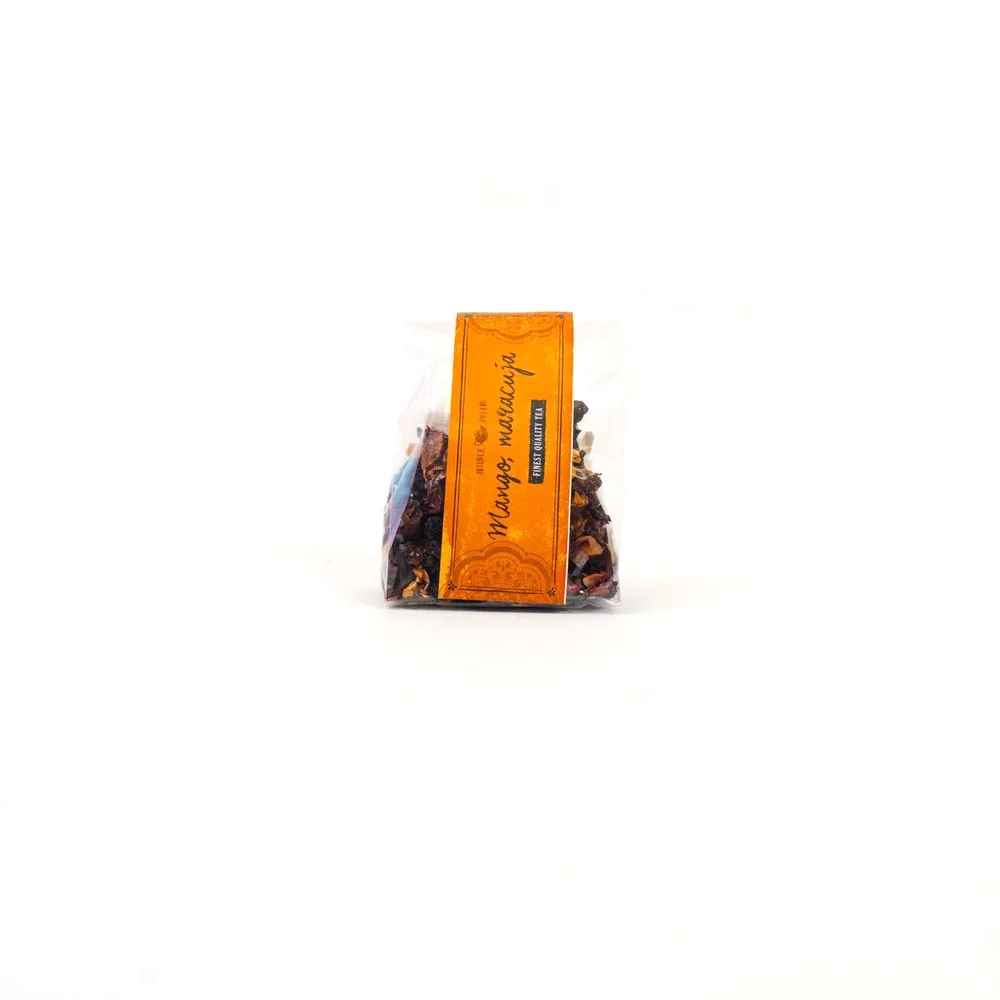
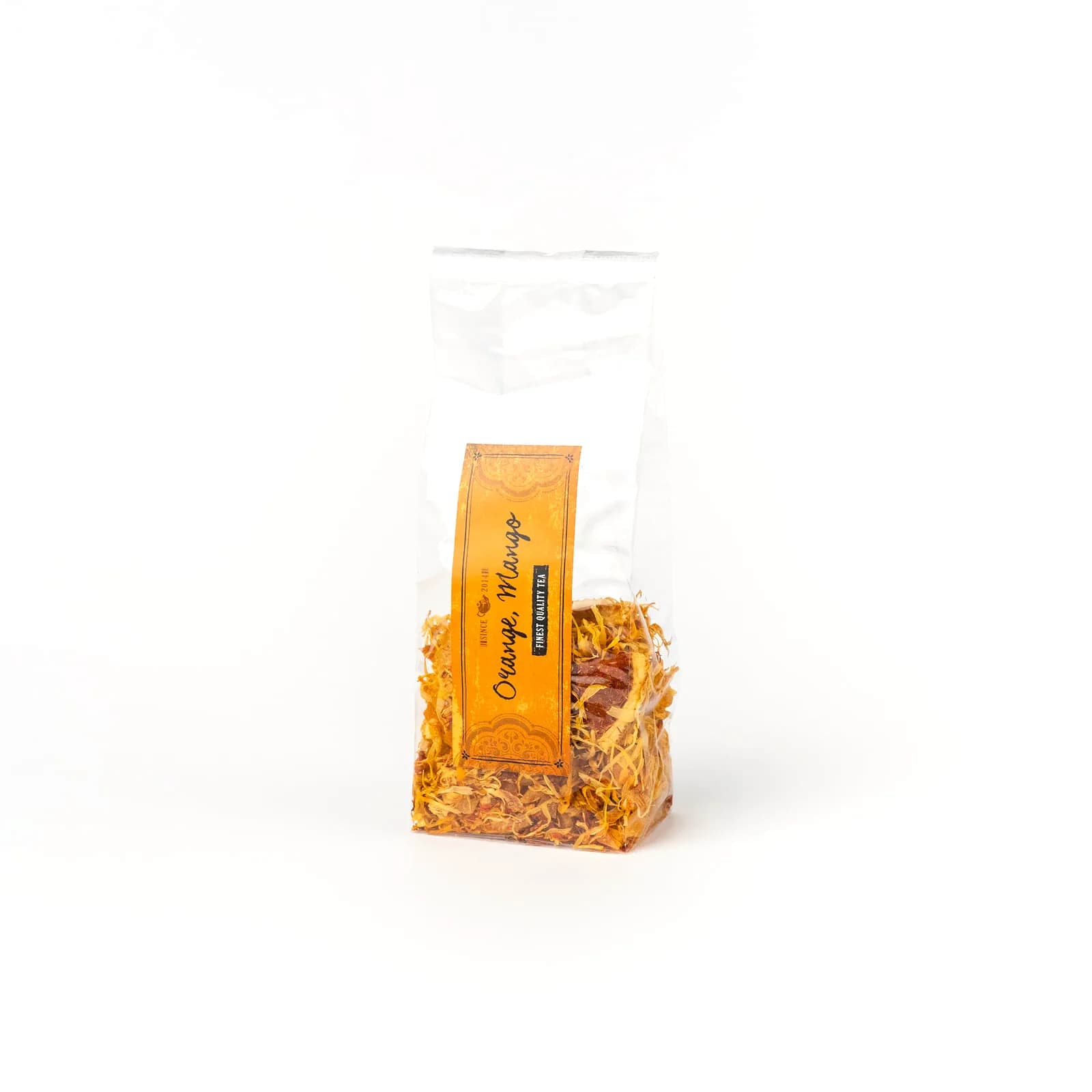
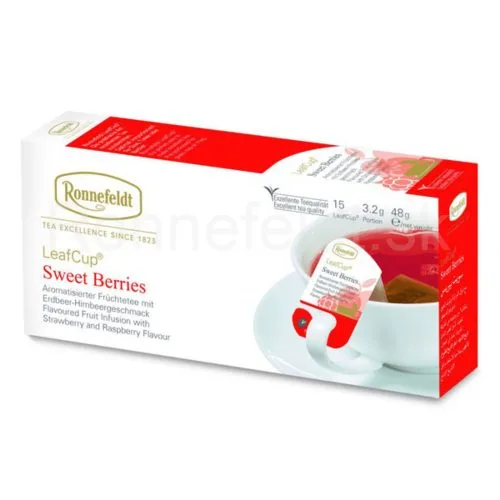
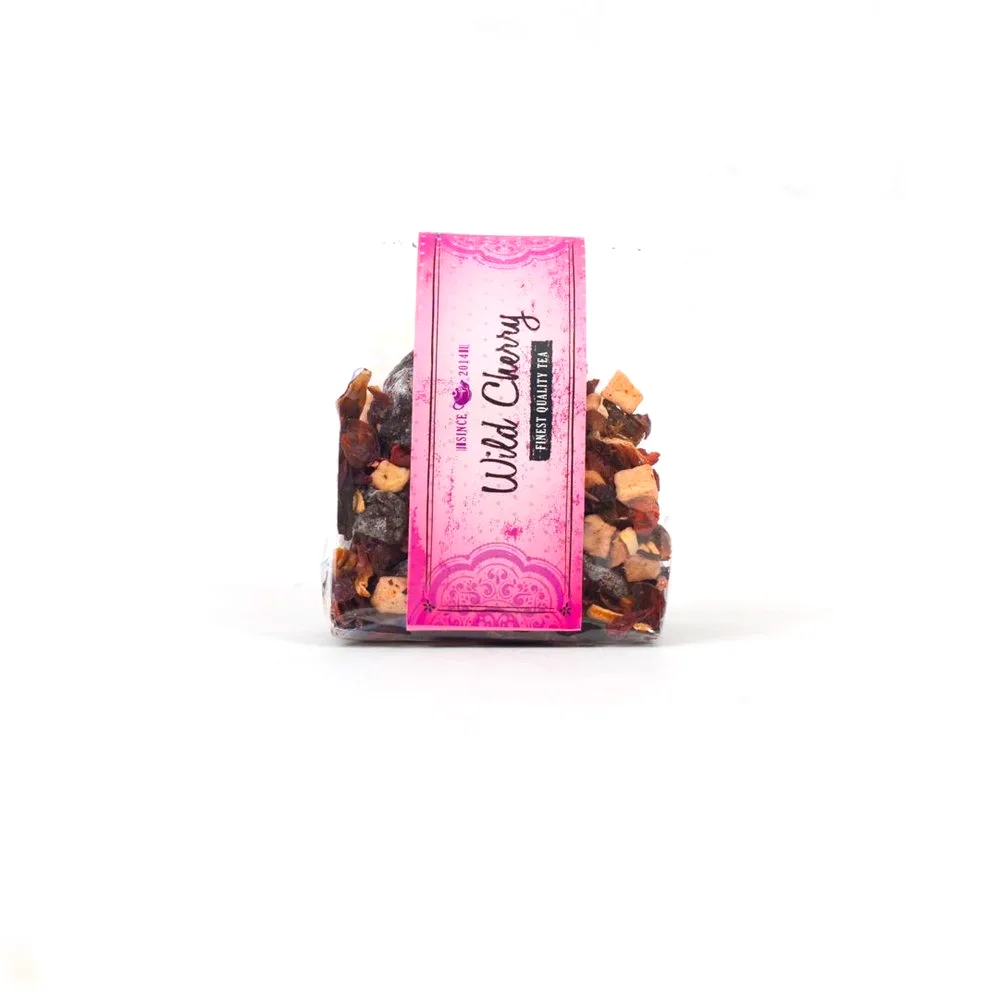
Our range includes berry blends with strawberry and raspberry notes, exotic blends with notes of mango, passion fruit, and orange, and a sour cherry blend on a hibiscus base. Pure rosehip stands out for its high vitamin C content and suits everyday drinking for the whole family.

Fruit teas taste great hot or as iced tea, which makes them perfect for summer. And since they contain no caffeine, they are suitable for kids too.

07 · Tea type

Cascara

90–95 °C4–6 min1 tea available

Cascara sits on the border between coffee and tea. It is an infusion of the dried husks of coffee cherries — the fruit of the coffee plant, not the beans, and not the tea plant. The husks, usually set aside during coffee processing, are dried and steeped like tea.

The flavor is reminiscent of dried fruit: in our cascara you will find notes of dried cherries, raisins, and caramel. It naturally contains caffeine, but less than coffee, which makes it a pleasant afternoon alternative to espresso.

As a roastery, we have a soft spot for cascara — it is the shortest path to getting to know the coffee plant from its fruity side. It suits curious coffee lovers and tea drinkers alike who want to try something new.

Cascara

An infusion of coffee cherry husks with notes of dried cherries, raisins and caramel. Contains caffeine — gentler than coffee.

08 · Tea type

Latte blends

70–80 °C (milk)stir into milk2 teas available

Latte blends are spice and tea blends made to go straight into milk — they are not steeped in a pot like regular tea; you stir them into hot or cold milk. The result is a creamy drink you can make at home without syrups.

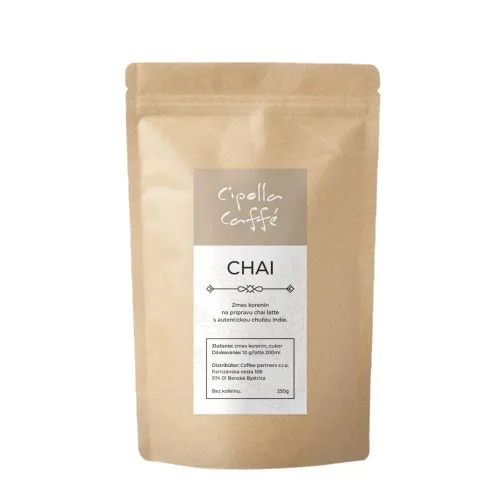
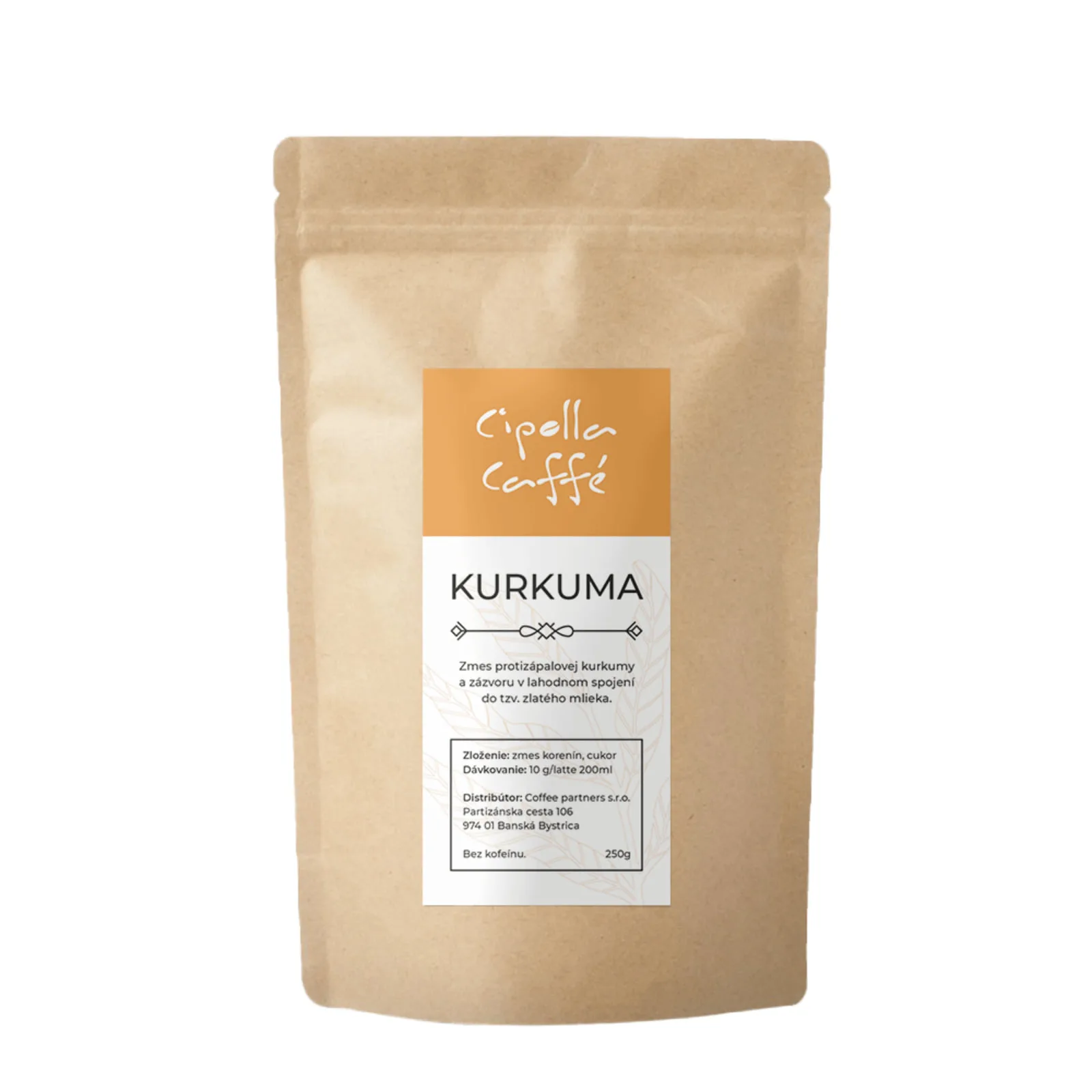
Chai latte is a spiced blend for the traditional milk drink — and if you add a shot of espresso to the cup, you get a dirty chai. Turmeric latte with wild turmeric makes golden milk, pleasantly spicy and warming. Both blends work in hot and cold preparation.

We recommend latte blends to anyone who loves café-style milk drinks and wants to enjoy them at home. The caffeine content depends on the base of the blend.

Brewing

Temperature and time matter

Two things matter with tea: water temperature and steeping time. Boiling water scalds green or white tea and makes the brew bitter, while herbal and fruit blends actually benefit from full heat. If you do not have a kettle with temperature control, let the boiled water sit for a moment. And time your steep — even quality tea loses its balance when over-steeped.

Green tea

70–80 °C

60 °C80 °C100 °C

2–3 min

Boiling water makes it bitter; quality leaves can handle several infusions.

Black tea

95–100 °C

60 °C80 °C100 °C

3–4 min

Bitterness rises with longer steeping; with milk it can take the full four minutes.

White tea

75–80 °C

60 °C80 °C100 °C

3–4 min

A delicate brew — give it a lower temperature and a bit of calm.

Matcha

70–80 °C

60 °C80 °C100 °C

not steeped — whisk the powder

Sift the powder and whisk it into a fine foam.

Herbal tea

100 °C

60 °C80 °C100 °C

5–8 min

Steep covered so the essential oils stay in the cup.

Fruit tea

100 °C

60 °C80 °C100 °C

5–8 min

Longer steeping deepens the color and sweetness; excellent as iced tea too.

Cascara

90–95 °C

60 °C80 °C100 °C

4–6 min

The husks can handle a second infusion; give the brew its full time.

Latte blends

70–80 °C (milk)

60 °C80 °C100 °C

stir into milk

Not steeped in water — stir straight into warm or cold milk.

Frequently asked questions

What you ask about tea

What is the difference between green and black tea?+

Both come from the same Camellia sinensis plant; the difference lies in the oxidation of the leaves. Green tea is heated shortly after harvest, which stops oxidation and keeps the flavor fresh and grassy. Black tea goes through full oxidation, which gives it a dark color, a full robust flavor, and more caffeine.

How much caffeine does tea have?+

It depends on the type and the preparation. Of the everyday teas, black has the most caffeine, while green gives a gentler, longer-lasting lift. White tea is often called the weakest, but that is more of a myth — its leaves can hold about as much caffeine as green tea; a gentle, lower-temperature preparation simply releases less of it into the brew. Matcha has more caffeine than regular green tea because you drink the whole ground leaf. Herbal and fruit teas contain no caffeine at all, and cascara has less than coffee.

How should I store loose leaf tea?+

In a well-sealed, opaque container, kept dry and dark, away from strong smells — tea leaves pick up odors easily, so do not keep them next to spices or coffee. Properly stored loose leaf tea holds its flavor and aroma for many months.

What is cascara?+

An infusion of the dried husks of coffee cherries — the fruit of the coffee plant. It is neither a tea from the tea plant nor coffee from the beans. The flavor is reminiscent of dried cherries, raisins, and caramel, and it naturally contains caffeine, though less than coffee. Steep it for 4 to 6 minutes in water at 90 to 95 °C.

How do I prepare matcha?+

Sift the powder into a bowl, pour in a small amount of water at 70 to 80 °C, and whisk it into a fine foam. For a matcha latte, top up the whisked base with warm or cold milk. Matcha is not steeped — you drink the whole ground leaf, so dose it sparingly.

Where to next

From leaf to cup — take your pick

You’ll find our full range of loose leaf teas, matcha, and latte blends in the e-shop. And if you’re curious where our coffee comes from, continue to the Coffee Atlas.