Honduras – The Coffee the World Overlooked for Too Long
While its neighbors were building famous names, Honduran coffee quietly ripened in cloud forests. Today Honduras ranks among the largest coffee producers in Central America, and its sweet, chocolate-and-caramel beans are winning over roasteries around the world — including ours.
The coffee belt · Honduras
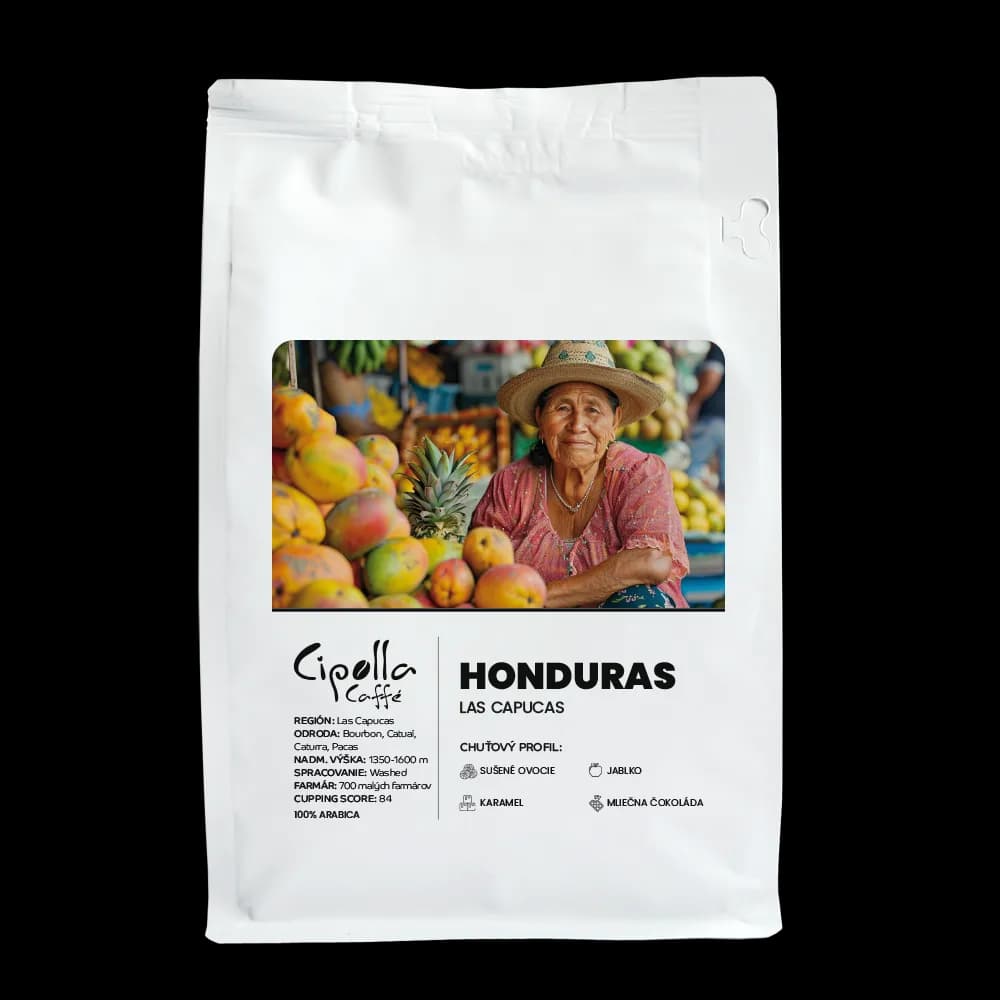
In the cup, expect apple and dried fruit on a caramel base, milk chocolate, and a creamy body.
Honduras Las Capucas handles both espresso and filter. In espresso, caramel and milk chocolate step forward, so the coffee also works beautifully with milk in a cappuccino or flat white. In filter brews the profile brightens up and apple with dried fruit take the stage.
The coffees we roast from here
What Honduras tastes like
For a long time, Honduras was the most overlooked coffee country in Central America. While neighboring Guatemala and Costa Rica built world-famous names, Honduran coffee was often exported without an identity of its own and ended up in blends under foreign flags. That has changed fundamentally over the past decades — the country bet on quality, grower education, and strong cooperatives, and today it ranks among the largest coffee producers in the region. Coffee from Honduras has finally earned the name it deserves.
Coffee trees in Honduras grow in the mountainous interior and in the west of the country, where humid air rises over the mountain ranges and forms cloud forests. High humidity has always made drying the beans difficult, so growers build solar dryers — covered tunnels where the coffee dries slowly and evenly. High-altitude plots with cool nights give the bean its density, while mineral-rich soil provides the sweetness so typical of Honduran coffee.
In the cup, Honduras is a country of sweetness: milk chocolate, caramel, apple, and dried fruit make up a profile that pleases demanding drinkers without putting anyone off. The acidity tends to be softer than in Guatemalan or Costa Rican beans, the body medium and creamy. That is exactly why Honduran coffee beans are a great choice for everyday espresso — with or without milk. It is not a coffee that shows off; it is a coffee people keep coming back to, because it tastes reliably good every morning.
Honduran coffee stands on small family farms that band together in cooperatives — these take care of processing, certifications, and sales. The washed method prevails: after hand picking, the cherries are depulped, fermented, and rinsed, so the flavor stays clean and easy to read. Many cooperatives work under Fair Trade and organic schemes, which guarantees growers fair purchase prices and gives buyers a transparent coffee origin from the shrub all the way to the bag in the roastery.
Although Honduras is now the largest coffee producer in Central America, for a long time it was barely visible on the coffee map — the harvest was sold across the borders under foreign names. Honduran coffee only won a name of its own in recent decades.
Regions and farms
Our Honduran coffee comes from the Las Capucas region in Copán, western Honduras, near the border with Guatemala and the Celaque mountain range. Behind Honduras Las Capucas stand roughly 700 small farmers united in the COCAFCAL cooperative, founded in 1999 and one of the first registered coffee cooperatives in the country with Fair Trade and organic certifications. The Bourbon, Catuai, Caturra, and Pacas varieties ripen here in a cloud forest area, and the coffee scored 84 points at cupping.
Honduras Las Capucas
- Farmer
- 700 smallholder farmers
- Variety
- Bourbon, Catuai, Caturra, Pacas
- Altitude
- 1,350–1,600 m a.s.l.
- Processing
- Washed
- Cupping score
- 84 / 100
Behind this coffee stand roughly 700 smallholder farmers united in the Las Capucas cooperative (COCAFCAL) in the Copán region of western Honduras. Founded in 1999, it was among the first registered coffee cooperatives in Honduras with Fair Trade and organic certifications, and it grows its coffee in cloud forest country.
From green bean to your cup
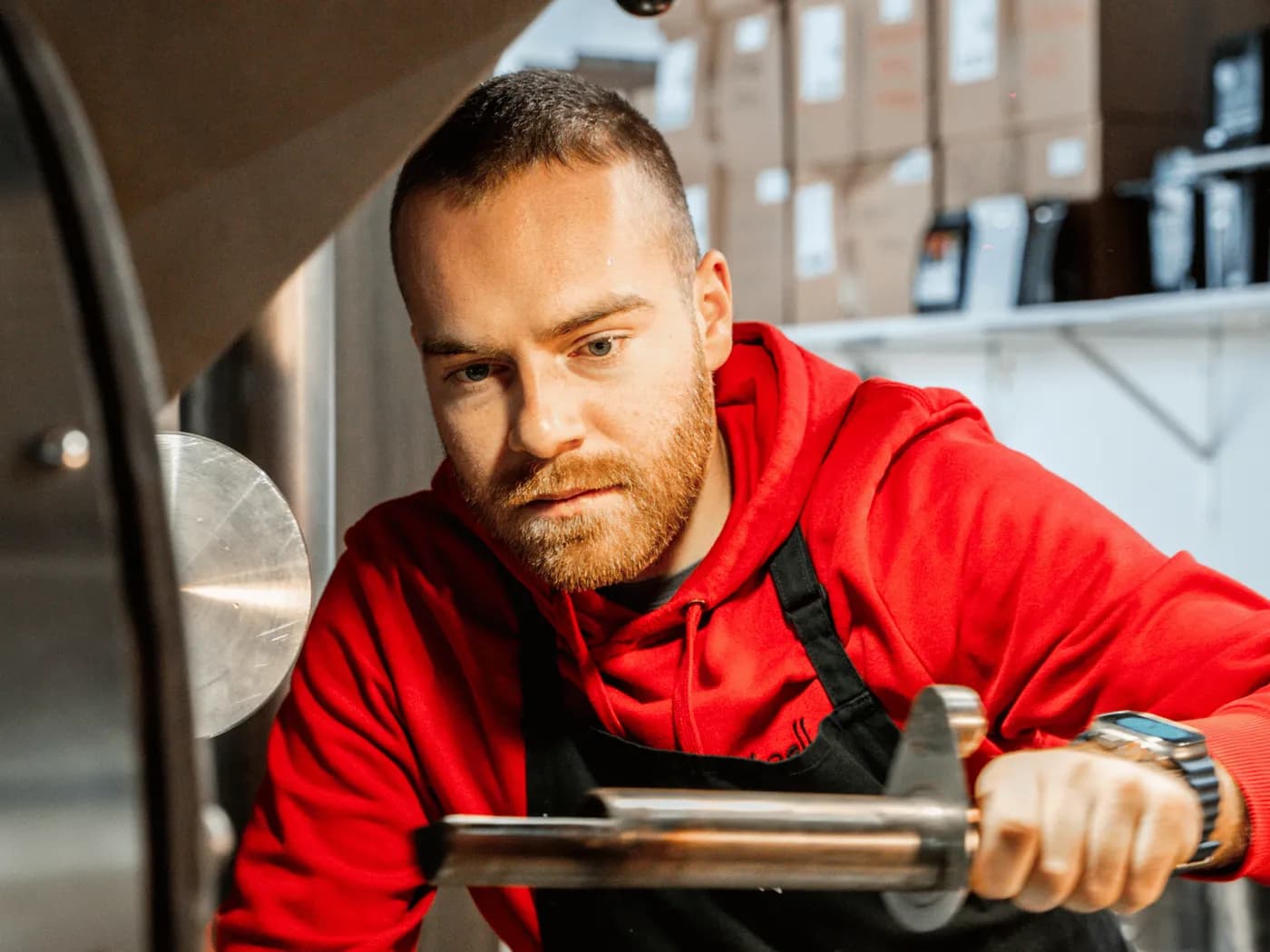
We roast coffees from across the coffee belt in our own roastery in Banská Bystrica and ship them all over Slovakia. And if you want to get more out of every cup, come try your hand at brewing in our Barista Academy.
Where to go next on the map
Click any dot to open the story of another origin country — the number in the dot tells you how many of its coffees we’re roasting right now.
What you ask us
What does coffee from Honduras taste like?+
Sweet and approachable. The profile builds on milk chocolate and caramel, complemented by apple and dried fruit; the acidity is soft and the body creamy. It is a typical everyday coffee — easy to brew, yet with an honest Central American character.
What is the Las Capucas cooperative?+
Cooperativa Cafetalera Capucas (COCAFCAL) was founded in 1999 in the Copán region and was one of the first registered coffee cooperatives in Honduras with Fair Trade and organic certifications. Today it unites hundreds of small growers; roughly 700 of them stand behind our coffee. The coffee trees grow in a cloud forest area near the Celaque mountain range.
Is Honduran coffee good for espresso with milk?+
Yes, it is one of the best choices. The caramel-chocolate base blends naturally with milk, so a cappuccino or flat white made from it tastes sweet and full even without sugar. The medium roast also keeps bitterness in check.
Why was Honduran coffee unknown for so long?+
In the past, a large share of the harvest was exported without its own label, and the world knew it under the names of neighboring countries. Only investments in quality, cooperatives, and certifications over recent decades put Honduran coffee on labels under its own name — and it turned out that a remarkably honest bean had been hiding behind it.