
Costa Rica – Coffee Without Compromise
A country that protected coffee quality by law for decades gave the world micro-mills and daring fermentations alike. Our two coffees from the famous Tarrazú region show both faces of Costa Rica — classic washed purity and an anaerobic experiment.
The coffee belt · Costa Rica
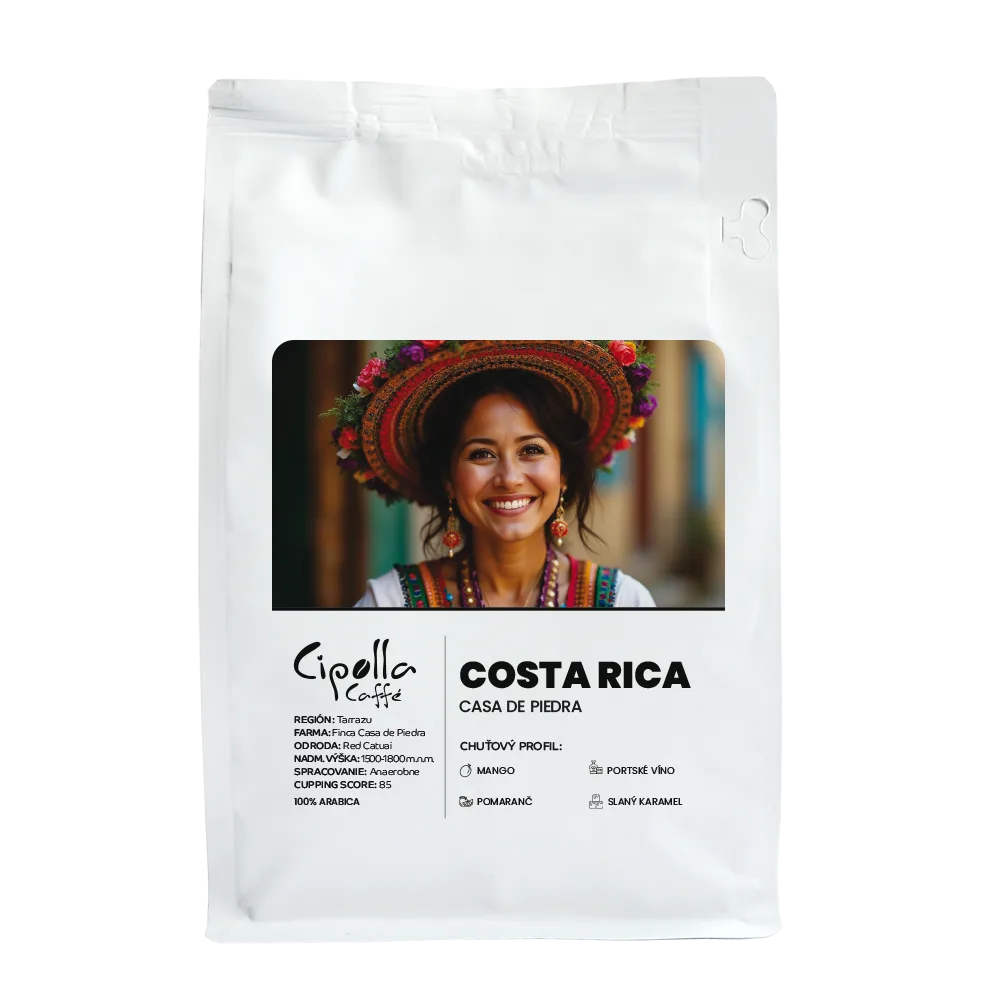
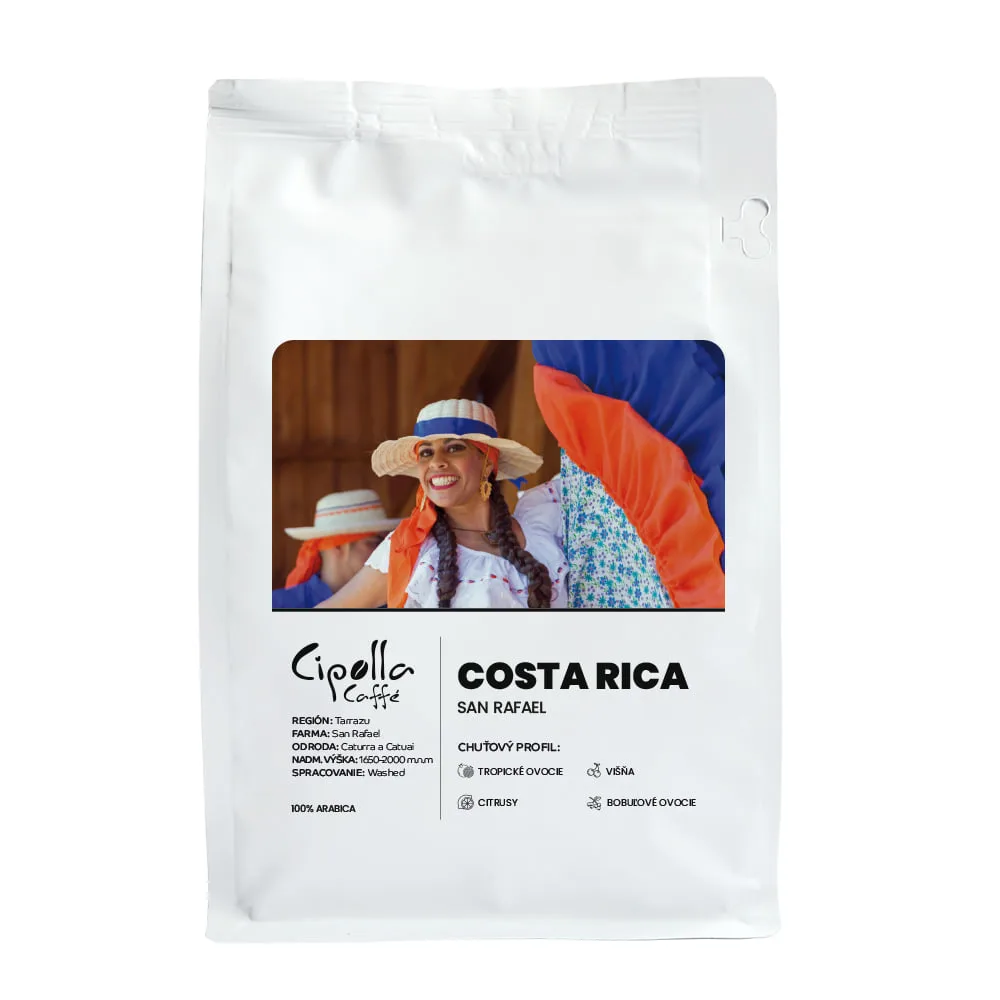
Expect citrus, berries, and sour cherry in the cup; with anaerobic fermentation, mango, port wine, and salted caramel join in.
We recommend both Costa Rican coffees above all for filter brewing — the lighter-to-medium roast and lively acidity open up fully in pour-over methods. You can pull espresso from them too, just expect a juicy, fruity shot rather than classic bittersweet chocolate.
The coffees we roast from here
What Costa Rica tastes like
In Costa Rica, coffee is called grano de oro — the golden bean. Since the nineteenth century it has funded schools, railways, and theaters, and the country repaid it with an approach that has no parallel: quality was protected by law for decades, and virtually nothing but Arabica was allowed to be grown. Costa Rican coffee thus earned a reputation as one of the world's most reliable origins — with a bean from Costa Rica, you know it has passed strict checks all the way from farm to export.
The coffee trees grow in the highlands of the country's central region, most famously in Tarrazú, south of the capital San José. Cool nights at high altitude slow the ripening of the cherries and the bean gains exceptional density — the best coffees carry the SHB designation, Strictly Hard Bean. Volcanic soil adds mineral depth, and the regular alternation of rainy and dry seasons favors even ripening and harvesting.
In flavor, Costa Rican coffee is bright and clean: citrus, berries, sour cherry, and tropical notes over a sweet base. Modern processing methods add new layers — anaerobic fermentation, in which the beans ferment without access to oxygen, brings mango, port wine, or salted caramel into the cup. It is a coffee for anyone who wants to taste how far the world of specialty coffee has come without losing their footing.
Costa Rica's reputation also rests on micro-mills — small family processing stations that let farmers process their harvest on their own terms and sell it under the farm's name rather than anonymously. It was the micro-mills that launched the wave of fermentation and drying experiments thanks to which Costa Rica now ranks among the most innovative coffee countries in the world. The standard, though, remains the honest washed method, which keeps the flavor clean and bright.
Costa Rica gave the world honey processing, in which the beans dry with part of the sweet, honey-like fruit pulp still on. And for three decades the law allowed only Arabica — growing Robusta was banned in 1988, and the ban was not relaxed until 2018.
Regions and farms
Both of our Costa Rican coffees come from the Tarrazú region, which has held a protected designation of origin since 2019. Costa Rica Casa del Piedra from Finca Casa de Piedra is a Red Catuai variety processed by anaerobic fermentation and rated 85 points at cupping. Costa Rica Tarrazu San Rafael from the San Rafael farm grows at 1,650 to 2,000 meters, and the classic washed method lets its citrus and berry notes shine.
Finca Casa de Piedra
- Variety
- Red Catuai
- Altitude
- 1,500–1,800 m a.s.l.
- Processing
- Anaerobic fermentation
- Cupping score
- 85 / 100
Finca Casa de Piedra lies in the famous Tarrazú region, the heart of one of the world's most prestigious coffee countries — in Costa Rica, growing Robusta was even banned by law for decades. The Red Catuai beans here undergo modern anaerobic fermentation, which gives the coffee a distinctly fruity profile.
San Rafael
- Variety
- Caturra, Catuai
- Altitude
- 1,650–2,000 m a.s.l.
- Processing
- Washed
The Tarrazú region south of the capital San José is one of the world's most celebrated coffee areas and has carried a protected designation of origin since 2019. Cool nights at high altitude slow the ripening of the cherries, producing exceptionally dense, hard beans (SHB) that the San Rafael farm processes using the classic washed method.
From green bean to your cup
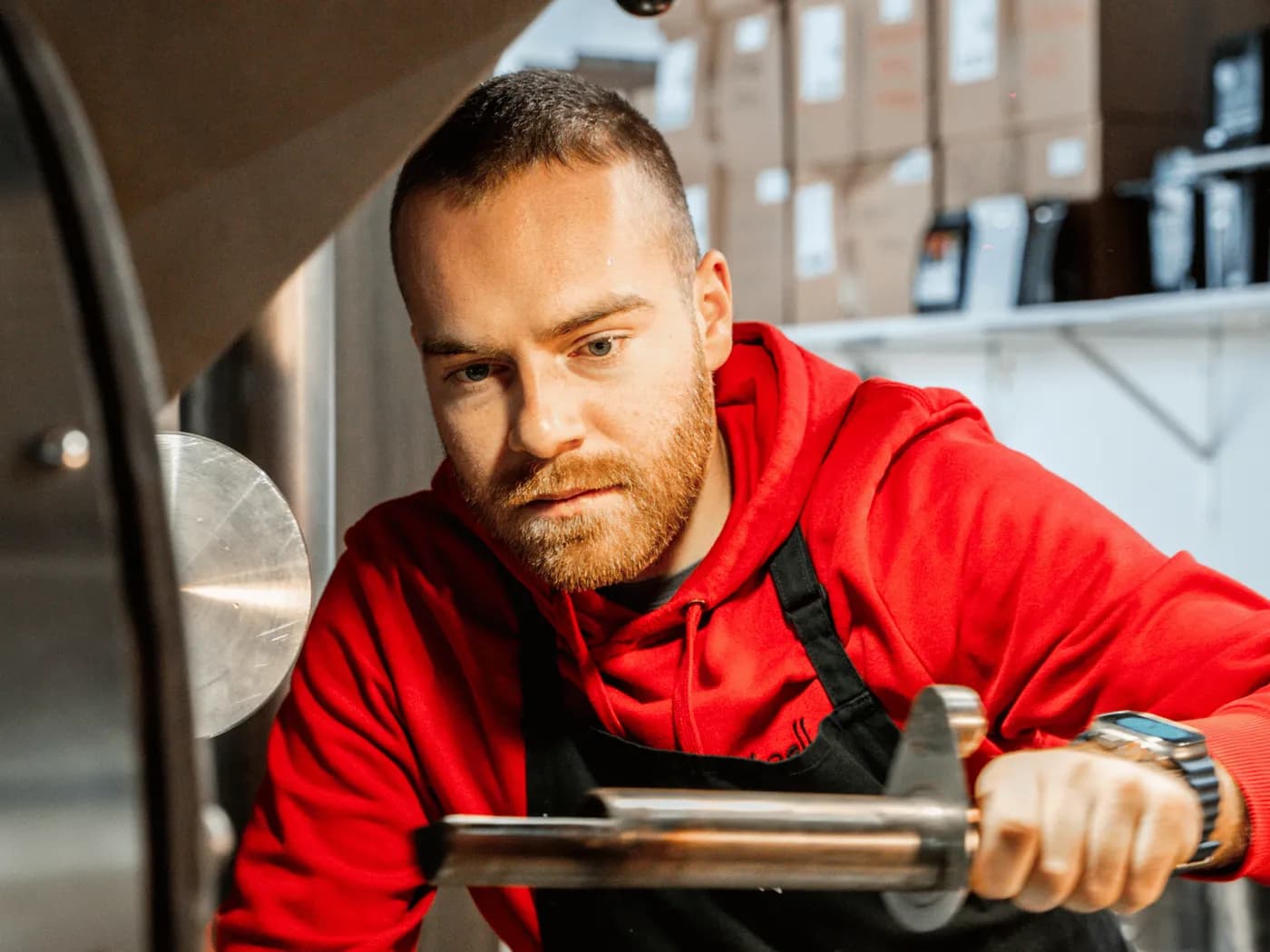
We roast coffees from across the coffee belt in our own roastery in Banská Bystrica and ship them all over Slovakia. And if you want to get more out of every cup, come try your hand at brewing in our Barista Academy.
Where to go next on the map
Click any dot to open the story of another origin country — the number in the dot tells you how many of its coffees we’re roasting right now.
What you ask us
What does Costa Rican coffee taste like?+
Bright, clean, and fruity. High altitudes and dense SHB beans give it lively acidity with citrus, berries, and tropical fruit over a sweet base. Coffees from anaerobic fermentation add pronounced notes of mango, port wine, and salted caramel.
What makes the Tarrazú region special?+
Tarrazú, south of San José, ranks among the most famous coffee regions in the world and has held a protected designation of origin since 2019. Cool nights at high altitude slow the ripening of the cherries, producing exceptionally dense, hard SHB beans. Both of our Costa Rican coffees come from right there.
What is anaerobic fermentation?+
The beans ferment in sealed tanks without access to oxygen, which gives the coffee a bold, complex profile. Thanks to it, our Costa Rica Casa del Piedra offers mango, salted caramel, port wine, and orange — it scored 85 points at cupping. It is one of the most daring coffees in our lineup.
Is Costa Rican coffee good for espresso?+
You can make it as espresso, but its real strength is filter. The lighter-to-medium roast and lively acidity shine in pour-over coffee; as espresso it will be juicy and fruity, not chocolatey and bittersweet. If you love classic espresso, reach for our beans from Honduras or Guatemala instead.