Cuba – A Rare Bean from the Sierra Maestra Mountains
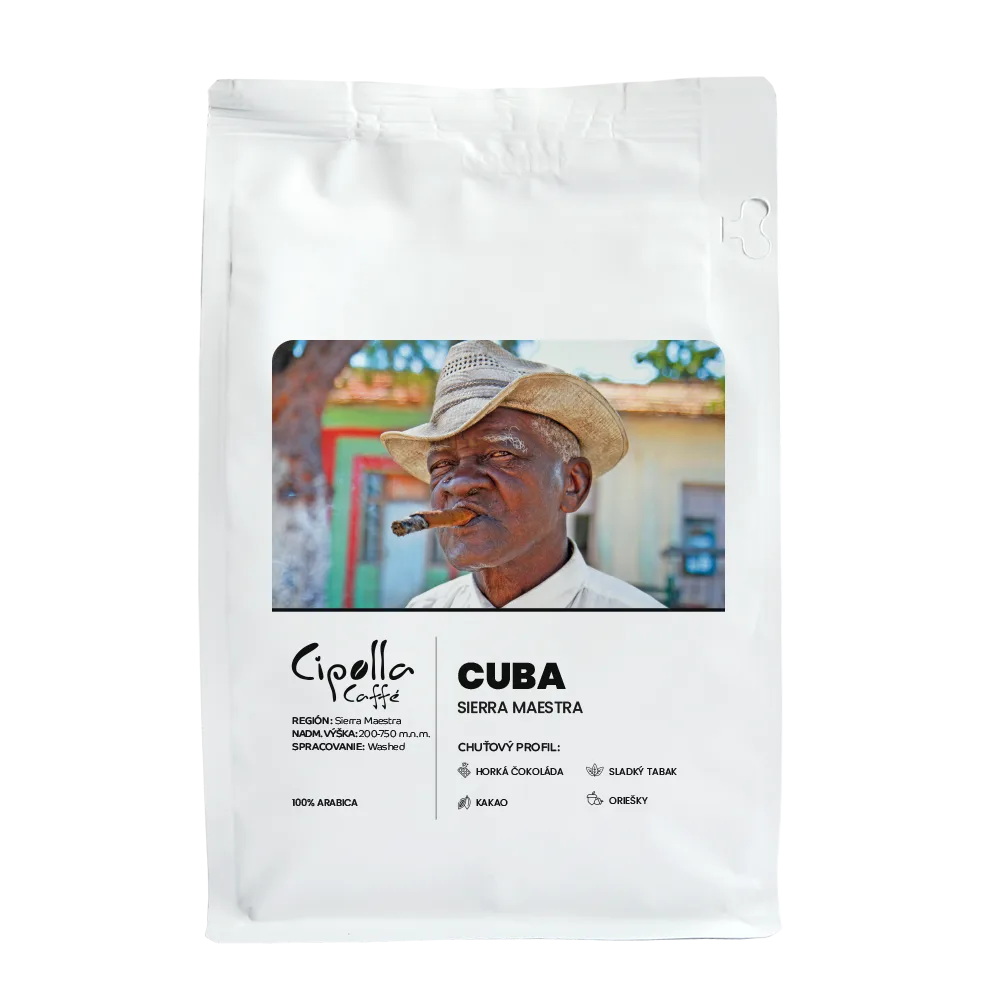
Cuban coffee is a rarity on the world market today. Our Cuba Serrano Lavado comes from the Sierra Maestra mountains in the island's southeast, where coffee has been grown since the eighteenth century. In the cup it delivers full body, cocoa, dark chocolate, and a note of sweet tobacco.
The coffee belt · Cuba
Expect dark chocolate, cocoa, and sweet tobacco in the cup – a full, smooth coffee with low acidity and a long finish.
Cuba Serrano Lavado was made for espresso and the moka pot – pressure and higher temperature draw out its cocoa, full body, and long finish. Light filter brews do not suit it; its strength lies in density and dark notes. It takes milk beautifully – a cortado with it tastes like dessert.
The coffees we roast from here
What Cuba tastes like
Coffee reached Cuba during the eighteenth century, and its real boom came when French planters fled to the island from Haiti. They brought plantation experience and a love of the craft, and in the mountains of eastern Cuba they built coffee estates whose traces survive in the landscape to this day. Coffee has been an inseparable part of Cuban life ever since – a strong, sweet cup is the island's gesture of hospitality, drunk on every occasion from morning till late evening.
Our Cuba Serrano Lavado grows in the Sierra Maestra range in the island's southeast, Cuba's highest mountains. The coffee trees grow at roughly two hundred to seven hundred meters above sea level, mountain forests shield them from the fierce Caribbean sun, and soil rich in copper and manganese leaves its mark on the depth and earthiness of the flavor. The main variety grown here is the old Typica, which ripens slowly and calmly – and it is precisely this patience that produces the full, smooth cup you expect from Cuban coffee.
Cuban coffee is the exact opposite of light, fruity African coffees. It is defined by low acidity, a full, almost syrupy body, and a dark flavor register: dark chocolate, cocoa, nuts, and the signature note of sweet tobacco that lends it old-world charm. It is a coffee for slow sipping – as espresso it evokes the atmosphere of Havana cafés, where nobody is in a hurry and the cup is above all a reason for conversation. If you love darker, more powerful coffees, you have found your island.
On the steep slopes of the Sierra Maestra, the cherries are picked by hand and processed by the washed method – lavado in Spanish, hence the second half of our coffee's name. Serrano, in turn, means mountain-grown: it is the traditional Cuban term for beans from the eastern ranges. Washed processing gives the bean a cleanness that lets the dark notes shine without distracting flavors. Cuban production is small today – Cubans themselves would drink more than the island grows – so only a fraction reaches the world market. Every shipment of Cuban coffee is therefore a small event – and we are glad we can roast it fresh for you.
The landscape of the first coffee plantations in southeastern Cuba has been a UNESCO World Heritage Site since 2000 – the ruins of more than 170 nineteenth-century coffee estates still recall the pioneering beginnings of coffee growing in the Cuban mountains.
Regions and farms
Cuba's coffee-growing areas stretch across the mountains in the island's east. Our Cuba Serrano Lavado comes from the Sierra Maestra – Cuba's highest mountains and the cradle of coffee growing on the island, where the cherries are still picked by hand and processed by the washed method.
Cuba Serrano Lavado
- Altitude
- 200–700 m a.s.l.
- Processing
- Washed
Coffee has been grown in the Sierra Maestra mountains of southeastern Cuba since the 18th century — the plantations were founded by French growers who fled Haiti. To this day the cherries are picked by hand and processed by the washed method (lavado); Cuban production is small these days, which makes it all the more precious.
From green bean to your cup
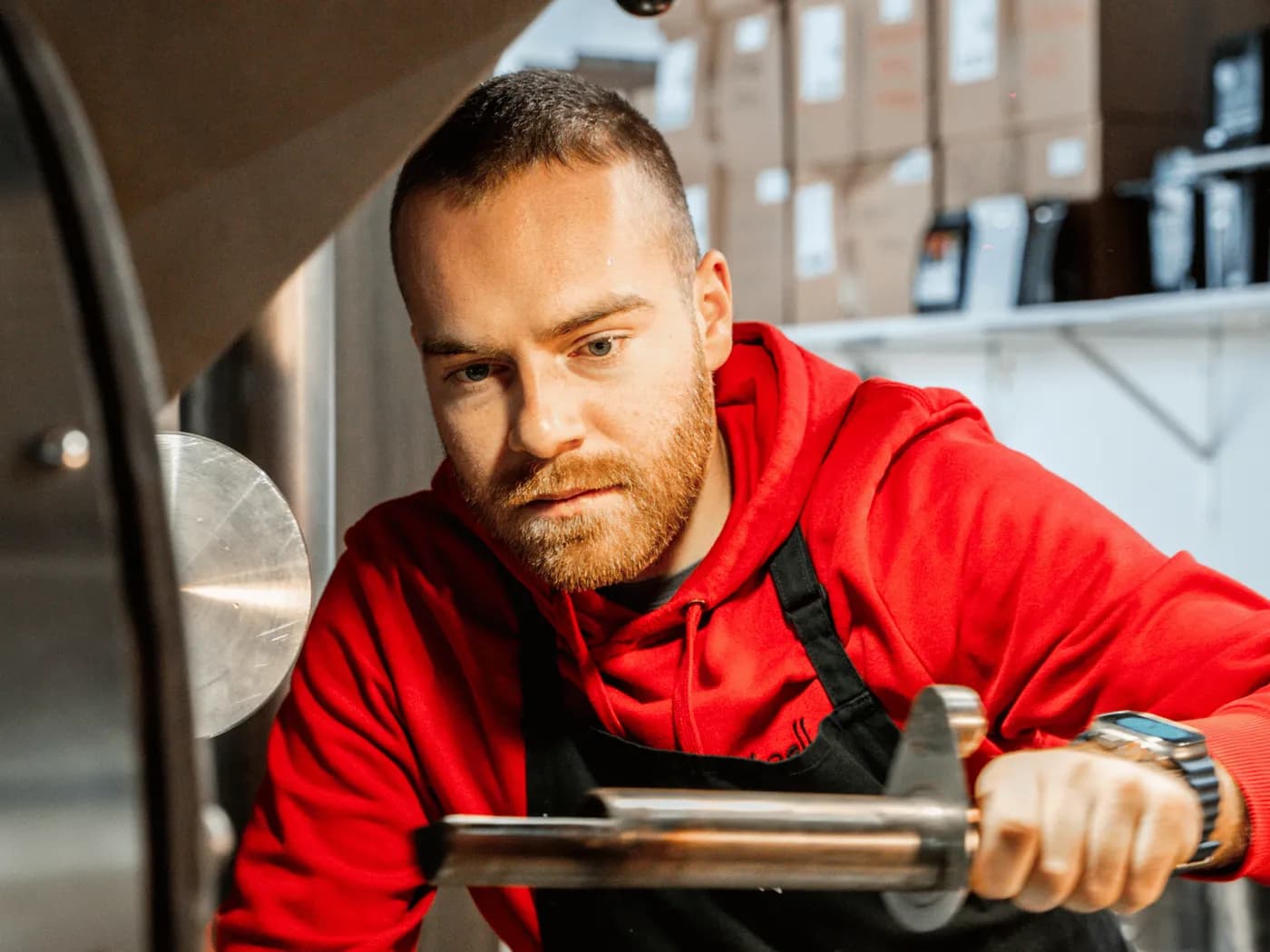
We roast coffees from across the coffee belt in our own roastery in Banská Bystrica and ship them all over Slovakia. And if you want to get more out of every cup, come try your hand at brewing in our Barista Academy.
Where to go next on the map
Click any dot to open the story of another origin country — the number in the dot tells you how many of its coffees we’re roasting right now.
What you ask us
What does Cuban coffee taste like?+
Full, dark, and smooth. The typical profile is dark chocolate, cocoa, nuts, and sweet tobacco, with low acidity. It is a coffee for lovers of strong espresso and honest body.
Why is coffee from Cuba so rare?+
Cuban production is small today – there is less of it than Cubans themselves would drink. Only a fraction reaches the world market, and it comes from mountain areas where everything is picked by hand. That is why Cuban coffee appears in roasters' lineups only sporadically.
Is Cuban coffee acidic?+
No, quite the opposite. It is marked by low acidity and a dark profile of cocoa, nuts, and sweet tobacco. If brighter, more acidic light roasts are not your thing, Cuban Arabica will be a pleasant choice.
How do people drink coffee in Cuba?+
Most often as a cafecito – a small, strong espresso sweetened with cane sugar right during brewing, served to guests as a welcome. In Cuba, coffee comes with a slow pace and conversation; the same calm suits our Serrano Lavado too.