
Rwanda – Coffee from the Land of a Thousand Hills
On the steep slopes of Rwanda's hills grows Bourbon Arabica, processed by communal washing stations in the mountains. Our coffees come from the Ngamba and Humure stations, and we freshly roast both in Banská Bystrica.
The coffee belt · Rwanda
Rwandan coffee brings rhubarb, citrus, and black tea to the cup; with anaerobic fermentation, tropical fruit, blackberries, and hibiscus join in.
We recommend both Rwandan coffees first and foremost for filter – the clean profile of the washed Ngamba and the fruity intensity of Humure unfold most beautifully there. They work as espresso too: Ngamba gives an elegant, tea-like cup, while Humure delivers a bold fruity shot that will surprise even experienced baristas.
The coffees we roast from here
What Rwanda tastes like
Coffee was brought to Rwanda by missionaries in the early twentieth century, and for long decades it was grown mainly as an ordinary commodity crop. The turning point came after the tragic events of the 1990s – the country decided to bet on quality instead of quantity, and coffee became one of the symbols of its renewal. Communal washing stations sprang up across the country, around which thousands of small farmers come together, and within a single generation Rwandan coffee worked its way up from anonymity to become a sought-after specialty origin.
The nickname “land of a thousand hills” is no poetic license – Rwanda is one continuous highland, and coffee grows here on steep slopes at roughly 1,400 to 1,800 m above sea level. An equatorial climate tempered by altitude means stable temperatures all year round, cool nights, and slow cherry ripening. Cultivation is dominated by the Bourbon variety, which develops a delicate sweetness and a clean, elegant profile in these conditions – exactly what made Rwandan coffee a favorite of specialty roasters.
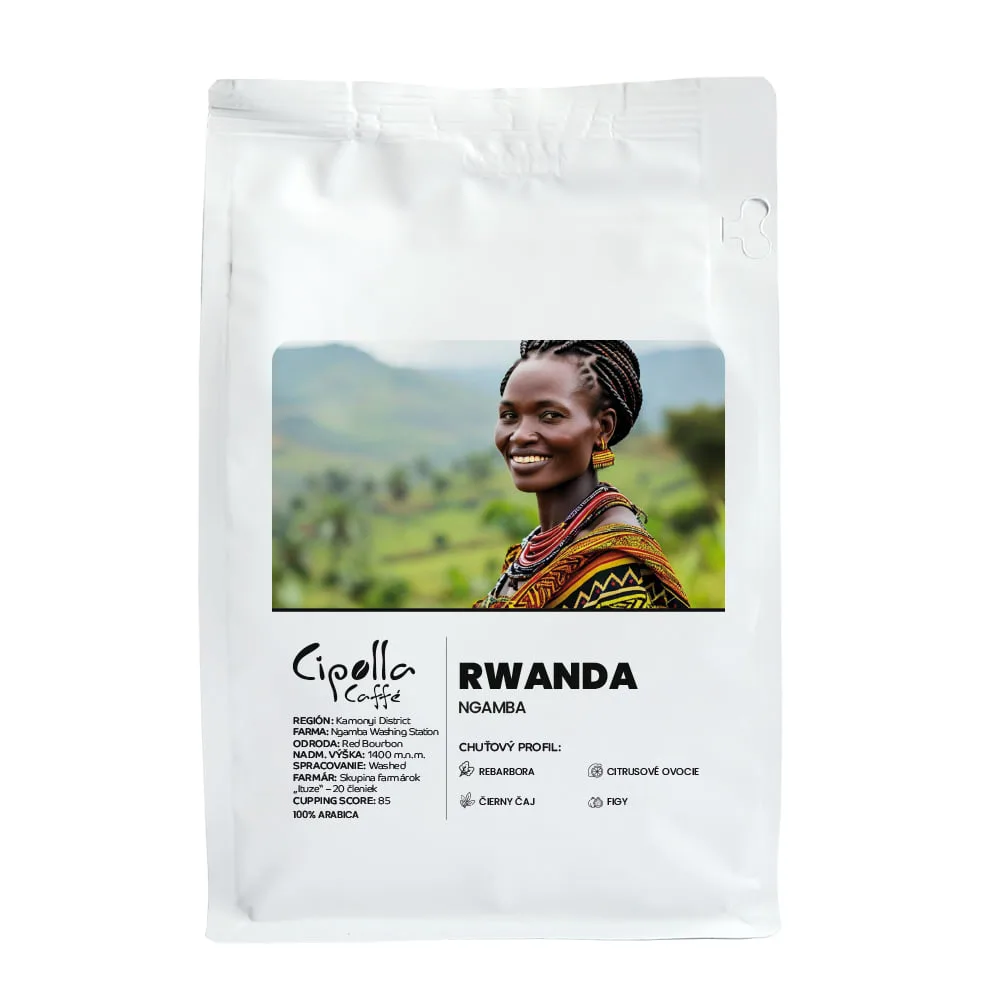
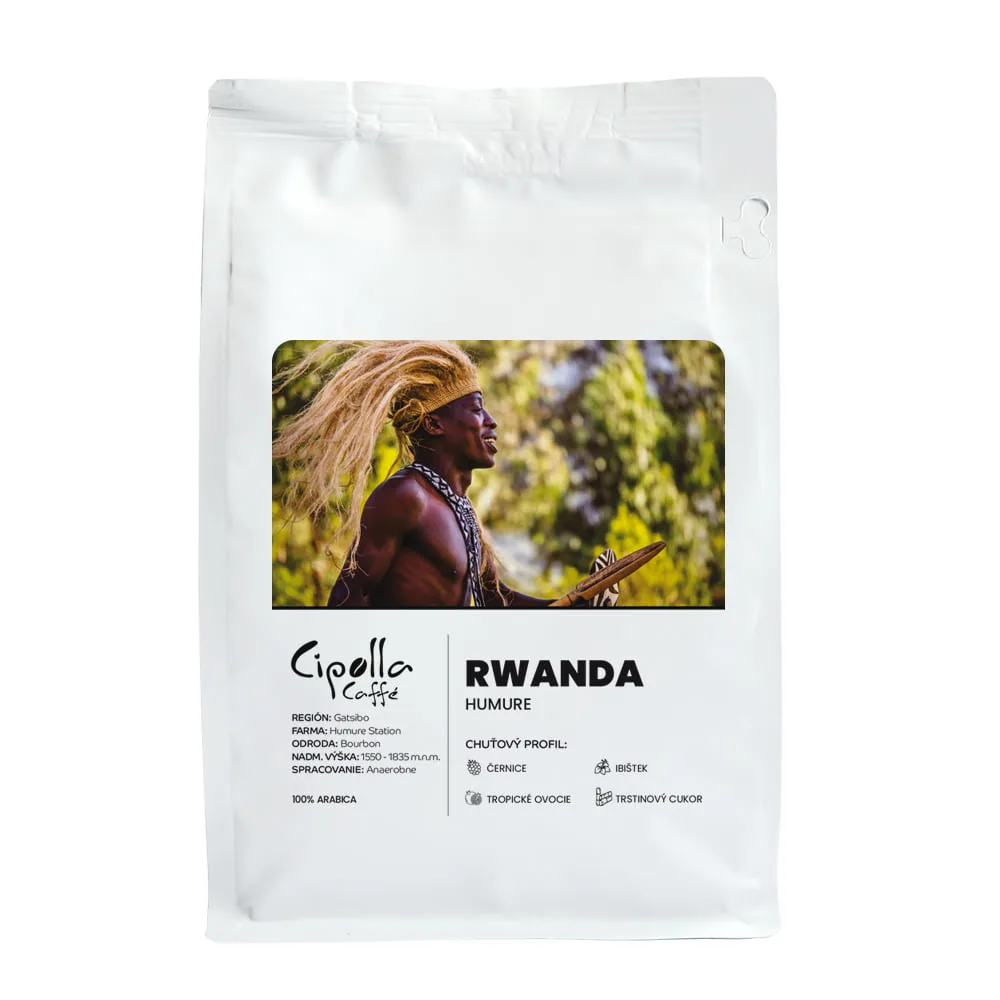
In flavor, Rwandan coffee is gentler and silkier than its East African neighbors. Our Rwanda Ngamba from Kamonyi District brings rhubarb, citrus fruit, black tea, and figs – the clean profile of a classic washed coffee. Rwanda Humure from Gatsibo District shows the country's more modern face: anaerobic fermentation has given it notes of cane sugar, hibiscus, tropical fruit, and blackberries. Two coffees from one country, two distinctly different experiences in the cup – and both 100% high-grown Arabica.
Behind the quality of Rwandan coffee stand the communal wet mills known as washing stations. Small farmers, who often tend just modest plots on the hillsides, bring in their hand-picked cherries and the station takes care of the processing. Coffee growing here is also very much a women's affair: the cherries for our Ngamba are supplied by the Ituze group of women farmers, and the Humure station – part of the Baho Coffee network, collecting the harvest of more than 1,500 farmers – is run almost entirely by women.
In 2008, Rwanda became the first African country to host the prestigious Cup of Excellence coffee competition. For a small country in the heart of Africa, it was confirmation that its coffee belongs among the world's best.
Regions and farms
We carry coffees from two corners of Rwanda. Kamonyi District in the center of the country is represented by the Ngamba Washing Station, which receives Red Bourbon cherries from the Ituze group of women farmers. From Gatsibo District in the Eastern Province comes coffee from the Humure station – built in 2017, part of the Baho Coffee network, its beans undergoing anaerobic fermentation.
Ngamba Washing Station
- Farmer
- ITUZE group of women farmers
- Variety
- Red Bourbon
- Altitude
- 1,400 m a.s.l.
- Processing
- Washed
- Cupping score
- 85 / 100
Red Bourbon cherries are delivered to the Ngamba Washing Station in Kamonyi District by the ITUZE group of women farmers. Rwanda, known as the “land of a thousand hills,” grows its coffee on steep slopes, and coffee farming here has become a symbol of renewal and cooperation for local communities.
Humure Station
- Variety
- Bourbon
- Altitude
- 1,550–1,835 m a.s.l.
- Processing
- Anaerobic fermentation
The Humure station in Gatsibo District in eastern Rwanda is run almost entirely by women. Built in 2017, it belongs to the Baho Coffee network and collects cherries from more than 1,500 smallholder growers on the surrounding hills.
From green bean to your cup
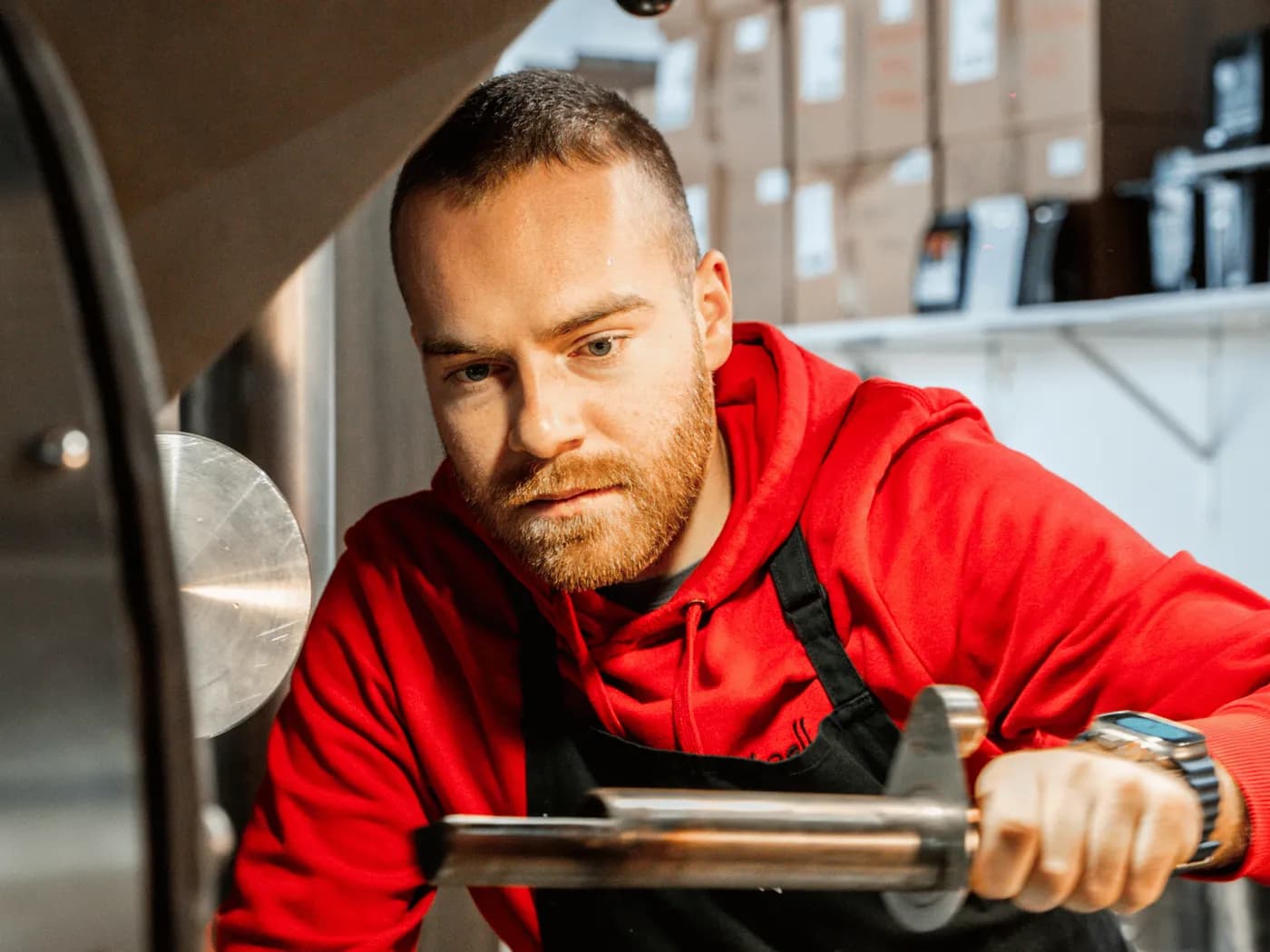
We roast coffees from across the coffee belt in our own roastery in Banská Bystrica and ship them all over Slovakia. And if you want to get more out of every cup, come try your hand at brewing in our Barista Academy.
Where to go next on the map
Click any dot to open the story of another origin country — the number in the dot tells you how many of its coffees we’re roasting right now.
What you ask us
What does coffee from Rwanda taste like?+
Delicate, clean, and elegant – the typical profile of washed Bourbon Arabica from high altitudes. Expect notes of rhubarb, citrus, black tea, and figs, and with anaerobic fermentation also tropical fruit and blackberries. Compared to Kenyan coffee, the acidity is milder and the cup silkier.
What is a washing station?+
A communal wet mill where small farmers from the surrounding hills bring their hand-picked coffee cherries. The station takes care of processing, drying, and sorting the beans, so even a farmer with a modest plot can reach top quality. Both of our Rwandan coffees – Ngamba and Humure – are named after their washing station.
What does anaerobic fermentation do to the flavor of coffee?+
The cherries ferment in sealed tanks without access to oxygen, which develops bold fruity and sweet notes in the bean that ordinary processing cannot reach. That's why our Rwanda Humure offers cane sugar, hibiscus, tropical fruit, and blackberries – a profile you wouldn't expect from a classic washed Rwanda.
Why is Rwanda called the land of a thousand hills?+
Practically the entire country is a rugged highland where one hill follows another. For coffee, that's ideal – steep slopes at high altitude, a stable equatorial climate, and cool nights that slow the ripening of the cherries. That's exactly why Rwandan coffee ranks among the best Africa has to offer.