Peru: The Quiet Champion of Organic Coffee
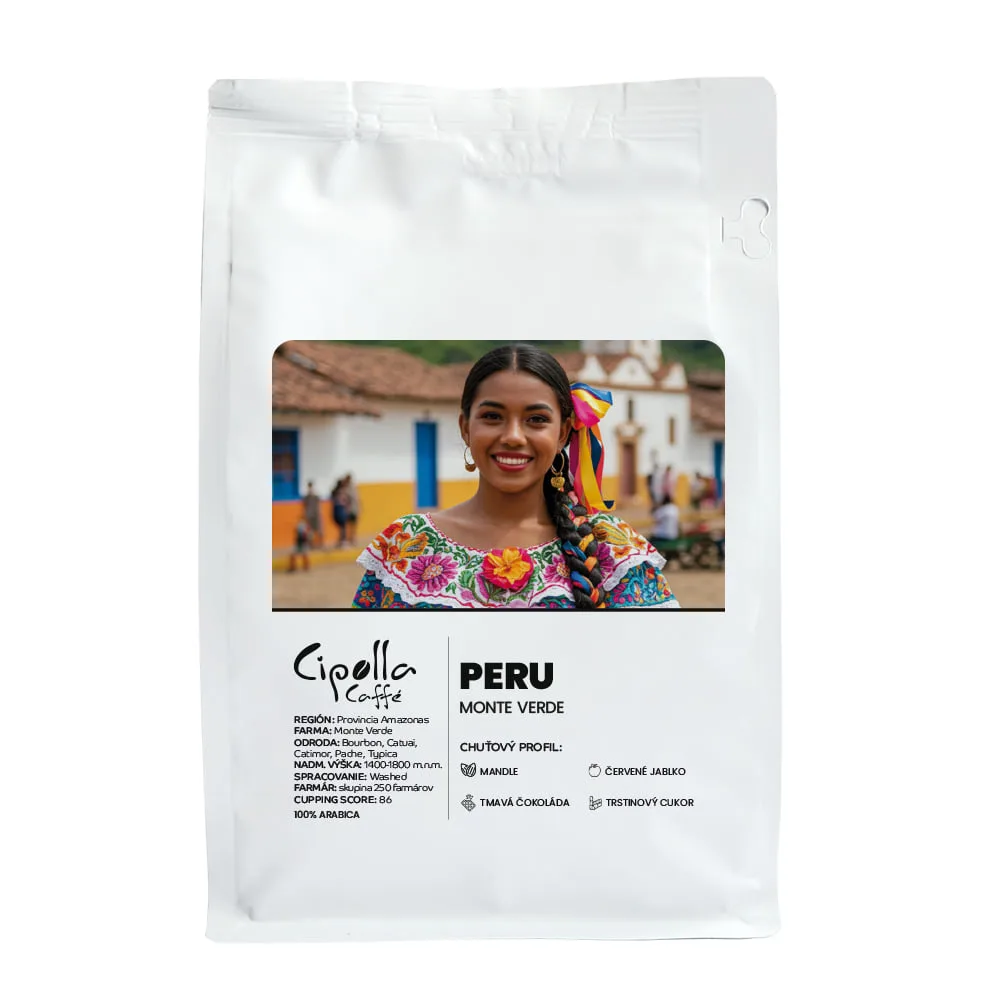
Peruvian coffee long stood in the shadow of its more famous neighbors; today it ranks among the most interesting origins of South America. Our Monte Verde coffee is grown by a group of around 250 farmers in the remote Amazonas province in the Andes — it is washed, sweet, and scored 86 out of 100 points at cupping.
The coffee belt · Peru
Expect almonds, dark chocolate, and cane sugar in a cup of Peruvian coffee, complemented by a juicy note of red apple.
Monte Verde is a versatile coffee — it makes a balanced espresso as well as a sweet, clean filter. Espresso brings out the chocolate and cane sugar, while filter opens up the apple juiciness. If you're looking for one coffee for both brewing methods, Peruvian is an excellent choice.
The coffees we roast from here
What Peru tastes like
Coffee has been grown in Peru since the 18th century, but the country only stepped onto the world stage in recent decades — and in its own way. While other countries built on volume, Peru became one of the world's largest producers of certified organic and fair-trade coffee. Most of the harvest is grown by smallholder farmers on plots of just a few hectares, often organized in cooperatives that help them with processing and export. Coffee from Peru is thus, by its very nature, a coffee of small farms rather than large plantations.
Peruvian coffee grows on the eastern slopes of the Andes, where the mountains descend into the Amazon rainforest. High altitude, morning mists, and cool nights slow the ripening of the cherries, giving the beans density and sweetness. Our Monte Verde ripens at 1,400 to 1,800 m above sea level in the Amazonas province in the north of the country — in remote mountain valleys where the fields are worked by hand and the cherries are picked gradually as they ripen. It is precisely the remoteness of these valleys that helps preserve the traditional, slow way of farming.
In flavor, Peruvian coffee sits between sweet South American classics and the cleaner, more delicate profile of high altitudes. Typical notes are nuts, chocolate, and cane sugar, complemented by gentle fruit — in the case of our Monte Verde, red apple. The acidity is mild and the body medium, so coffee beans from Peru come across as approachable, yet never flat. Monte Verde scored 86 out of 100 points at cupping, placing it among specialty coffees with an above-average rating.
The washed method dominates in Peru: after harvest, the beans ferment in water, and the result is a clean, transparent profile with clearly separated notes. Monte Verde is also a showcase of the diversity of Peruvian farms — one coffee brings together the Bourbon, Catuai, Catimor, Pache, and Typica varieties, grown jointly by a group of around 250 farmers. Each family tends a small patch of hillside, picks the cherries by hand, and delivers them for shared processing, which gives the final coffee a unified, balanced character.
Many Peruvian coffee farms lie so remote that the harvest travels to the nearest road on the backs of mules — while farming in the Peruvian Andes carries on a tradition reaching all the way back to the time of the Incas.
Regions and farms
In our lineup, Peru is represented by the Amazonas province in the north of the country — a mountainous area where the Andes meet the Amazon rainforest and coffee grows in remote valleys at 1,400 to 1,800 m above sea level. This is where our washed Monte Verde coffee comes from, backed by a group of around 250 small farmers.
Monte Verde
- Farmer
- A group of 250 farmers
- Variety
- Bourbon, Catuai, Catimor, Pache, Typica
- Altitude
- 1,400–1,800 m a.s.l.
- Processing
- Washed
- Cupping score
- 86 / 100
Behind Monte Verde stands a group of roughly 250 farmers from the Amazonas province in the Peruvian Andes. The coffee is grown mostly on small family farms in remote mountain valleys — Peru is one of the world's largest producers of organic and fair trade coffee.
From green bean to your cup
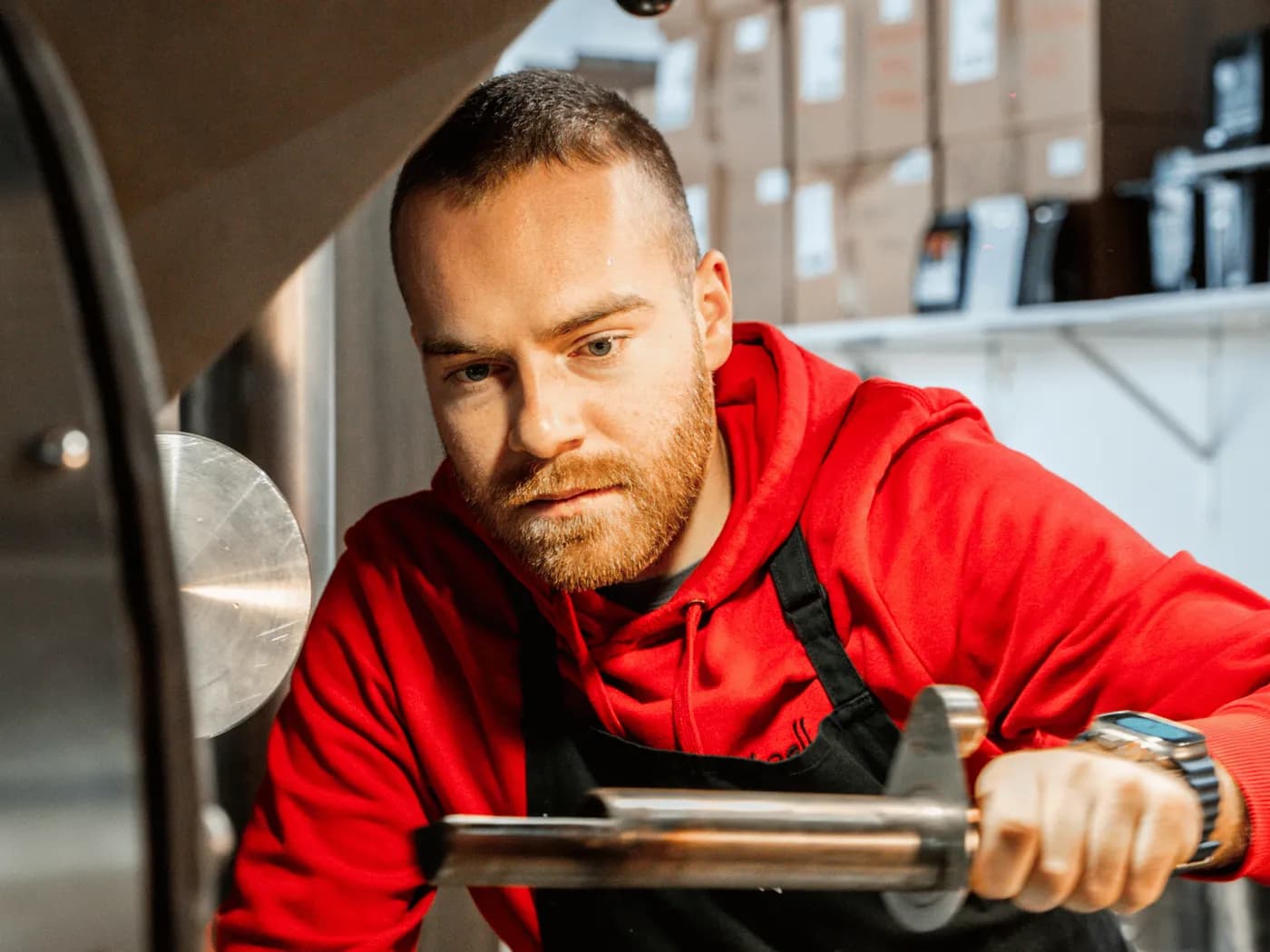
We roast coffees from across the coffee belt in our own roastery in Banská Bystrica and ship them all over Slovakia. And if you want to get more out of every cup, come try your hand at brewing in our Barista Academy.
Where to go next on the map
Click any dot to open the story of another origin country — the number in the dot tells you how many of its coffees we’re roasting right now.
What you ask us
What does coffee from Peru taste like?+
Sweet and balanced, with notes of nuts, chocolate, and cane sugar and a mild acidity. Peruvian coffees from the high altitudes of the Andes tend to be clean and approachable. Our Monte Verde scored 86 out of 100 points at cupping.
What makes the Amazonas province special?+
It lies in northern Peru, where the Andes meet the Amazon rainforest. Coffee grows here in remote mountain valleys at 1,400 to 1,800 m above sea level, on small family farms. Our Monte Verde is grown here jointly by a group of around 250 farmers.
Is Peruvian coffee organic?+
Peru is among the world's largest producers of certified organic and fair-trade coffee — smallholder farmers here often work without industrial fertilizers simply by tradition. Our Monte Verde comes from small family farms in the Amazonas province.
Is Peruvian coffee good for both espresso and filter?+
Yes, we recommend Monte Verde for both brewing methods. In espresso it gives a chocolate-caramel base with a full body; in filter, a clean, sweet cup with a note of red apple. It's an ideal coffee for households that switch between brewing methods.